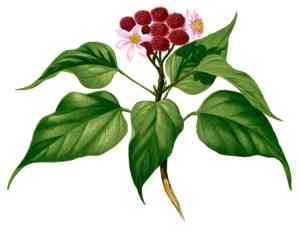
Pink rock-rose (Cistus creticus)
Also known as: European rockrose, Grey cistus, Cretan rock rose, Hoary rock rose
The dense evergreen shrub you're asking about is Cistus creticus, known as the Pink Rock-Rose. Native to Greece, it features pink flowers that look similar to wild roses but are not botanically related. This plant is also popular in gardens, especially in its hybrid forms.
In This Article
Attributes of Pink rock-rose
Lifespan
Perennial
Plant Type
Shrub
Plant Height
1 m
Spread
1 m
Leaf Color
Green
Flower Size
4.5 cm to 5 cm
Flower Color
Pink Purple
Images of Pink rock-rose
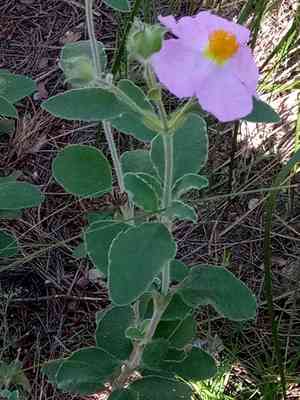
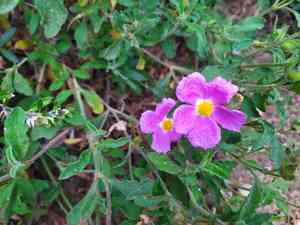
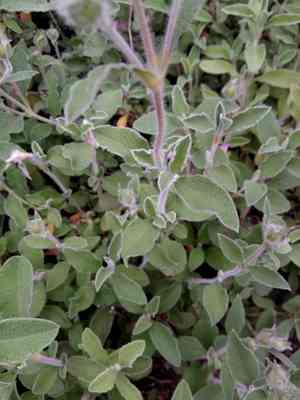
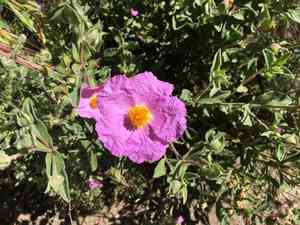
Quickly Identify Pink rock-rose
1
Cistus creticus can be identified by its wrinkled, oval leaves that are green and sticky due to their resinous coating. The flowers are notable for their crumpled-looking petals, which are pink to magenta, with a yellow center. The shrub typically has a bushy appearance and can grow up to 1 meter in height.
Scientific Classification of Pink rock-rose
Phylum
Vascular plants
Class
Dicotyledons
Order
Malvales
Family
Rock roses
Genus
Rock rose
Species
Pink rock-rose
Planting and Growing of Pink rock-rose
Care Difficulty
Easy
Watering Schedule
Every 2 days
Sunlight Requirements
Full sun
Sunshine Duration
6-12 hours
Ideal Temperature
59-86℉
Soil Type
Potting Mix, Peat Mix
Soil pH
6.5-7.5
Fertilizer Type
Balanced
Pruning Season
Spring, Summer
Pruning Area
Branches, Leaves
Pruning Frequency
2 times a year
Repotting Season
Spring
Pot Type
Plastic, Ceramic
 How to Water Pink rock-rose?
When watering Cistus creticus, aim for about 500 ml each time. It's essential to let the soil dry out between waterings to mimic its natural arid environment. The soil should feel dry to the touch before your next watering session.
What are the symptoms of an underwatered Pink rock-rose?
›
What should I do if my Pink rock-rose is not getting enough water?
›
What are the symptoms of an overwatered Pink rock-rose?
›
How to save an overwatered Pink rock-rose?
›
 What Are the Sunlight Requirements for Pink rock-rose?
Cistus creticus flourishes under full sun, requiring consistent daylight hours for optimal growth. Ample sun exposure ensures vibrant, prolific flowering, fortifying against environmental stressors.
More About Sunlight Requirements Techniques→
How much sun does Cistus creticus need daily?
›
What if my location has less sun?
›
What are the benefits of full sun exposure?
›
 What Is the Ideal Temperature Range for Pink rock-rose?
What is the ideal temperature range for Cistus creticus cultivation? Cistus creticus thrives best in a moderate temperature range from 59°F to 86°F. These conditions mimic its native Mediterranean climate, facilitating optimal growth, flowering, and resilience. Maintaining these temperatures encourages healthy physiological processes and supports the plant's metabolic activities.
 What Soil is Best for Pink rock-rose?
Cistus creticus thrives in well-drained soils that prevent root rot and allow for proper air exchange. This enhances the plant's growth by ensuring that roots have access to both water and oxygen without becoming waterlogged. Surprisingly, nutrient-poor soils are ideal for Cistus creticus, as richer soils can lead to excessive vegetative growth at the expense of flowers. This ensures a more balanced and floriferous plant. Cistus creticus can tolerate slightly alkaline conditions, which is beneficial because it reflects its native Mediterranean environment, allowing the plant to absorb essential nutrients effectively.
 How to Fertilize Pink rock-rose?
Cistus creticus, also known as the Rockrose, does not require heavy fertilization due to its native growth in nutrient-poor soils. When fertilizing, opt for a balanced, low-concentration fertilizer at half the usual recommended strength for flowering plants. This ensures the plant receives adequate nutrients without risking overfertilization.
 How to Prune Pink rock-rose?
Begin by selectively cutting back older, woody stems to allow for new, vigorous growth. This opens the shrub up, increasing air circulation and reducing the risk of fungal diseases. Aim to remove any dead or damaged branches as well, ensuring the plant redirects energy to healthier sections. Remember to sterilize your pruning tools between cuts to prevent disease spread. Shape the shrub by trimming the outer stems to maintain its desired form. Focus on enhancing the natural mounded appearance of Cistus creticus. Always cut at a 45-degree angle just above a leaf node or bud to encourage branching. This meticulous approach will result in a fuller, more balanced appearance that complements the garden landscape. If the plant becomes too tall or leggy, reduce its height by cutting back the central leaders. Do this sparingly and with a mind toward maintaining the plant’s structural integrity. Trim back no more than a third of the total plant height at any one time to avoid plant shock while promoting regrowth from the base for a lush, healthy bush.
More About Pruning Techniques→
 How to Propagate Pink rock-rose plant?
1
Sow seeds in a seed tray filled with seed-starting mix. Lightly cover them with soil and keep the tray in a warm, sunny location. Water gently to keep the soil moist but not waterlogged.
2
Select a healthy, non-flowering stem and cut a 4-6 inch section. Remove the lower leaves and dip the cut end in rooting hormone before placing it in a pot with a well-draining mix.
3
Once seedlings or cuttings develop a strong root system, transplant them into individual pots. Gradually acclimate them to outdoor conditions before planting them in the garden.
 How to Repot Pink rock-rose plant?
1
Cistus creticus should be repotted when you observe the roots circling the pot, indicating overcrowding, or when growth appears stunted, signaling that the plant might benefit from fresh soil and space. Spring and autumn are ideal, as these periods allow for optimal adjustment and growth.
2
Select a pot that is slightly larger than the current one, with good drainage holes to prevent waterlogging. Terracotta pots are ideal as they allow for air circulation, which is beneficial for root health. The added weight also helps in stabilizing the plant.
3
Choose a well-draining soil mix that is slightly acidic, which mimics the natural habitat of Cistus creticus. This ensures that water moves efficiently through the soil, reducing the risk of root rot, and provides an ideal environment for nutrient uptake.



