How to Prune Roman chamomile?
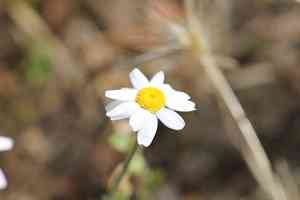
Renowned for its fragrant leaves and daisy-like blossoms, roman chamomile flourishes with consistent pruning. Essential methods involve deadheading faded flowers to stimulate additional blooms, shortening elongated stalks for more compact development, and eliminating withered or compromised leaves to preserve the plant's well-being. Trimming can be performed throughout the year, ensuring not to excessively thin the specimen. Advantages of pruning this perennial encompass a neater look, improved robustness, and extended flowering durations.
What Are the Benefits of Pruning Roman Chamomile?
What Are the Benefits of Pruning Roman Chamomile?
Trimming roman chamomile encourages more abundant blooms, promotes a sturdy growth habit, and helps maintain its compact shape. Regular cutting back prevents excessive growth, boosts plant vigor, and improves its garden aesthetic.
What Is the Best Time for Pruning Roman Chamomile?
What Is the Best Time for Pruning Roman Chamomile?
Pruning in spring coincides with roman chamomile's post-dormancy growth initiation, fostering healthy new development and maintaining its form. Early autumn pruning is also advantageous, preparing roman chamomile for winter by removing dead or damaged foliage without stimulating new growth vulnerable to cold. Both periods allow the plant to recover effectively, ensuring better health and flower production.
What Tools Do I Need to Prune Roman Chamomile?
Hand Pruners
Ideal for precise cuts on roman chamomile's small stems. Sharp, clean hand pruners enable gardeners to easily deadhead flowers or trim small sections without harming the plant.
Scissors or Snips
Perfect for clipping delicate stems and foliage of roman chamomile. Scissors can be used to selectively remove dead or yellowed leaves with minimal impact on surrounding growth.
Pruning Shears
These are useful for cutting back larger sections of roman chamomile when a more significant trim is needed to shape the plant or stimulate new growth, especially at the end of the growing season.
How to Prune Roman Chamomile
Identify
Examine roman chamomile thoroughly to locate diseased leaves, dead or unhealthy branches, and faded flowers. Look for any signs of discoloration, unusual spots, or wilting.
Disinfect
Before pruning roman chamomile, sanitize pruning shears with alcohol or a bleach solution to prevent disease transmission to healthy plant parts.
Prune Leaves
Using disinfected shears, carefully remove diseased and withered leaves from roman chamomile. Make clean cuts at the base of affected leaves to avoid damaging healthy sections.
Prune Branches
Remove dead and diseased branches from roman chamomile by cutting just above a healthy leaf node or bud to encourage new growth. Ensure you do not cut into healthy tissue.
Prune Flowers
Remove faded flowers of roman chamomile by pinching them off or using shears to cut just below the flower head, which will help promote further blooming and maintain the plant's appearance.
Common Pruning Mistakes with Roman Chamomile
Over-Pruning
Cutting back roman chamomile too severely can stress the plant and impede its growth. It's vital not to remove more than one-third of the plant at a time.
Improper Cutting Technique
Using dull or dirty cutting tools can damage roman chamomile's stems and leaves, making the plant more vulnerable to disease. Always use sharp, clean shears or scissors.
Tearing Stems
Ripping or tearing roman chamomile stems instead of making clean cuts can lead to uneven growth and potential infection sites on the plant.
Removal Of Healthy Foliage
Unnecessarily removing healthy leaves and flowers from roman chamomile reduces its photosynthetic capacity and can limit its growth and bloom production.
Neglecting Deadheading
Failing to remove spent flowers from roman chamomile prevents the plant from producing new blooms and can lead to self-seeding, which may not always be desired.
Common Pruning Tips for Roman Chamomile
Selective Pruning
Carefully choose which stems and flowers to prune on roman chamomile, cutting back to a leaf node to encourage robust new growth.
Clean Equipment
Before pruning roman chamomile, sterilize your tools with alcohol or a bleach solution to prevent the spread of diseases between plants.
Timing Of Pruning
Although the seasonal timing of pruning is not to be included, schedule your pruning sessions for roman chamomile to follow significant blooming periods to shape the plant and encourage further growth.
Deadheading
Regularly remove faded blooms from roman chamomile to stimulate the plant to produce more flowers and maintain a neat appearance.
Pinch-Pruning
Pinch-pruning can be especially beneficial for roman chamomile, promoting bushier growth and preventing legginess, particularly in young plants or after the main harvest.



