Enhancing Your Garden Design with the Roman chamomile Plant: A Landscaping Guide
1
Roman chamomile requires minimal upkeep, making it an easy option for gardeners.
2
Adding Roman chamomile can enhance the variety of life in your garden.
3
Roman chamomile offers continuous aesthetic appeal with its appealing leaves and blooms.
Introducing Roman Chamomile in Landscape Design
Understanding the visual appeal of Roman chamomile
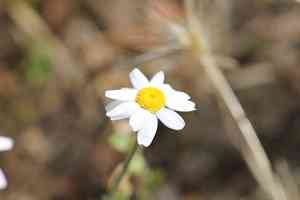
Roman chamomile's charm stems from its delicate white and yellow blossoms, which impart grace and serenity to any garden. Its feathery, fern-like foliage further contributes to a soft, abundant look. This plant excels as a ground cover, forming a lush carpet that brightens garden paths, borders, and open areas within a landscape.
The general adaptability of Roman chamomile to diverse environments
Roman chamomile exhibits remarkable flexibility across various garden conditions, making it a versatile asset for any landscaping endeavor. It thrives in both ample sunlight and partial shade, and can flourish in a range of soil types, from sandy to well-drained loamy. This adaptability allows Roman chamomile to integrate seamlessly into different garden aesthetics, whether classic or modern.
Why Select Roman Chamomile for Your Landscaping Needs?
The low-maintenance nature of Roman chamomile
A primary reason gardeners favor Roman chamomile is its minimal upkeep. This robust plant requires little watering once established, reducing the need for constant irrigation. It also resists pests and diseases, meaning less time and resources dedicated to plant care. Furthermore, Roman chamomile self-seeds and spreads without becoming invasive, ensuring a verdant, dense covering without dominating your garden.
How Roman chamomile enhances biodiversity
Integrating Roman chamomile into your garden can significantly boost local ecological diversity. Its flowers attract beneficial insects like bees, butterflies, and hoverflies, which are vital for pollination. Concurrently, its dense foliage offers shelter and habitat for small creatures, fostering a balanced and flourishing ecosystem.
The year-round visual interest provided by Roman chamomile
Roman chamomile offers continuous visual appeal, with its evergreen foliage remaining vibrant even during colder months. The plant's ability to produce flowers from late spring through summer ensures ongoing bursts of color. Whether used as a ground cover, in borders, or alongside other perennials, Roman chamomile retains its decorative charm throughout the entire year.
Integrating Roman Chamomile into Various Landscape Themes
Utilizing Roman chamomile in traditional garden styles
Roman chamomile fits perfectly into traditional garden designs, such as cottage gardens, where its cheerful blooms add a nostalgic allure. It can be employed to line walkways or create soft edges around flowerbeds, contributing to the informal, textured appearance characteristic of these gardens.
Contemporary landscape designs featuring Roman chamomile
In modern landscapes, Roman chamomile can provide a striking contrast against sleek, hardscaped elements. Its greenery softens the lines of pathways and patios, offering a natural balance to the often minimalist and geometric approach of contemporary design. It can be planted in clusters or used to fill spaces between larger structural plants.
Combining Roman chamomile with other plants for a unified look
Roman chamomile pairs well with a variety of plants, enhancing the overall coherence of your garden. Combine it with taller, architectural plants like ornamental grasses or hostas for a layered effect. It also blends effectively with other perennials such as lavender and yarrow, creating a diverse and visually engaging landscape.
Practical Advice for Planting and Cultivating Roman Chamomile
Optimal soil types and locations for Roman chamomile
Roman chamomile thrives in well-drained soils with a neutral to slightly acidic pH. It prefers full sun but can endure partial shade, making it a flexible option for various garden spots. When planting, ensure the soil is prepared with ample organic matter to aid in drainage and nutrient availability.
Pruning and seasonal care recommendations
For optimal results, lightly trim Roman chamomile after its primary flowering period to encourage denser growth and continuous blooming. Regularly remove spent flowers to maintain a neat appearance. During dry spells, water moderately, but avoid saturating the soil. In colder climates, apply a light mulch to protect the roots over winter.
Creative Applications for Roman Chamomile in Your Yard
Designing pathways with Roman chamomile
Create charming walkways by planting Roman chamomile along garden paths or between stepping stones. Its low, spreading habit will form a lush green carpet that is not only attractive but also pleasant to walk on. This arrangement can be particularly delightful in cottage or woodland-themed gardens.
Unique uses of Roman chamomile in outdoor living spaces
Incorporate Roman chamomile into your outdoor living areas by planting it around patios, decks, or seating zones. Its soothing fragrance enhances the ambiance, making your outdoor spaces more inviting and enjoyable. Additionally, its resilience makes it a durable choice for high-traffic areas.
Decorative and practical roles of Roman chamomile
Roman chamomile fulfills both decorative and functional roles in the garden. Use it as a ground cover to naturally suppress weeds, reducing the need for chemical herbicides. Its aesthetic appeal, combined with its practicality, makes Roman chamomile an excellent addition to edible gardens, ornamental borders, and mixed plantings.



