How to Prune Spineless hornwort?
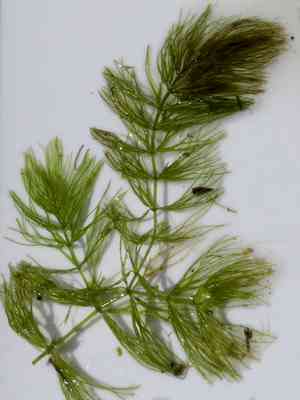
A fully aquatic plant, hornwort features delicate, feathery foliage and flourishes in freshwater environments. Trim overgrown sections during spring or summer to ensure adequate light and minimize detritus, thereby improving water conditions and development. This trimming entails reducing overly long stems to encourage thicker growth beneath the water's surface. Such maintenance helps manage its proliferation and creates an ideal environment for aquatic wildlife.
What Are the Benefits of Pruning Spineless Hornwort?
What Are the Benefits of Pruning Spineless Hornwort?
Trimming spineless hornwort encourages robust development and helps maintain its form. Consistent cutting ensures dense, lush foliage and prevents excessive growth, improving both vitality and appearance in aquatic settings.
What Is the Best Time for Pruning Spineless Hornwort?
What Is the Best Time for Pruning Spineless Hornwort?
Trimming spineless hornwort during Spring and Summer coincides with its active growth phase. This aquatic plant experiences vigorous development due to warmer temperatures and increased light, which supports rapid recovery and regrowth after pruning. Pruning in Spring helps manage and shape the density of spineless hornwort, ensuring it doesn't overcrowd the water, which allows for better light penetration and reduces the risk of algal blooms. During Summer, regular trimming helps maintain water quality and promotes healthy, balanced growth. Additionally, pruning in these seasons helps prevent the decay of organic material, which could negatively impact aquatic environments.
What Tools Do I Need to Prune Spineless Hornwort?
Aquatic Plant Scissors
These specialized shears are perfect for maintaining 'spineless hornwort' in aquariums or ponds, allowing for accurate cuts to manage its growth without disrupting the aquatic habitat.
Long-handled Grabbers
Used for reaching into deeper water, these instruments assist in safely trimming spineless hornwort without needing to enter the water, thereby preserving the plant's structural integrity and its surrounding ecosystem.
How to Prune Spineless Hornwort
Identify
Locate and separate areas of spineless hornwort that show diseased or withered leaves, and diseased stems, ensuring a clear distinction between healthy and unhealthy parts.
Sanitation
Sterilize your pruning tools with a 10% bleach solution or rubbing alcohol before starting and between cuts to prevent the spread of disease.
Cutting technique
Using sharp scissors or aquatic plant shears, make clean cuts to remove diseased and withered leaves along with any visibly identifiable diseased stems of spineless hornwort. Cut close to the base but be careful not to harm the central stem or adjacent healthy leaves and stems.
Disposal
Promptly remove all trimmed material from the water to prevent decomposition and potential water quality issues. Dispose of the diseased material responsibly to prevent the spread of pathogens.
Monitoring
Regularly observe spineless hornwort after pruning for any signs of further disease or stress. Maintain balanced nutrient levels and adequate light to support healthy regrowth and resilience against future disease.
Common Pruning Mistakes with Spineless Hornwort
Over pruning
A common error is removing too much foliage from spineless hornwort, which can hinder its ability to photosynthesize effectively. This excessive trimming stresses spineless hornwort, leading to weakened growth and reduced vitality.
Incorrect technique
Beginner gardeners often make the mistake of tearing or pulling at the stems of spineless hornwort instead of making clean cuts. This can damage the plant's delicate tissues and may create entry points for pests or diseases.
Neglecting health checks
It is crucial to inspect spineless hornwort for signs of disease or pest infestation before pruning. Incorrectly trimming healthy parts while leaving affected areas can spread problems further throughout the plant.
Common Pruning Tips for Spineless Hornwort
Clean cuts
Utilize sharp, sterile shears or scissors to make neat, precise cuts on spineless hornwort. This minimizes damage to plant tissues and promotes faster healing and recovery.
Selective pruning
Focus on removing only the dead or overgrown sections of spineless hornwort to maintain plant health and encourage new growth. This method helps preserve the plant's balance and natural form while fostering a healthier environment.
Post-pruning care
After pruning, provide spineless hornwort with sufficient water and, if applicable, a balanced fertilization suitable for aquatic plants. This care supports recovery and revitalizes the plant for continued healthy growth and development.



