The Spineless hornwort Plant Advantage: Maximizing Home and Office Appeal and Wellness
1
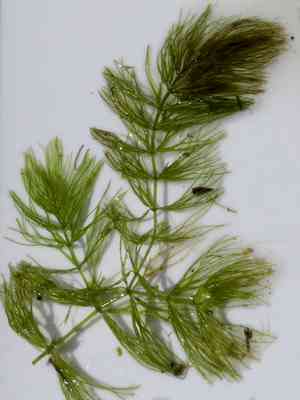
Spineless hornwort acts as an efficient natural water clarifier, aiding in the preservation of a stable aquatic environment.
2
This water plant offers a dwelling and reproductive area for diverse aquatic organisms.
3
Spineless hornwort assists in managing algal proliferation by contending for available nutrients in the water.
How Does Spineless Hornwort Purify Water Effectively?
Inherent Filtration Capabilities
Spineless hornwort possesses remarkable inherent filtration capabilities that aid in purifying water in ponds, lakes, and aquariums. Its dense foliage captures suspended particles, debris, and sediments, which can otherwise cloud the water and impede the growth of other aquatic life. By functioning as a biological filtration system, Spineless hornwort significantly contributes to maintaining clean and clear water conditions.
Nutrient Uptake
Spineless hornwort assists in regulating and balancing nutrient levels in the water by absorbing surplus nutrients like nitrogen and phosphorus. These elements are vital for plant growth but in high concentrations can lead to the proliferation of harmful algal blooms. By consuming these nutrients, Spineless hornwort competes with algae, effectively reducing their growth and prevalence. This competition is crucial in preventing the eutrophication of water bodies and preserving a healthy aquatic environment.
How Does Spineless Hornwort Support Aquatic Biodiversity?
Providing Shelter and Breeding Areas
Spineless hornwort plays a crucial role in supporting aquatic biodiversity by offering shelter and breeding grounds for various aquatic species. The plant's dense, bushy structure provides refuge and protection for small fish, insects, and invertebrates, creating a secure environment where they can flourish. Its presence in aquatic ecosystems can enhance overall biodiversity, fostering a balanced and resilient ecosystem.
Oxygen Generation
Like all photosynthetic plants, Spineless hornwort generates oxygen during the process of photosynthesis. This oxygenation is vital for the survival of aquatic fauna. By releasing oxygen into the water, Spineless hornwort helps maintain adequate dissolved oxygen levels, which are essential for the respiration of fish and other aquatic organisms. This oxygen production is particularly beneficial in artificial water bodies like aquariums and garden ponds, where natural sources of oxygen may be limited.
Can Spineless Hornwort Aid in Algae Control?
Competing for Resources
One of the primary ways Spineless hornwort assists in algae control is by competing for the same nutrients required by algae to thrive. By absorbing significant amounts of nitrogen, phosphorus, and other inorganic nutrients from the water, Spineless hornwort deprives algae of their essential resources. This competition prevents the explosive growth of algae, which can otherwise lead to unsightly blooms and negative impacts on water quality.
Shading Effect
Spineless hornwort can also create a shading effect in the water, limiting the amount of sunlight that penetrates the water's surface. Since algae require ample sunlight for photosynthesis, shading by Spineless hornwort's foliage inhibits their growth. This natural and non-toxic method of controlling algae is advantageous for maintaining aesthetically pleasing and healthy aquatic environments without relying on chemical algaecides.
What Are Some Practical Uses of Spineless Hornwort?
Application in Aquariums
Spineless hornwort is a popular choice for aquariums due to its ability to improve water quality and provide a more natural habitat for fish. Its vibrant green appearance adds aesthetic value, while its environmental benefits offer a healthier environment for aquarium inhabitants. Regular maintenance and control of Spineless hornwort growth ensure a balanced and thriving aquarium system.
Pond Management
In larger water bodies such as ponds, Spineless hornwort is utilized for its impressive ability to purify and maintain water clarity. Its introduction can help manage nutrient levels, reduce the risk of algae blooms, and provide a habitat for a variety of pond-dwelling creatures. Pond managers often employ Spineless hornwort as part of an integrated approach to sustaining a balanced and healthy pond ecosystem.



