How to Prune Hornwort?
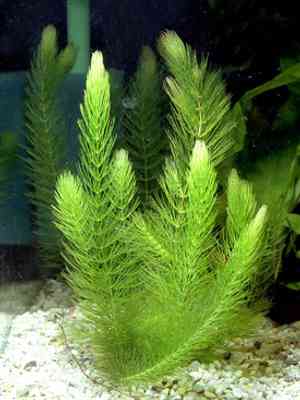
This aquatic plant, which grows underwater, multiplies quickly and doesn't need to be cut back to stimulate its development. For hornwort, trimming can be performed in the spring or summer to preserve the visual appeal of the tank or pond and manage its expansion. Cut it back with shears or simply by hand, getting rid of any extra or lifeless leaves. Pruning stops the formation of thick clusters that could reduce the oxygen content in the water. Consistently taking out older stalks improves light access and water movement, which benefits the plant's environment.
Advantages of Trimming Hornwort
Advantages of Trimming Hornwort
Trimming hornwort promotes robust development by eliminating dead or overly dense foliage, which enhances light and air circulation, fostering a more vibrant plant. It also aids in preserving a desired form and size, keeping aquascapes visually appealing.
Optimal Period for Pruning Hornwort
Optimal Period for Pruning Hornwort
The best times for pruning hornwort are Spring and Early Summer due to its active growth phase during these periods. Pruning in Spring allows gardeners to shape hornwort's growth before it rapidly expands in warmer weather. Early Summer trimming ensures that the plant remains manageable and doesn't shade out other aquatic species. It's crucial not to prune late in the season as hornwort prepares for dormancy and reduced trimming helps maintain ecosystem balance in overwintering months. These seasons align with hornwort's natural growth cycle while promoting its health and ensuring it does not overtake the aquatic environment.
Necessary Tools for Pruning Hornwort
Aquatic plant scissors
Since hornwort is an aquatic plant, specialized scissors offer precision and ease when cutting underwater. Sharp, long-handled aquatic plant scissors enable gardeners to reach into the water and make clean cuts without unnecessarily disturbing the plant.
Aquarium tweezers or tongs
These are excellent for carefully removing dead or unwanted hornwort parts, providing control and minimal disruption to both the plant and its aquatic environment.
Maintenance razor scraper
A razor scraper is useful for removing any algae from surfaces where hornwort might be growing. It ensures a clean environment for the plant after pruning.
How to Prune Hornwort
Diagnose
Examine hornwort closely in the aquarium to identify diseased leaves, withered leaves, and diseased stems that require trimming.
Disinfect
Before trimming, sanitize pruning tools using a bleach solution or isopropyl alcohol to prevent disease transmission.
Trim With Technique
Carefully remove the identified diseased and withered leaves and diseased stems using scissors or pruning shears, making cuts close to the base of hornwort to encourage healthy regrowth.
Remove Debris
Gently extract all trimmed pieces from the aquarium to prevent decay and maintain water quality.
Monitor Aftercare
Monitor hornwort after pruning to ensure healthy regrowth, and adjust water conditions if necessary to promote recovery.
Common Pruning Errors with Hornwort
Over Pruning
Removing too much of hornwort at once can stress the plant, as it may remove too many photosynthetic elements that the plant needs for its growth and health.
Improper Technique
Cutting hornwort with dull or dirty tools can damage the stems, potentially introducing disease and inhibiting healthy regrowth. Pruning should be done with sharp, clean tools.
Pruning Healthy Growth
Sometimes, even experienced gardeners may unintentionally prune the healthy portions of hornwort that do not require trimming. It's important to focus on removing only the dead or overgrown parts to maintain plant health.
Ignoring Plant Structure
Not considering the way hornwort grows can lead to unbalanced pruning. Gardeners should understand hornwort's structure to make informed decisions on where to cut.
General Pruning Advice for Hornwort
Selective Trimming
For hornwort, selectively remove only the dense or dead parts of the plant. This helps to maintain water quality by preventing decay and promotes light penetration and circulation.
Regular Maintenance
Perform regular maintenance on hornwort to prevent overgrowth. This encourages new growth, keeps the plant looking its best, and makes subsequent pruning sessions easier.
Clean Tools
Always use clean, sharp scissors or pruning shears for hornwort to make clean cuts and reduce the risk of spreading pathogens.
Moderate Pruning
Only prune up to one-third of hornwort at a time to prevent shocking the plant and to maintain a healthy amount of foliage for photosynthesis.



