How to Propagate Hornwort?
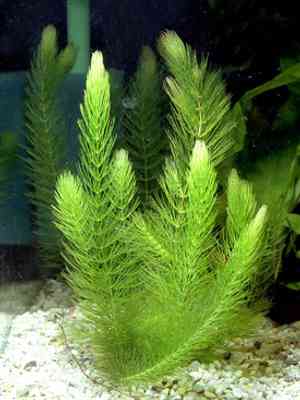
Ceratophyllum demersum, a highly adaptable aquatic flora, is commonly reproduced via seeding. The stems frequently undergo natural fragmentation, enabling detached segments to sprout roots and mature into distinct organisms. For effective cultivation, horticulturists can gather small fragments or cuttings and embed them in appropriate aquatic growing media. These cuttings readily take root and become established, frequently forming thick clusters. Maintaining optimal water parameters, including suitable pH and temperature, is vital for vigorous development. Gentle handling of the plant is imperative to prevent harm to its delicate stems during the propagation procedure.
When Is the Optimal Time to Propagate Hornwort?
Propagation Method
Seeding
Propagation Period
Spring
What Equipment Is Used in Hornwort Propagation?
Aquarium or similar water-holding container
These vessels serve as the primary growing environment for hornwort. They must be large enough to support growth and simplify propagation. The container material should be inert and safe for aquatic life. During propagation, hornwort pieces can simply be placed in the water where they naturally establish roots and develop. This method utilizes the plant's aquatic nature, ensuring ample hydration and support.
Water conditioner
Chlorine and heavy metals frequently found in tap water can harm hornwort. A water conditioner neutralizes these detrimental components, making the water safe for propagation. Proper water conditioning is vital for the overall health and successful development of new plant cuttings by creating an ideal aquatic environment.
Fine mesh net
This tool is used for handling and gently relocating hornwort segments within the water container without causing damage. The fine mesh design minimizes harm to delicate foliage and stems, which is crucial for ensuring the plant's viability and health during propagation. Additionally, the net can be used to remove any accumulated debris, maintaining a clean environment conducive to growth.
How to Propagate Hornwort?
Propagation Method
Simple
How to Care for Your Newly Propagated Hornwort?
How to Care for Your Newly Propagated Hornwort?
Maintain pristine water conditions, perform routine water changes, and monitor nutrient levels to prevent algal blooms. Regulate direct sunlight exposure to avoid overheating and provide sufficient nutrients either through the water or via aquatic plant fertilizers to support hornwort's health and development.
Common Errors to Avoid When Propagating Hornwort
Neglecting Water Quality
Using tap water with high chlorine content can harm hornwort's delicate leaves and impede root development, as hornwort can be sensitive to water additives and pollutants.
Overly Dense Planting
Placing too many hornwort stems in a confined space can restrict access to light and nutrients, leading to weaker growth and increased susceptibility to disease.
Ignoring Pruning
Failing to regularly prune hornwort can result in thick mats that block light and hinder new growth, which can also impact water quality by reducing oxygen levels.
Tips For Propagating Hornwort
Use Dechlorinated Water
For healthy propagation, ensure hornwort is placed in fresh, dechlorinated water or aged tap water to prevent chlorine toxicity.
Appropriate Spacing
Distribute hornwort cuttings adequately to allow sufficient light penetration and reduce competition for nutrients, leading to more vigorous growth.
Frequent Trimming
Regular trimming of hornwort encourages branching and increases the bushiness of plants, facilitating more cuttings for propagation and maintaining good water quality.



