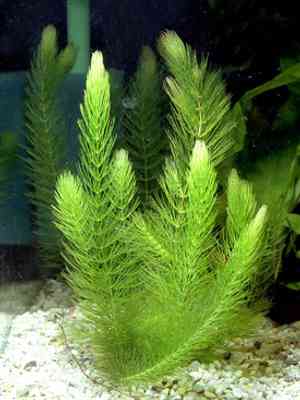
Hornwort (Ceratophyllum demersum)
Also known as: Common Coontail, Rigid hornwort
Hornwort, despite being an invasive underwater plant, offers several advantages for aquarium enthusiasts. It naturally releases compounds that can suppress algae growth, thereby enhancing water quality. Unlike many aquatic plants, hornwort doesn't require rooting in substrate, making it versatile and easy to place anywhere in the tank. Its bushy, feathery foliage creates excellent hiding spots for fry and other small aquatic creatures, offering them protection and a conducive environment for growth.
In This Article
Attributes of Hornwort
Lifespan
Perennial
Plant Type
Herb
Plant Height
10 cm
Spread
1.5 m
Leaf Color
Green
Flower Size
2 mm
Flower Color
Green White
Images of Hornwort
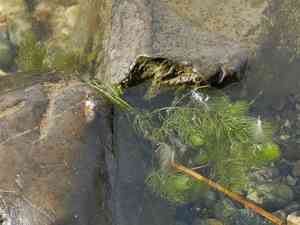
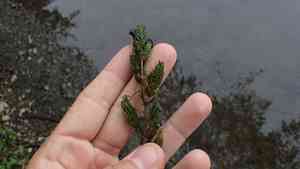
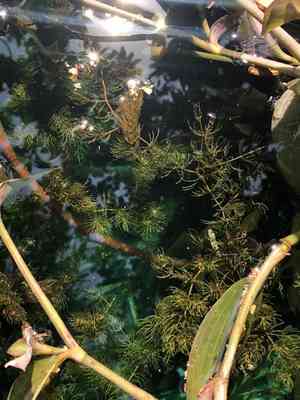
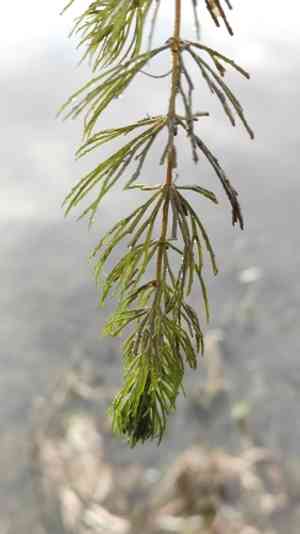
Quickly Identify Hornwort
1
Ceratophyllum demersum can be identified by its dark green, whorled leaves that appear in groups of 6-10 around the stem. The leaves are finely divided, giving them a feathery appearance. The plant lacks roots and often floats freely in the water.
Scientific Classification of Hornwort
Phylum
Vascular plants
Class
Dicotyledons
Order
Ceratophyllales
Family
Hornworts
Genus
Coontails
Species
Hornwort
Planting and Growing of Hornwort
Care Difficulty
Easy
Watering Schedule
Every 4 days
Sunlight Requirements
Full sun
Sunshine Duration
4-8 hours
Ideal Temperature
68-77℉
Soil Type
Potting Mix, Peat Mix
Soil pH
6.5-7.5
Fertilizer Type
Balanced
Pruning Season
Spring, Summer
Pruning Area
Branches, Leaves
Pruning Frequency
2 times a year
Repotting Season
Spring
Pot Type
Plastic, Ceramic
 How to Water Hornwort?
Ceratophyllum demersum is an aquatic plant that should always be submerged in water. This means it doesn't require traditional watering, but rather should be kept in environments where the water level is consistently maintained. Ensure water is clear and free of pollutants.
What are the symptoms of an underwatered Hornwort?
›
What should I do if my Hornwort is not getting enough water?
›
What are the symptoms of an overwatered Hornwort?
›
How to save an overwatered Hornwort?
›
 What Are the Sunlight Requirements for Hornwort?
Ceratophyllum demersum ideally thrives in partial to full sun, receiving approximately 4-6 hours of daylight. This light exposure facilitates strong growth, improves chlorophyll levels, and supports oxygen production essential for aquatic ecosystems.
More About Sunlight Requirements Techniques→
What is the best lighting for Ceratophyllum demersum?
›
How can I achieve ideal lighting conditions?
›
What are the effects of ideal lighting on Ceratophyllum demersum?
›
 What Is the Ideal Temperature Range for Hornwort?
For optimal growth, Ceratophyllum demersum thrives in water temperatures ranging from 68°F to 77°F. This range provides a stable and nurturing environment that supports healthy photosynthesis and nutrient uptake, promoting lush and vibrant plant growth.
 What Soil is Best for Hornwort?
Ceratophyllum demersum thrives in nutrient-rich waters which offer a bounty of minerals. This promotes healthy growth and vibrant green foliage, ensuring that the plant becomes a lush underwater spectacle. A stable soil bed, even when submerged, supports the growth of Ceratophyllum demersum. This stability ensures proper anchorage which is crucial for the plant’s ability to remain in place despite water currents. Avoiding a silt-heavy base is essential for Ceratophyllum demersum as it maintains clearer water conditions. Less silt results in increased sunlight penetration and healthier photosynthesis activity.
 How to Fertilize Hornwort?
Ceratophyllum demersum, also known as hornwort, does not require heavy fertilization. A key factor is to use a well-balanced fertilizer diluted to about one-third of its recommended strength when using liquid fertilizers. This dilution ensures that the nutrients are available in quantities that the plants can utilize without causing any nutrient burn, thereby maintaining a healthy aquatic balance.
 How to Prune Hornwort?
Start by examining the plant and decide the shape you want to achieve. Use sharp scissors or pruning shears to trim the stems just above where new leaves are growing. Be gentle to maintain the plant’s buoyancy. Look for any stems that appear brown or are no longer growing. Carefully clip these away to encourage new growth and reduce decay that could affect the rest of the plant. Ceratophyllum demersum can grow densely, which can block light to lower parts. Thin out these areas by removing entire stems to allow light and nutrients to reach all parts robustly.
More About Pruning Techniques→
 How to Propagate Hornwort plant?
1
Choose a healthy Ceratophyllum demersum plant with robust stems. This increases the chance of successful propagation as healthier stems are more likely to root effectively.
2
Using sharp scissors or pruning shears, cut a section of the stem about 6-8 inches in length. Make sure that the cutting has several leaves or leaf clusters attached.
3
Place the cut ends in a container filled with water. Ensure that at least a few nodes are submerged as these will be where new roots form.
 How to Repot Hornwort plant?
1
Ceratophyllum demersum, commonly known as hornwort, signals its need for repotting when it becomes densely crowded or its growth stunts. Observe for diminished growth, and perform repotting during warmer months to ensure optimal recovery and growth.
2
Select a shallow pot to ensure stability as hornwort is a floating plant often without roots. Choosing a stable pot prevents tipping in water currents, allowing for healthier growth and cleaner filtration if used in aquariums.
3
Use an aquatic soil blend or loose substrate to allow for better water flow and nutrient access. This light, breathable mixture supports hornwort’s unique growing conditions, keeping it buoyant and nutrient-rich, preventing mold and algae growth.



