How to Prune Bunge's hackberry?
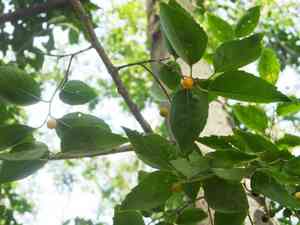
Bunge's hackberry, known for its sturdy growth and resilience, thrives with trimming from late winter to early spring, fostering robust development. Essential methods involve excising dead or ailing limbs, making fine cuts to improve light and airflow, and shaping to manage its dimensions. Prompt pruning stimulates strong growth, diminishing disease susceptibility and elevating the plant's visual charm. Always employ sanitized, keen implements to avert harm and the dissemination of pathogens.
Advantages of Trimming Bunge's Hackberry
Advantages of Trimming Bunge's Hackberry
Trimming bunge's hackberry encourages robust development, aids in maintaining a desired form, prevents congestion, boosts light penetration, enhances air movement, and lowers disease susceptibility. Consistent trimming fosters stronger branching, leading to a healthier and more visually appealing plant.
Optimal Period for Trimming Bunge's Hackberry
Optimal Period for Trimming Bunge's Hackberry
Trimming bunge's hackberry during early spring or late winter is ideal as the plant is dormant then. Pruning while inactive minimizes stress and lessens the chance of infection from diseases or pests. Furthermore, this timing allows for the removal of dead or weak branches before new growth begins in spring, promoting healthy and vigorous development. Correct timing ensures that trimming does not disrupt flowering or fruiting cycles, thereby preserving the tree's overall health and aesthetic quality.
Tools Required for Trimming Bunge's Hackberry
Hand pruners
Perfect for small branches and minor shaping due to their accuracy and control.
Lopping shears
Essential for cutting through thicker branches, typically up to 2 inches, making them adaptable for medium-sized limbs.
Pruning saw
Crucial for removing larger branches. Its curved blade cuts on the pull stroke, which lessens effort and provides cleaner cuts for the tree.
Pole pruner
Useful for reaching elevated branches without needing a ladder, ensuring safety and accessibility.
How to Trim Bunge's Hackberry
Assessment
Thoroughly inspect bunge's hackberry to identify dead or diseased branches. Mark these branches to ensure precise trimming.
Sanitization
Disinfect trimming tools with a solution of one-part bleach to nine parts water, minimizing the risk of spreading pathogens.
Removal dead
Start by cutting away dead branches close to where they meet healthy wood. Make clean cuts at a slight angle to prevent water accumulation and encourage healing.
Removal diseased
Carefully trim diseased branches back to healthy growth, making cuts several inches below the affected area to ensure all diseased tissue is removed. Immediately dispose of infected material to prevent contamination.
Cleanup
After trimming, clear debris from around bunge's hackberry to prevent pest infestations and further disease. Re-sanitize tools after use.
Common Trimming Errors with Bunge's Hackberry
Over-pruning
Removing too much foliage at once can stress bunge's hackberry and hinder its growth. This is particularly detrimental as it may weaken the plant and make it more vulnerable to diseases.
Improper cuts
Making cuts too close to the main branch can harm growth nodes, while cuts too far can leave stubs that invite disease. Both practices can impede proper healing.
Trimming at incorrect angles
Cutting branches at improper angles can prevent proper healing and create water pockets, leading to potential rot and disease.
Neglecting to trim suckers
Failing to remove suckers (small shoots emerging from the base) can divert energy from the main plant, resulting in weaker overall growth.
Using unsterilized tools
Using tools that haven't been sterilized can introduce pathogens to bunge's hackberry, increasing the risk of infection and disease.
General Trimming Advice for Bunge's Hackberry
Use sharp tools
Ensure that trimming shears and saws are sharp to make clean cuts that heal quickly. Dull tools can cause ragged cuts that are prone to disease.
Sterilize tools
Always sterilize tools before and after trimming to prevent the spread of diseases. A solution of one part bleach to nine parts water is effective.
Proper cut technique
Make cuts just outside the branch collar (the swollen area where the branch joins the trunk) and at a slight angle to promote quick healing and prevent water accumulation.
Remove dead or diseased wood
Promptly remove any dead or diseased branches to maintain plant health and direct energy to healthy growth.
Thin overlapping branches
Reduce overcrowding by thinning out branches that cross over or compete for space. This improves air circulation and light penetration, promoting overall health.
Trim selectively
Aim to remove no more than 25% of the plantâs foliage at any one time. Selective trimming helps manage growth without stressing bunge's hackberry.
Regular maintenance
Conduct regular inspections and light maintenance trimming to keep bunge's hackberry healthy and well-shaped. This prevents the need for more drastic and stressful cuts later.



