How to Transplant Bunge's hackberry?
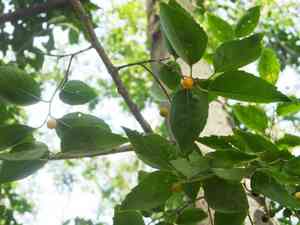
Bunge's hackberry flourishes most effectively when relocated during the initial to middle spring period, capitalizing on the cool, damp earth. Select a bright, adequately drained spot to ensure prime root establishment and general plant vitality. This schedule minimizes transplant stress and encourages robust development.
What Preparations are Necessary Before Relocating Bunge's Hackberry?
What is the Optimal Period for Relocating Bunge's Hackberry?
Bunge's hackberry should ideally be moved in the early to mid-spring. During this time, the ground is warming, promoting robust root development. Transplanting in this season minimizes shock, encourages vigorous growth, and leverages the upcoming growing period, ensuring the plant establishes well in its new spot.
What Distance Should You Maintain Between Bunge's Hackberry Plants?
Ensure a separation of 12-15 feet (3.6-4.5 meters) between each bunge's hackberry plant. This provides ample space for their growth and flourishing without becoming overcrowded.
What is the Ideal Soil Mixture for Bunge's Hackberry Relocation?
Utilize well-drained, loamy soil for bunge's hackberry. Incorporate compost or a balanced base fertilizer to enrich the soil and supply vital nutrients for healthy development.
Where Should You Replant Your Bunge's Hackberry?
Select a site with full sun or partial shade for bunge's hackberry. This plant requires at least 6 hours of daily sunlight to thrive, so choose a location that receives ample light throughout the day.
What Tools Should You Prepare Before Moving Bunge's Hackberry?
Gardening Gloves
To safeguard your hands while handling soil and the plant.
Shovel or Spade
For excavating and lifting the plant from its original position.
Hand Trowel
To assist with more precise digging around the root system.
Watering Can
To moisten the soil before and after the relocation process.
Pruning Shears
To trim any damaged or excessively long roots during the procedure.
Burlap or Plastic Sheeting
To wrap the root ball if transporting the plant a significant distance.
Wheelbarrow
To move the plant if it is large or heavy.
How Do You Extract Bunge's Hackberry from the Ground?
How Do You Extract Bunge's Hackberry from the Ground?
From Ground: First, hydrate the bunge's hackberry plant to moisten the soil. Then, excavate a wide trench around the plant using a shovel or spade, ensuring the plant's root ball remains intact. Carefully work the spade beneath the root ball to lift the plant from its initial spot.From Pot: Thoroughly water the bunge's hackberry plant before removal. Gently tap the sides and bottom of the container to loosen the root ball. Tilt the pot and carefully slide the plant out, supporting the root ball with your hand.From Seedling Tray: Water the seedlings gently but completely. Use a hand trowel or a spoon to carefully lift each seedling from the tray, ensuring the root ball stays intact. Handle the seedlings by their leaves to prevent stem damage.
Step-by-Step Instructions for Relocating Bunge's Hackberry
Site Preparation
Prepare the new planting area by digging a hole that is twice the width and the same depth as the root ball or container.
Soil Preparation
Ensure the soil is well-drained and rich in organic matter to support healthy root development.
Plant Placement
Position the bunge's hackberry plant in the hole, making sure the top of the root ball is level with or slightly above the ground surface.
Backfilling
Fill the hole with soil, gently firming it around the root ball to eliminate air pockets.
Thorough Watering
Water the newly planted bunge's hackberry thoroughly to settle the soil and aid in root establishment.
Mulching
Apply a layer of mulch around the base of the plant to retain moisture and suppress weeds.
How Do You Care For Bunge's Hackberry After Relocation?
Watering
Keep the soil around the bunge's hackberry consistently moist but not waterlogged for the initial weeks after transplanting to help establish strong roots.
Monitoring
Regularly inspect the plant for signs of distress, such as wilting or yellowing leaves, and address issues as needed.
Support
Stake the plant if necessary to help it remain upright and stable as it settles into its new location.
Pruning
Trim any damaged or broken branches to reduce stress on the plant and encourage healthy growth.
Protection
Shield the plant from pests and extreme weather conditions by using appropriate covers or barriers if required.
Addressing Common Issues with Bunge's Hackberry Relocation.
When is the best time to move bunge's hackberry?
Relocate bunge's hackberry ideally in early to mid-spring for optimal results.
How far apart should I space bunge's hackberry plants?
Space bunge's hackberry plants between 12-15 feet (3.6-4.5 meters) apart.
How do I prepare the soil for bunge's hackberry?
Ensure well-draining, fertile soil. Mix organic compost for improved growth.
What's the best tool to dig up bunge's hackberry?
A sharp spade or garden fork works best for excavating bunge's hackberry.
How deep should the hole be for bunge's hackberry?
Dig a hole 18-24 inches (45-60 cm) deep for bunge's hackberry.
How much water does bunge's hackberry need after transplanting?
Water bunge's hackberry deeply immediately after transplanting, then keep soil consistently moist.
Should I use mulch for bunge's hackberry?
Yes, apply 2-3 inches (5-7.5 cm) of mulch around bunge's hackberry to retain moisture.
How do I handle bunge's hackberry's roots during transplanting?
Handle bunge's hackberry roots gently, ensuring minimal damage. Maintain root ball integrity.
What temperature should I transplant bunge's hackberry at?
Transplant bunge's hackberry when temperatures are between 50-70°F (10-21°C).
How do I protect bunge's hackberry from transplant shock?
Water adequately and use a root stimulator to reduce transplant shock in bunge's hackberry.



