How to Propagate Bunge's hackberry?
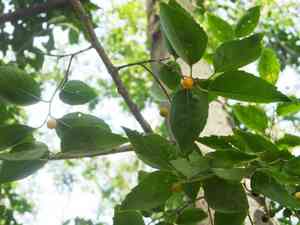
Belonging to the Cannabaceae family, bunge's hackberry is a deciduous tree originating from China, recognized for its resilience. For reproduction, utilize semi-hardwood cuttings harvested from robust parent specimens. Verify that the cuttings possess 3-5 nodes and apply rooting hormone to stimulate root formation. Place in adequately draining substrate and supply steady hydration without saturation to improve rooting outcomes.
Optimal Period for Bunge's Hackberry Propagation
Propagation Method
Cutting
Propagation Season
Autumn,Winter
Tools Required for Bunge's Hackberry Propagation
Pruning Shears
Utilized for taking precise sections from mature bunge's hackberry stems for propagation. High-quality, sharp, and clean shears ensure clean cuts, minimizing harm to both the parent plant and the cutting.
Rooting Hormone
Applied to the base of bunge's hackberry cuttings to stimulate root development. This hormone enhances the likelihood of successful rooting by encouraging growth at the cut site.
Propagation Trays
Offer a controlled setting for bunge's hackberry cuttings to root. They maintain consistent moisture and humidity levels crucial for root formation.
Sterile Potting Mix
A well-draining and sterile potting mix reduces the chance of fungal infections and provides the necessary support and nutrients for bunge's hackberry cuttings to establish roots.
Misting Bottle
Used to keep the foliage of bunge's hackberry cuttings moist without over-saturating the soil, which helps maintain humidity and prevents dehydration of the cuttings.
Heat Mat
Provides consistent bottom warmth, which can enhance root growth for bunge's hackberry cuttings by maintaining optimal soil temperatures, especially useful in cooler environments.
Humidity Dome
Covers the propagation trays to create a microenvironment with high humidity, which is crucial for reducing water loss through the leaves of bunge's hackberry cuttings.
How to Propagate Bunge's Hackberry?
Propagation Type
Moderately Difficult
Caring for Your Newly Propagated Bunge's Hackberry
Caring for Your Newly Propagated Bunge's Hackberry?
After successful rooting, gradually acclimate bunge's hackberry to the outdoor environment by exposing it to increasing amounts of direct sunlight. Transplant the established cutting into a larger pot or its permanent outdoor location with well-draining soil. Water regularly to maintain soil moisture, but avoid overwatering. Monitor for pests and diseases, and provide occasional feeding with a balanced fertilizer to encourage healthy growth. Prune as necessary to maintain desired shape and promote vigorous growth.
Common Mistakes to Avoid When Propagating Bunge's Hackberry
Overwatering
Excess moisture can lead to root rot and fungal infections, significantly reducing propagation success.
Poor Soil Drainage
Using soil that retains too much water can suffocate roots and lead to disease, hampering healthy growth.
Inadequate Sunlight
Placing propagating plants in areas with insufficient light can stunt growth and reduce vigor.
Improper Cutting Technique
Using dull or contaminated tools can damage plant tissue and increase the risk of infection.
Ignoring Pest Management
Failing to monitor and control pests can result in infestations that weaken young plants.
Tips For Propagating Bunge's Hackberry
Well-draining Soil
Use a mix that promotes excellent drainage to prevent waterlogging and root diseases.
Moderate Watering
Maintain moist but not soggy soil conditions to support healthy root development.
Adequate Light
Ensure the cuttings receive plenty of indirect sunlight to promote vigorous growth.
Clean Tools
Always use sharp, sterilized tools when making cuttings to minimize tissue damage and infection risk.
Monitor for Pests
Regularly check the plants for pests and treat any issues promptly to ensure healthy growth.



