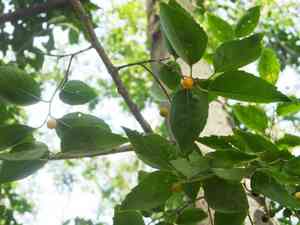
Bunge's hackberry (Celtis bungeana)
Also known as: Bunge's Hackberry
The Hackberry, specifically known as Celtis bungeana or Bunge's hackberry, is a deciduous tree that can reach a height of 15 meters.
In This Article
Attributes of Bunge's hackberry
Lifespan
Perennial
Plant Type
Tree
Plant Height
15 m
Spread
9 m to 12 m
Leaf Color
Green
Flower Size
Small and inconspicuous, less than 1 cm
Flower Color
Green
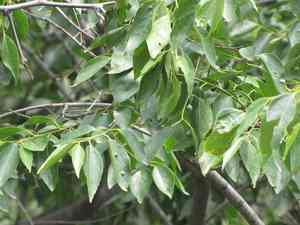
Images of Bunge's hackberry
Quickly Identify Bunge's hackberry
1
Identifying Celtis bungeana involves looking for its distinctive bark that is grey and smooth in young trees but becomes fissured with age. The leaves are ovate with a pointed tip and serrated edges. In fall, the leaves turn yellow, and it produces small, round, dark purple fruits.
Scientific Classification of Bunge's hackberry
Phylum
Vascular plants
Class
Dicotyledons
Order
Rosales
Family
Hemp
Genus
Hackberries
Species
Bunge's hackberry
Planting and Growing of Bunge's hackberry
Care Difficulty
Easy
Watering Schedule
Every 2 days
Sunlight Requirements
Partial sun
Sunshine Duration
4-8 hours
Ideal Temperature
68-77℉
Soil Type
Potting Mix, Peat Mix
Soil pH
6.5-7.5
Fertilizer Type
Balanced
Pruning Season
Spring, Summer
Pruning Area
Branches, Leaves
Pruning Frequency
2 times a year
Repotting Season
Spring
Pot Type
Plastic, Terracotta
 How to Water Bunge's hackberry?
Celtis bungeana should be watered deeply until the soil is moist but not waterlogged. Aim for about 500 ml of water per session, ensuring it reaches the root zone. The goal is to mimic natural rainfall, soaking the soil thoroughly.
What are the symptoms of an underwatered Bunge's hackberry?
›
What should I do if my Bunge's hackberry is not getting enough water?
›
What are the symptoms of an overwatered Bunge's hackberry?
›
How to save an overwatered Bunge's hackberry?
›
 What Are the Sunlight Requirements for Bunge's hackberry?
Celtis bungeana benefits from partial to full sun exposure, promoting vigorous growth and strong structural integrity. Ideal light conditions ensure maximum health and resistance to pests and diseases.
How much sun does it need?
›
What happens if it doesn't get enough light?
›
How can I ensure it gets the right lighting?
›
 What Is the Ideal Temperature Range for Bunge's hackberry?
Celtis bungeana thrives best within an optimal temperature range of 68°F to 77°F. These temperatures facilitate proper physiological processes such as photosynthesis, respiration, and transpiration, contributing to overall health and growth.
 What Soil is Best for Bunge's hackberry?
Celtis bungeana thrives best in well-drained soils to prevent waterlogging, which can cause root rot. A well-drained environment ensures roots receive sufficient oxygen, promoting robust growth and overall plant health. For optimal growth, moderate soil fertility is essential. A balanced nutrient profile supports healthy foliage and stem development, allowing the plant to maintain its appealing structure and natural resilience. Retaining adequate moisture is crucial for Celtis bungeana, particularly in drier conditions. A soil that holds moisture ensures the plant remains hydrated, especially during dry spells, supporting sustained growth.
 How to Fertilize Bunge's hackberry?
For Celtis bungeana, apply a balanced liquid fertilizer at a dilution rate recommended on the package. Ensure that there is proper water drainage to prevent root burn. In general, use about 1/4 to 1/2 strength of the recommended dosage for young plants and gradually increase as the plant matures.
 How to Prune Bunge's hackberry?
While pruning promotes healthy growth, over-pruning can stress the plant. Never remove more than one-third of the plant's foliage at a time to ensure a balanced energy reserve for the plant. Wear gloves and protective eyewear when pruning to avoid injury from sharp tools or falling branches. Stay clear of any power lines or utility equipment nearby. Properly dispose of all pruned materials, especially diseased branches, to prevent spreading diseases to other plants. Composting is fine for healthy clippings, but burn or dispose of infected material in sealed bags.
More About Pruning Techniques→
 How to Propagate Bunge's hackberry plant?
1
To propagate Celtis bungeana from seed, first collect mature seeds from the plant in the autumn. Clean the seeds thoroughly and allow them to dry. Stratify them by placing them in a moist substrate and refrigerating them for a few weeks to break dormancy.
2
For cutting propagation, select healthy, disease-free stems. Cut a 4-6 inch section just below a node in spring. Remove leaves from the lower half of the cutting and dip the cut end in rooting hormone to encourage root development.
3
Plant seeds in a well-draining seed-starting mix or the cuttings in a suitable substrate. Keep the planted seeds or cuttings in a warm, humid environment to promote rooting. Ensure consistent moisture without waterlogging the substrate.
 How to Repot Bunge's hackberry plant?
1
Repotting Celtis bungeana is optimal in spring or autumn, as the plant is actively growing and can recover quickly from any root disturbance. Look for signs like roots growing out of the drainage holes, slow growth, or poor water retention. These indicators suggest it's time to repot.
2
Select a pot that is only slightly larger than the current one to prevent excessive soil moisture retention. Ensure it has adequate drainage holes, facilitating proper drainage and preventing root rot. A terracotta pot is ideal as it allows airflow to the roots, promoting healthy root development.
3
Opt for well-drained loamy soil as it provides the perfect balance of moisture retention and aeration. The nutrient-rich yet airy quality supports root health, ensuring the plant receives sufficient nutrition and oxygen, vital for its vigorous growth.



