How to Prune Karanda?
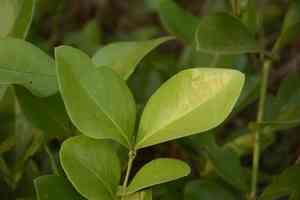
A spiny bush featuring bunches of aromatic white blossoms and dark purple fruits, karanda thrives with judicious trimming to preserve its form and stimulate berry development. Perform pruning while the plant is dormant in winter, eliminating deceased or overly dense branches to boost light exposure and airflow. Reduce older stalks to foster fresh development. Trimming not only encourages fruit yield but also wards off ailments by enhancing the plant's well-being.
What Are the Benefits of Pruning Karanda?
What Are the Benefits of Pruning Karanda?
Trimming karanda promotes robust development and helps maintain its desired form. It fosters a strong structure, improving air circulation and light penetration, which are vital for the plant's vigor and yield.
What Is the Best Time for Pruning Karanda?
What Is the Best Time for Pruning Karanda?
Late winter is the optimal period for pruning karanda because the plant is typically dormant due to cooler temperatures and fewer daylight hours. This dormancy minimizes stress and allows for better healing of cut areas. Pruning in late winter encourages strong growth in spring as the plant exits its dormant state. It also helps prevent disease transmission that can occur when pruning during more humid or wet seasons. Furthermore, since karanda produces fruit, late winter pruning avoids cutting new flower buds, which are essential for fruit production in the subsequent season. This timing ensures the plant conserves its energy reserves to support new growth and maximizes fruit yield.
What Tools Do I Need to Prune Karanda?
Bypass Pruners
Perfect for making clean cuts on young, green karanda branches. The sharp, scissor-like blades are ideal for cutting through stems and smaller branches up to 3/4 inch in diameter, ensuring healthy regrowth.
Loppers
Loppers will provide the extra reach needed for karanda plants and the leverage to cut through branches up to 1.5 inches thick. This is especially useful for karanda as they can have woody growth that is more efficiently managed with loppers.
Pruning Saws
When dealing with mature karanda that have branches over 1.5 inches in thickness, a pruning saw becomes essential. These saws can cut through larger branches cleanly without harming the plant.
Handheld Hedge Shears
These are useful for shaping karanda hedges or for trimming multiple small stems simultaneously. They are less precise than pruners but are perfect for shaping tasks.
How to Prune Karanda
Select
Examine karanda for withered leaves, dead, and diseased branches. Identify these parts as they require immediate removal to maintain plant health and appearance.
Sterilize
Sanitize pruning tools before cutting to prevent disease spread. Use a bleach or alcohol solution to clean the blades.
Trim leaves
Carefully snip off withered leaves at their base where they meet the stem or branch, being careful not to damage nearby healthy foliage or growth points.
Remove branches
Cut dead and diseased branches at a 45-degree angle just above a bud or branch junction to promote healthy growth and aid healing. Ensure cuts are clean and smooth.
Dispose
Collect and discard all removed withered leaves and branches to minimize disease or pest risk. Compost healthy plant material and safely dispose of diseased parts.
Common Pruning Mistakes with Karanda
Overpruning
Removing too much foliage at once can stress karanda, leading to stunted growth or reduced fruiting.
Underestimating thorns
Karanda has thorny branches that can cause injury if not handled carefully. Inexperienced gardeners may not take adequate precautions.
Improper cut placement
Making cuts too far from a bud, or leaving too large a stub, can attract disease and pests or cause dieback.
Ignoring diseased material
Failing to remove diseased or damaged wood can allow the disease to spread, negatively impacting the health of karanda.
Neglecting tool hygiene
Using dirty pruning tools risks transmitting pathogens between plants, which can be especially detrimental to karanda.
Poor timing
Pruning at the wrong time can reduce the flowering potential for karanda which blooms on previous or current year's growth.
Common Pruning Tips for Karanda
Sharp tools
Use clean, sharp pruning shears to make precise cuts that heal quickly, reducing the chance of disease.
Protective gear
Wear gloves and long sleeves to protect against karanda's thorns during pruning sessions.
Cut angle
Cut at a 45-degree angle about 1/4 inch above an outward-facing bud to promote outward growth and prevent water accumulation.
Moderate pruning
Prune lightly to shape karanda and remove no more than one-third of the foliage during a single session to maintain plant health.
Focus on deadwood
Regularly remove dead, diseased, or crossing branches to maintain airflow and reduce disease risk.
Encourage fruiting branches
To improve fruit production, selectively prune to encourage the growth of horizontal branches which are more likely to bear fruit.



