How to Propagate Karanda?
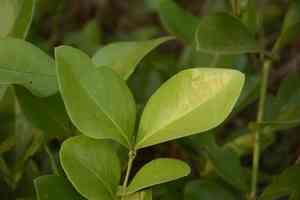
Carissa carandas flourishes when reproduced via stem sections. To achieve effective root formation, choose robust semi-lignified branches and prepare them by executing a precise incision beneath a joint. Submerging the severed tip in a rooting stimulant can boost root growth. Insert the stem segments into a potting blend that drains efficiently, making sure they remain damp yet not oversaturated. It is vital to furnish a consistent setting with adequate illumination and shelter from harsh climatic conditions until the root system is firmly established.
Optimal Time for Karanda Propagation
Propagation Method
Cutting
Propagation Period
Spring,Summer
Tools for Karanda Propagation
Sharp Pruning Shears
Crucial for making clean, precise cuts on karanda, sharp pruning shears minimize damage to both the parent plant and the cutting. A clean cut improves the cutting's ability to form roots, vital for successful propagation.
Rooting Hormone Powder
Applying rooting hormone to the cut end of karanda's stem before planting promotes faster root development. This product stimulates root growth at the cut site, increasing the likelihood of successful propagation.
Sterile Potting Mix
Utilizing a sterile potting mix prevents the introduction of pathogens to new karanda cuttings. A well-draining, nutrient-rich medium encourages healthier root growth, essential for new plant establishment.
Propagation Trays
These trays are used to neatly organize and manage karanda cuttings. They help maintain adequate moisture levels and provide sufficient space for root development, both critical for successful propagation.
Heat Mats
Heat mats provide gentle warmth, which can significantly improve the rooting success of karanda's cuttings, especially in cooler conditions. Maintaining an optimal temperature facilitates quicker root growth and supports overall plant health.
Propagating Karanda: A Guide
Propagation Difficulty
Moderately Difficult
Caring for Newly Propagated Karanda
Caring for Newly Propagated Karanda
Once karanda cuttings have developed strong roots and new growth appears, gradually acclimate them to less humid conditions by removing any cover if used. Move them to a sunny spot, ensuring they receive at least 6 hours of sunlight daily. Consistent watering is vital, but allow the soil to dry slightly between waterings to prevent root rot. Fertilize lightly every four to six weeks with a balanced, water-soluble fertilizer. Prune karanda regularly to encourage bushier growth and improve air circulation within the branches.
Common Errors to Avoid When Propagating Karanda
Overwatering
Excessive water during root formation can lead to root rot and fungal infections, hindering healthy root development for karanda.
Using unsuitable cuttings
Choosing non-viable or overly mature stems for cuttings can negatively impact rooting success as they may lack the vigor to establish new roots, jeopardizing the overall health of karanda.
Insufficient light
Placing karanda in an area with inadequate lighting during the rooting phase can result in weak, elongated growth and reduce the chances of successful propagation.
Ignoring pest control
Failing to monitor and manage pests during the early stages of propagation can lead to increased infestations which stress the plant, compromising the health and growth of karanda.
Tips for Propagating Karanda
Use healthy semi-hardwood cuttings
Selecting semi-hardwood cuttings from a healthy parent plant ensures they possess the necessary vigor to root and grow, promoting better establishment of karanda.
Proper cutting preparation
Pre-cutting treatments like using a rooting hormone can enhance root development, increasing the propagation success rate for karanda.
Optimal cutting size
Cuttings of about 6-8 inches with several leaf nodes create ideal conditions for rooting, supporting more effective nutrient absorption and growth for karanda.
Balanced moisture and drainage
Maintain consistent moisture levels and ensure good drainage in the growing medium to avoid waterlogging and support healthy root development for karanda.
Attentive aftercare
Regularly monitoring the growth environment and adjusting care practices, such as pest management and fertilization, helps establish a strong foundation for the new plants of karanda.



