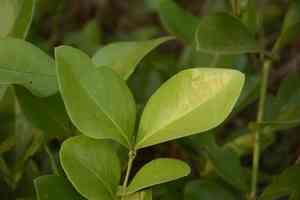
Karanda (Carissa carandas)
Also known as: Bengal currant, Kila, Klavu
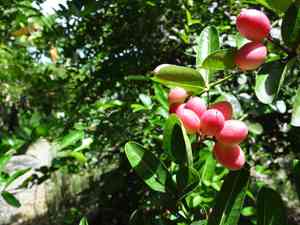
The Karanda (Carissa carandas) is often noted more for its practical uses than its looks, despite its eye-catching small red berries. The plant's branches feature thorns that can reach up to two inches, posing a significant challenge for gardeners as it weaves through other plants.
In This Article
Attributes of Karanda
Lifespan
Perennial
Plant Type
Shrub
Plant Height
5 m
Spread
1 m to 2 m
Leaf Color
Green Blue
Flower Size
2 cm
Flower Color
White
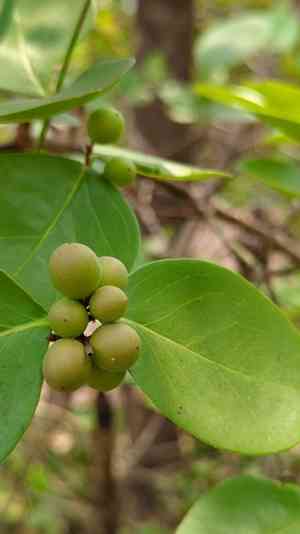
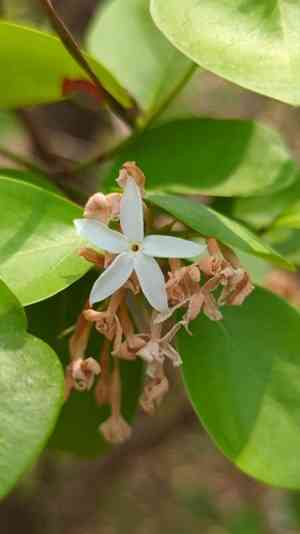
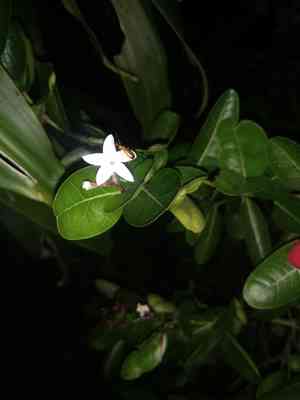
Images of Karanda
Quickly Identify Karanda
1
Carissa carandas can be identified by its thorny branches, small oval leaves, and clusters of white, fragrant flowers. The plant produces small, dark purple to black, berry-like fruits.
Scientific Classification of Karanda
Phylum
Vascular plants
Class
Dicotyledons
Order
Gentianales
Family
Dogbane
Genus
Carissa
Species
Karanda
Planting and Growing of Karanda
Care Difficulty
Easy
Watering Schedule
Every 3 days
Sunlight Requirements
Full sun
Sunshine Duration
4-8 hours
Ideal Temperature
68-86℉
Soil Type
Potting Mix, Peat Mix
Soil pH
6.5-7.5
Fertilizer Type
Balanced
Pruning Season
Spring, Summer
Pruning Area
Branches, Leaves
Pruning Frequency
2 times a year
Repotting Season
Spring
Pot Type
Plastic, Ceramic
 How to Water Karanda?
Water the Carissa carandas plant thoroughly until the soil feels evenly moist but not waterlogged. The watering amount should be around 500 milliliters per session, allowing the soil to adequately absorb the moisture. Ensure that excess water drains away to prevent root rot. You should aim to moisten the soil enough to nourish the plant but avoid oversaturating it.
What are the symptoms of an underwatered Karanda?
›
What should I do if my Karanda is not getting enough water?
›
What are the symptoms of an overwatered Karanda?
›
How to save an overwatered Karanda?
›
 What Are the Sunlight Requirements for Karanda?
Carissa carandas benefits from full sun to partial sun conditions, which supports healthy foliage and fruitful yields. Optimal light aids in rich chlorophyll formation and sugar production for the plant.
More About Sunlight Requirements Techniques→
How much sunlight does Carissa carandas need?
›
What should I do to achieve ideal light conditions?
›
What are the benefits of providing the ideal light?
›
 What Is the Ideal Temperature Range for Karanda?
The ideal temperature range for cultivating Carissa carandas is between 68°F and 86°F. This range provides the necessary warmth for promoting healthy growth and development, ensuring the plant has sufficient energy for photosynthesis and metabolic processes.
 What Soil is Best for Karanda?
Carissa carandas thrives in well-draining soil, which prevents root rot by allowing excess water to flow away. This is crucial for the plant's health since overly moist conditions can lead to fungal infections and other root diseases. Rich, fertile soil helps ensure that Carissa carandas has access to essential nutrients needed for vigorous growth and fruit production. The presence of organic matter often aids in maintaining these nutrient levels. Soils with moderate moisture retention provide a balanced environment where Carissa carandas roots receive adequate water without being waterlogged. This balance is key for continuous growth and flowering, leading to better fruit yields.
 How to Fertilize Karanda?
Carissa carandas requires moderate fertilization to thrive. For liquid fertilizers, mix 2 tablespoons of balanced liquid fertilizer in 1 gallon of water every time you apply. For slow-release fertilizers, apply at a rate of 50 grams per square meter. Ensure the fertilizer is spread evenly around the base.
 How to Prune Karanda?
Begin by removing any dead or diseased branches. These parts of the plant can harbor pests or infections that might spread to healthy portions, so timely removal is crucial. Trim the inner branches to allow better air movement through the plant. Improved air circulation reduces the risk of fungal infections and aids in healthy growth. Prune Carissa carandas to maintain its desired shape and size. Regular trimming helps in managing its growth, and maintaining a compact structure improves its ornamental value. Prune consistently during the active growing seasons: spring, summer, and autumn. Regular pruning not only keeps the plant tidy but also encourages lush foliage and more fruiting.
More About Pruning Techniques→
 How to Propagate Karanda plant?
1
Harvest mature fruits and extract seeds. Clean and dry them thoroughly before planting. Fresh seeds tend to germinate better, so try to plant them soon after collection.
2
Select healthy, semi-hardwood branches for cuttings. Ensure cuttings are 4-6 inches long with at least one node. Use pruning shears for clean cuts to prevent infection.
3
Select a healthy rootstock plant and a compatible Carissa carandas scion. Use a sharp knife to make clean cuts and secure the graft with grafting tape to ensure successful union.
 How to Repot Karanda plant?
1
Carissa carandas should be repotted when you notice that the roots are peeking out of the drainage holes or the plant exhibits stunted growth. Another sign could be when the soil dries out too quickly after watering. These indicators suggest that your plant needs more space, and it's an ideal time for repotting in spring or autumn.
2
Select a pot that is one size larger than the current one, with good drainage holes. A pot that is too large can lead to waterlogging and root rot, while a small pot will restrict growth. The material can be clay or plastic, based on climate conditions. Clay pots are breathable, maintaining moisture levels effectively, while plastic pots retain more moisture.
3
Choose a potting mix that includes well-draining sandy loam. This mixture ensures proper drainage and prevents root rot. Sandy loam with added organic matter will keep the nutrients balanced while maintaining the ideal consistency for moisture retention and aeration. This type of soil is perfect for the quick-draining needs of Carissa carandas.



