How to Prune Northern single-spike sedge?
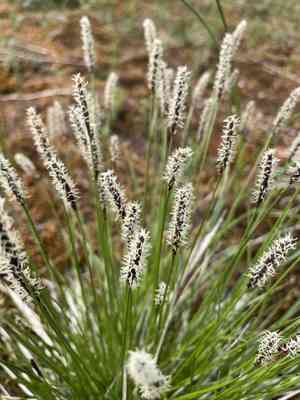
The Northern single-spike sedge, identifiable by its solitary spike and robust structure, flourishes with infrequent trimming. The most suitable periods for cutting are in early spring and during winter, coinciding with its inactive phases. Remove aged, compromised, or lifeless leaves to stimulate fresh development and preserve its form. Key points to remember involve refraining from cutting into the root mass and retaining some foliage to offer protection from severe climatic conditions. Advantages of pruning encompass enhanced vitality, better light exposure, and a diminished likelihood of illness.
Advantages of Trimming Northern Single-spike Sedge
Advantages of Trimming Northern Single-spike Sedge
Trimming northern single-spike sedge encourages robust development and maintains its form, ensuring a neat appearance. It promotes healthy growth and can help prevent overcrowding, ultimately boosting the plant's resilience and visual appeal.
Optimal Time for Trimming Northern Single-spike Sedge
Optimal Time for Trimming Northern Single-spike Sedge
Trimming northern single-spike sedge in early spring or winter is ideal for several reasons. During these periods, northern single-spike sedge is typically in a dormant or less active growth stage, making it less susceptible to stress and injury. In early spring, trimming encourages robust new growth as the plant begins its active growing season. Winter pruning, when the plant's energy is focused on root development, minimizes the risk of disease and allows the plant to recover before the next growing season. These seasons also avoid disrupting northern single-spike sedge's flowering period, ensuring healthy and abundant blooms.
Required Tools for Trimming Northern Single-spike Sedge
Hand Shears
Hand shears are perfect for precise trimming of northern single-spike sedge due to its fine, grass-like foliage. They allow for accurate cutting of individual stems without harming surrounding growth.
Pruning Scissors
Pruning scissors are excellent for maintaining northern single-spike sedge as they offer control and access to tight spots near the base, crucial for efficiently removing dead or damaged foliage.
Bypass Pruners
Bypass pruners are suitable for cutting through thicker and tougher stems of northern single-spike sedge when necessary. This tool is essential when dealing with any denser or more robust clumps.
How to Trim Northern Single-spike Sedge
Identify
Examine northern single-spike sedge carefully to locate any diseased or withered leaves.
Prepare tools
Ensure pruning shears or scissors are clean and sharp to prevent any damage or infection spread.
Trim diseased
Remove any diseased leaves by cutting them off at the base where they meet the main stem, ensuring complete removal to prevent the spread of disease.
Trim withered
Cut away withered leaves, also at the base where they join the main stem, to maintain the plant's health and appearance.
Dispose
Properly dispose of all the trimmed diseased and withered leaves away from the garden area to prevent any potential disease from spreading.
Common Trimming Errors with Northern Single-spike Sedge
Improper technique
Using dull or inappropriate tools can cause ragged cuts, potentially leading to disease or pest issues. Ensure tools are sharp and clean to make clean cuts.
Over-pruning
Removing too much foliage at once can stress northern single-spike sedge and hinder its ability to photosynthesize effectively. Balance is key â avoid cutting more than one-third of the plant at a time.
Pruning at incorrect times
Pruning during the wrong phase of growth can hinder northern single-spike sedge's development. Knowing the appropriate growth stages for pruning is crucial, even though the best season for pruning is not detailed here.
Inconsistent pruning
Irregular pruning can lead to uneven growth or an overgrowth situation that becomes hard to manage. Regular, consistent pruning keeps northern single-spike sedge in optimal shape and health.
General Trimming Advice for Northern Single-spike Sedge
Use the right tools
Always use sharp, clean shears or scissors. Disinfecting your tools before and after use can prevent disease spread.
Remove dead or damaged foliage
Start by cutting away any dead, dying, or diseased parts. This helps prevent the spread of diseases and focuses the plant's energy on healthy growth.
Thin out dense areas
If northern single-spike sedge becomes too dense, selectively thin out some of the older stems at the base. This allows light and air to penetrate, promoting healthier growth.
Maintain plant shape
Keep northern single-spike sedge looking tidy by trimming it to maintain its natural shape. Avoid cutting into the base too much â aim to trim around the edges and tip prune to encourage fuller growth.
Monitor plant health
Regularly check northern single-spike sedge for signs of pests or disease. Early detection and proper pruning can help manage these issues before they become significant problems.



