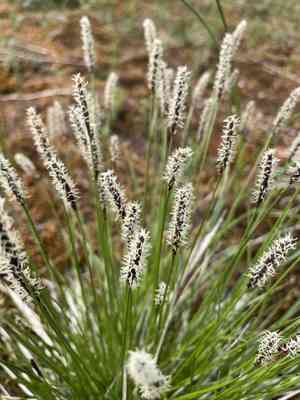
Northern single-spike sedge (Carex scirpoidea)
Also known as: Canadian single-spike sedge
The northern single-spike sedge (Carex scirpoidea) is a hardy perennial sedge that forms dense tufts of slender, arching leaves. It thrives in alpine and Arctic regions, featuring solitary, cylindrical flower spikes on thin stems, which stand out against its rugged surroundings. This sedge is well-adapted to cool climates, often found in moist, well-drained soils of meadows, tundra, and rocky slopes, reflecting its ability to endure harsh environmental conditions.
In This Article
Attributes of Northern single-spike sedge
Lifespan
Perennial
Plant Type
Grass
Plant Height
15 cm to 69 cm
Spread
N/A
Leaf Color
Green
Flower Size
1-2 cm
Flower Color
Yellow Green Brown
Images of Northern single-spike sedge
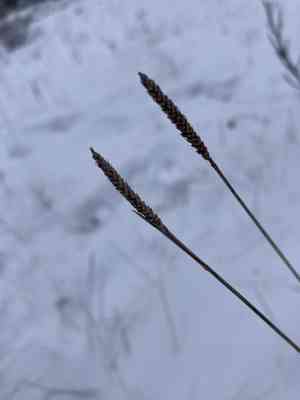
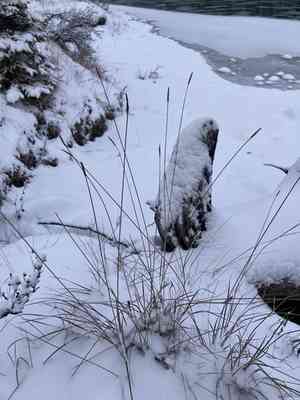
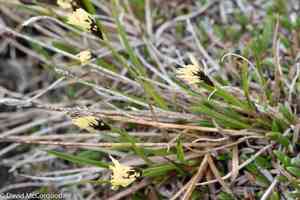
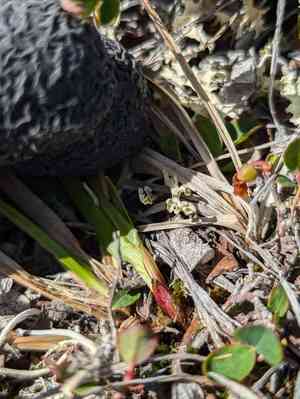
Quickly Identify Northern single-spike sedge
1
Identification of Carex scirpoidea can be done by observing its single spike of flowers and grass-like leaves. The plant typically has narrow, flat leaves and a rhizomatous growth habit.
Scientific Classification of Northern single-spike sedge
Phylum
Vascular plants
Class
Monocotyledons
Order
Poales
Family
Sedge
Genus
True sedges
Species
Northern single-spike sedge
Planting and Growing of Northern single-spike sedge
Care Difficulty
Moderate
Watering Schedule
Every 2 days
Sunlight Requirements
Full sun
Sunshine Duration
4-6 hours
Ideal Temperature
50-70℉
Soil Type
Potting Mix, Peat Mix
Soil pH
6.5-7.5
Fertilizer Type
Balanced
Pruning Season
Spring, Summer
Pruning Area
Branches, Leaves
Pruning Frequency
2 times a year
Repotting Season
Spring
Pot Type
Plastic, Ceramic
 How to Water Northern single-spike sedge?
For Carex scirpoidea, it's crucial to ensure the soil always stays damp but never soggy. Each watering session should aim to sufficiently moisten the root zone. Typically, around 150 ml of water should be adequate, depending on pot size and environmental conditions. The goal is to provide enough moisture to reach the deeper roots without waterlogging them.
What are the symptoms of an underwatered Northern single-spike sedge?
›
What should I do if my Northern single-spike sedge is not getting enough water?
›
What are the symptoms of an overwatered Northern single-spike sedge?
›
How to save an overwatered Northern single-spike sedge?
›
 What Are the Sunlight Requirements for Northern single-spike sedge?
Carex scirpoidea flourishes in an environment with full to partial sun, ideally enjoying 6-8 hours of sunlight. Optimum light promotes healthy development and vibrant greenness in its leaves.
What is the best location for Carex scirpoidea?
›
What can be done to ensure ideal sunlight?
›
What benefits does ideal lighting provide?
›
 What Is the Ideal Temperature Range for Northern single-spike sedge?
Carex scirpoidea thrives best in a moderate temperature range where stability is key. The ideal temperatures for its growth fall between 50°F and 70°F. Within this range, the plant maintains optimal physiological processes, allowing for healthy development and a robust growth pattern. Maintaining these temperatures will ensure that the metabolic rate of the plant is neither too slow nor too fast, leading to a balanced nutrient uptake and photosynthesis rate.
 What Soil is Best for Northern single-spike sedge?
Carex scirpoidea thrives in well-drained soil which prevents root rot. Ensuring effective drainage mimics its natural habitat, giving the plant its healthiest growth conditions. Optimal growth occurs in soil with moderate fertility. This balance provides essential nutrients without overwhelming the plant, allowing for robust health and vibrant foliage. Consistent moisture levels are key for Carex scirpoidea. Soil that retains moisture helps prevent stress during dry periods, promoting lush and dense growth.
 How to Fertilize Northern single-spike sedge?
Carex scirpoidea requires a balanced approach to fertilization. In general, provide a diluted liquid fertilizer solution at half the strength recommended for houseplants. This helps ensure that the plant receives nutrients without overwhelming its delicate root system.
 How to Prune Northern single-spike sedge?
Begin by removing any dead or damaged leaves, cutting them back to the base of the plant. Trim away any overgrown sections to help the plant maintain its shape. Focus on thinning out dense clusters of foliage to improve air circulation. When cutting, make clean, angled cuts close to the base or just above a leaf node. Always prune in the growing season for the best results. Try to maintain a natural shape when pruning Carex scirpoidea, ensuring the cuts blend seamlessly with the natural growth pattern. This enhances both the beauty and health of the plant, making it an attractive and thriving addition to your garden.
More About Pruning Techniques→
 How to Propagate Northern single-spike sedge plant?
1
Gather seeds from a mature Carex scirpoidea plant. Ensure the seeds are fully ripened by waiting until late summer when they naturally start to fall from the plant. Clean and dry seeds before storage or immediate sowing.
2
Use a well-draining soil mix in seed trays or propagation pots. Ensure the medium is moist but not waterlogged, as excess moisture can hinder seed germination and lead to seed rot.
3
During early spring, carefully dig up mature Carex scirpoidea clumps. Use your hands or a clean knife to divide the clump into sections, ensuring each contains viable roots and shoots.
 How to Repot Northern single-spike sedge plant?
1
Repot Carex scirpoidea when you notice roots peeping out from the drainage holes or when the plant's growth significantly slows down. Ideally, you should repot in the early stages of spring or autumn, when the plant is not in its active growing phase, to minimize stress.
2
Select a pot that is about 2 inches larger in diameter than the current one. It's important that the new pot has good drainage holes to prevent waterlogging, which can lead to root decay. Using glazed ceramic pots can also help maintain soil moisture without letting the plant become too waterlogged.
3
Opt for a well-draining sandy potting mix to ensure excess water flows out easily. This kind of soil prevents water retention, which is ideal for Carex scirpoidea, as it helps in reducing the chances of root rot and provides adequate aeration to the roots.



