How to Propagate Northern single-spike sedge?
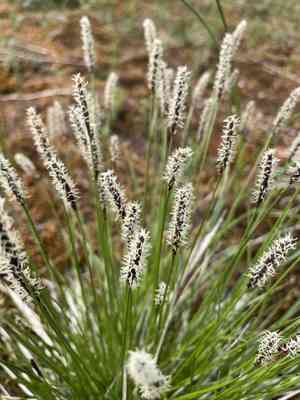
Northern single-spike sedge, a common sedge species, typically inhabits alpine and subarctic environments, flourishing in substrates that drain effectively. Reproduce this plant through separation, making sure every separated portion possesses its own root system. Immediately reinsert these divisions into the ground at an identical depth within a prepped location featuring suitable soil characteristics. Provide ample water following transplantation.
When Is the Best Time to Multiply Northern Single-spike Sedge?
Propagation Method
Division
Propagation Period
Spring,Autumn
What Implements Are Used in Northern Single-spike Sedge Propagation?
Garden Fork
A garden fork is vital for gently loosening and lifting the earth around northern single-spike sedge clumps. This helps minimize root damage during the separation process, ensuring the viability of divided plants.
Sharp Knife or Pruning Shears
A sharp knife or pruning shears are essential for cleanly cutting through the rootball of northern single-spike sedge without causing excessive harm to the plant tissues. Clean cuts encourage rapid healing and reduce disease risk.
Rooting Hormone
Applying a rooting hormone to freshly cut sections of northern single-spike sedge can enhance root development and boost the success rate of propagation, especially in challenging environments.
Watering Can with Fine Rose
A watering can with a fine rose is perfect for gently irrigating divided sections of northern single-spike sedge, providing the necessary moisture without dislodging soil or causing erosion.
Plant Labels
Using plant labels helps track different northern single-spike sedge divisions, ensuring proper identification and care. This is particularly important when dealing with multiple divisions or various plant types.
Hand Trowel
A hand trowel is useful for carefully digging and manipulating soil when dividing northern single-spike sedge. Its small size allows for precise work around delicate roots, reducing the risk of damage.
Compost or Potting Mix
High-quality compost or potting mix provides crucial nutrients and improves soil structure for newly divided northern single-spike sedge plants, supporting their growth and establishment in their new locations.
Garden Gloves
Wearing garden gloves protects hands from dirt and potential cuts or irritations when handling northern single-spike sedge during the propagation process. It also ensures a better grip on tools and plant materials.
Buckets or Trays
Buckets or trays are practical for transporting divided sections of northern single-spike sedge, keeping them organized and preventing root desiccation during the propagation process.
Mulch
Applying mulch around newly planted divisions of northern single-spike sedge helps retain soil moisture, suppress weeds, and regulate soil temperature, creating a more favorable environment for root establishment.
How to Propagate Northern Single-spike Sedge?
Propagation Type
Easy
How to Care for Your Newly Propagated Northern Single-spike Sedge?
How to Care for Your Newly Propagated Northern Single-spike Sedge?
After propagation, maintain a consistent watering schedule to keep the soil moist but not waterlogged. Apply a light layer of mulch to retain moisture and regulate soil temperature. Monitor growth and remove any competing weeds. Provide occasional feedings with a balanced fertilizer to support health and vigor. Regularly check for pests or diseases and address them promptly to ensure robust growth of northern single-spike sedge.
Common Errors to Avoid When Propagating Northern Single-spike Sedge
Overwatering
Excessive moisture can lead to root rot, which severely impacts the plant's health and hinders its ability to grow.
Incorrect soil type
Using soil that does not mimic the plant's natural habitat can cause poor nutrient absorption and stress on the plant.
Improper handling of seeds
Rough or careless handling can damage delicate seeds, reducing germination rates.
Lack of proper light conditions
Insufficient light can impede photosynthesis, affecting growth and overall plant vigor.
Tips For Propagating Northern Single-spike Sedge
Moderate watering
Ensure that the soil is moist but not waterlogged to prevent root rot and promote healthy growth.
Well-draining soil
Use a soil mix that drains well and closely resembles the natural conditions of northern single-spike sedgeâs habitat for optimal growth.
Gentle seed handling
Handle seeds carefully to prevent damage and increase the likelihood of successful germination.
Adequate light exposure
Provide sufficient light conditions to enable proper photosynthesis and promote robust growth.



