How to Prune Drooping sedge?
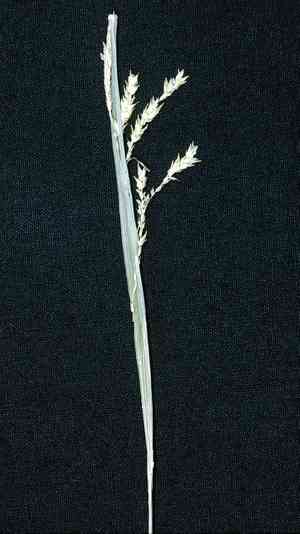
Carex pendula, recognized for its cascading, arching form, flourishes in moist environments. Trim in late winter or early spring prior to the onset of new development, concentrating on reducing aged or compromised leaves to foster more robust clusters and improved air circulation. Trimming is crucial for preserving the appealing look and vitality of Carex pendula, averting excessive density and encouraging new, strong stems. Make cuts near the ground to encourage peak development. Consistent trimming also assists in managing its expansion within cultivated areas.
What Are the Benefits of Pruning Drooping Sedge?
What Are the Benefits of Pruning Drooping Sedge?
Trimming drooping sedge promotes robust development and helps maintain its form, ensuring it stays compact and visually appealing. Regular cutting eliminates old foliage, fostering healthier, denser growth.
What Is the Best Time for Pruning Drooping Sedge?
What Is the Best Time for Pruning Drooping Sedge?
Pruning drooping sedge in early spring is beneficial as it prepares the plant for new growth by removing old or dead foliage before the active growing season. This timing stimulates healthy new shoots and maintains plant vigor. Winter pruning is also advantageous since drooping sedge is dormant then. Removing damaged or diseased parts in winter minimizes plant stress, conserving energy for spring growth. These seasons are chosen to align with drooping sedge's natural dormancy and active phases, ensuring the plant remains strong and recovers well post-pruning.
What Tools Do I Need to Prune Drooping Sedge?
Hand Pruners or Scissors
For trimming leaves and removing dead or damaged foliage, hand pruners or sharp scissors are ideal due to their precision and ease of handling. These tools allow for careful cutting that avoids damage to the healthy parts of drooping sedge.
Gardening Gloves
Essential for protecting the hands from sharp edges and minimizing any potential irritation from handling drooping sedge. They also provide a better grip for safe pruning.
How to Prune Drooping Sedge
Identify
Identify and assess the diseased and withered leaves on drooping sedge. Carefully check for any discoloration, spots, or dead tissue that indicates poor health.
Prepare
Prepare your pruning tools. Ensure that the shears or scissors are clean and sharp to avoid damaging the leaves of drooping sedge during the pruning process.
Cut
Carefully cut the diseased and withered leaves at their base near the soil line. Avoid pulling the leaves to prevent unnecessary stress on drooping sedge's roots.
Dispose
Dispose of the removed leaves appropriately. Do not compost diseased material as it may spread pathogens. Seal in a plastic bag and dispose of in the trash to prevent infection spread.
Clean
Clean the pruning tools after use to prevent the spread of disease. Wash and disinfect the tools before storing them away.
Common Pruning Mistakes with Drooping Sedge
Overpruning
Many gardeners tend to cut back drooping sedge too drastically, expecting this will promote new growth. However, severe pruning can stress the plant, leading to weak and sparse development.
Using dull tools
Utilizing dull or unclean pruning tools can result in jagged cuts or introduce diseases to drooping sedge, which may hinder its growth or cause foliage damage.
Ignorant of natural shape
Pruning drooping sedge without considering its natural cascading form can prevent the plant from achieving its aesthetic potential and may disrupt its natural growth patterns.
Common Pruning Tips for Drooping Sedge
Sharp clean cuts
Use sharp, clean tools for pruning drooping sedge to ensure clean cuts that heal quickly, minimizing the risk of disease.
Focus on dead or damaged foliage
Prune only the dead or visibly damaged foliage of drooping sedge to maintain plant health and appearance. This selective trimming helps in promoting vigorous growth and maintaining a natural look.
Moderation is key
When pruning drooping sedge, remove only what is necessary. Conservative pruning is generally sufficient to maintain health and shape the plant without causing undue stress.



