The Drooping sedge Plant Advantage: Maximizing Home and Office Appeal and Wellness
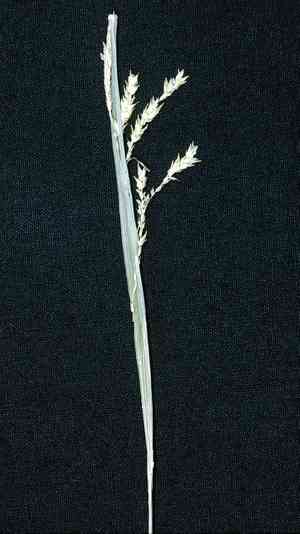
1
Offers superior soil stabilization, preventing erosion.
2
Draws in helpful insects, boosting garden biodiversity.
3
Retains its vibrant, verdant look all year long.
How Does Drooping sedge Stabilize Soil and Prevent Erosion?
Deep Root System
A key advantage of Drooping sedge is its extensive root network, which firmly secures the soil. This profound root structure makes it especially valuable in areas susceptible to erosion, such as inclines or riverbanks. By cultivating Drooping sedge, you can significantly lessen soil erosion and foster improved soil vitality.
Dense Foliage
Beyond its robust roots, Drooping sedge features thick foliage that serves as a protective layer for the soil. This leaf cover diminishes the impact of raindrops on the soil's surface, thereby reducing runoff and preventing erosion. It's an excellent option for ground cover in regions experiencing heavy rainfall.
Why Is Drooping sedge Beneficial for Biodiversity?
Attracting Beneficial Insects
By incorporating Drooping sedge into your garden, you can draw in various helpful insects, such as pollinators and predatory insects that aid in pest control. This contributes to a balanced ecosystem and lessens the need for chemical pest management methods.
Supporting Wildlife
Drooping sedge provides a habitat and food source for diverse wildlife species, including birds and small mammals. The plant's seeds and leaves offer essential nutrients, while its dense growth provides shelter. Integrating Drooping sedge into your garden can establish a thriving environment for local wildlife.
How to Use Drooping sedge in Landscaping?
As Ground Cover
Drooping sedge is an ideal plant for ground cover, thanks to its lush, green appearance throughout the year. It forms a thick mat of foliage that can effectively cover large areas, reducing the need for frequent maintenance.
In Water Conservation Gardens
Given its resilient nature and minimal water requirements, Drooping sedge is perfect for xeriscaping and water-wise gardens. It can flourish in various soil conditions and needs little watering once established, making it a sustainable choice for environmentally-aware gardeners.
What Are the Care Requirements for Drooping sedge?
Sunlight Needs
Drooping sedge adapts well to a range of light conditions, from full sun to partial shade. This versatility allows you to plant it in different areas of your garden without concern for its growth and health.
Soil and Watering
While Drooping sedge prefers moist, well-drained soil, it can tolerate various soil types, including sandy and clay. Consistent watering is crucial during the initial establishment phase, but the plant becomes relatively drought-tolerant once mature, requiring less frequent irrigation.
Are There Any Companion Plants for Drooping sedge?
Plants that Pair Well
Drooping sedge complements other native plants and ornamental grasses effectively. Consider planting it alongside wildflowers, ferns, and shade-loving perennials to create a diverse and visually appealing garden.
Creating a Balanced Ecosystem
Incorporating a variety of plants that complement Drooping sedge can foster a balanced and healthy garden ecosystem. This diversity helps maintain soil health, manage pests naturally, and support a wider range of wildlife species.



