How to Propagate Drooping sedge?
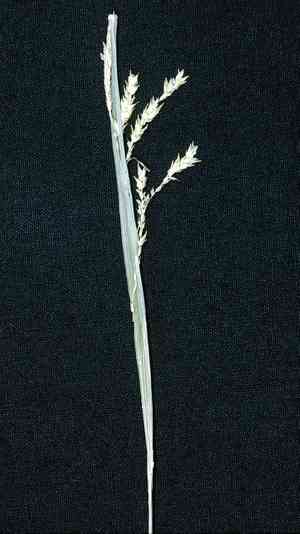
Drooping sedge flourishes when multiplied via separation, an efficient and straightforward technique ideal for this variety. For optimal development, divide drooping sedge in the early spring, right before fresh shoots emerge. Gently split the clusters, making sure every segment possesses sufficient root structure. Immediately replant the separated portions in damp, adequately draining earth, preserving the initial planting depth of the parent specimen. Water thoroughly after transplanting to aid root establishment, favoring shaded environments that replicate its native surroundings.
What Is the Best Time To Propagate Drooping Sedge?
Propagation Type
Division
Propagation Season
Spring,Autumn
What Tools Are Used in Drooping Sedge Propagation?
Garden Spade
A robust garden spade is crucial for successfully dividing drooping sedge. This tool helps in digging around the plant to remove it from the soil without harming the root system. Its sharp, flat blade is especially useful for cutting through the earth and making clean divisions of the root mass, which is vital for healthy propagation.
Pruning Shears
Pruning shears are utilized to trim roots and remove any dead or extra foliage before and after dividing drooping sedge. This prepares the plant for replanting and promotes more vigorous, healthier growth. Opt for shears with sharp, stainless steel blades to ensure precise cuts that encourage faster healing of the cut surfaces.
Watering Can with Fine Rose
Following the replanting of drooping sedge divisions, a gentle watering is necessary to help settle the soil and eliminate air pockets around the roots. A watering can equipped with a fine rose attachment ensures a soft, evenly distributed water flow that moistens the soil without causing erosion or disturbing the newly planted divisions.
Garden Fork
A garden fork is beneficial for loosely preparing the soil prior to planting drooping sedge divisions. It enables the propagator to incorporate compost or other soil amendments and loosen the soil, which enhances root penetration and drainage. The fork's tines offer the added benefit of aerating the soil without significantly disrupting the existing root structure.
How to Propagate Drooping Sedge?
Propagation Type
Easy
How to Care for Your Newly Propagated Drooping Sedge?
How to Care for Your Newly Propagated Drooping Sedge?
After propagating drooping sedge, maintain consistently moist soil, as drooping sedge thrives in damp conditions similar to their natural marshy environments. Keep the area around drooping sedge free of weeds and apply a thin layer of organic mulch to retain moisture and suppress weed growth. Avoid fertilizing immediately after propagation to prevent burning new roots; allow time for establishment. Position the plant in a spot that receives partial to full shade, as intense sunlight can stress the newly established divisions.
Common Mistakes to Avoid When Propagating Drooping Sedge
Overwatering
Gardeners often assume that because drooping sedge thrives in moist environments, it requires excessive watering during propagation. This error can lead to waterlogged conditions, which foster root rot and fungal diseases, potentially killing young plants.
Deep planting
Planting drooping sedge too deeply during propagation can hinder its growth. Deep planting can cause the rhizomes to rot, as they are deprived of essential oxygen and light, slowing down or completely stopping new growth.
Using diseased plant material
Utilizing diseased parts of drooping sedge for propagation might not show immediate issues but will result in weaker new plants that are more vulnerable to disease and environmental stress.
Tips For Propagating Drooping Sedge
Moist but well-drained medium
Use a propagation medium that is consistently moist yet well-drained to prevent waterlogging. This environment supports healthy root development without the negative effects of excessive water.
Shallow planting
Place the rhizomes or division pieces of drooping sedge superficially in the propagation medium. This promotes adequate root expansion and access to necessary air and light, encouraging healthier growth.
Select healthy plant parts
Always choose healthy, vigorous parts of drooping sedge for propagation. Ensuring the plant material is free from signs of disease or decay increases the success rate of propagation and results in more robust offspring.



