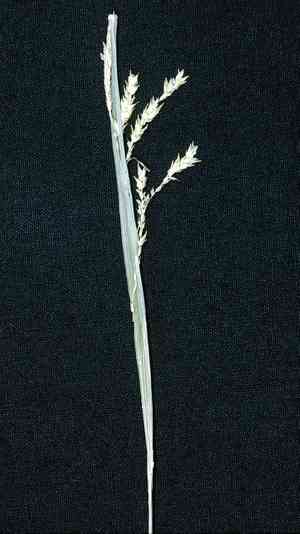
Drooping sedge (Carex prasina)
Also known as: Drooping Sedge
Drooping sedge (Carex pendula) is a perennial plant that flourishes in moist environments. It is characterized by its arching stems and hanging flower spikes, which typically bloom in the spring. The plant showcases long, narrow, bright green leaves and forms dense clumps, adding to the lush greenery of its surroundings. Ideal habitats for drooping sedge include shaded areas such as woodlands, stream banks, and wet meadows, where the soil is nutrient-rich and consistently damp.
In This Article
Attributes of Drooping sedge
Lifespan
Perennial
Plant Type
Grass
Plant Height
60-100 cm
Spread
Not Applicable for Sedge
Leaf Color
Pale Green
Flower Size
1-2 cm
Flower Color
White Yellow Brown
Images of Drooping sedge
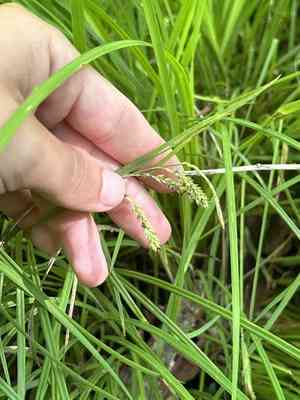
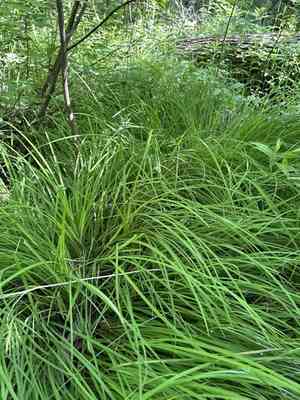
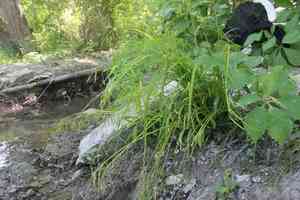
Quickly Identify Drooping sedge
1
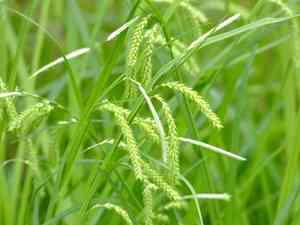
Carex prasina can be identified by its drooping leaves and the unique structure of its flowering spikes. The leaves are pale green, broad, and arching, often giving a drooping appearance. The plant produces distinctively pendulous flower spikes that hang gracefully.
Scientific Classification of Drooping sedge
Phylum
Vascular plants
Class
Monocotyledons
Order
Poales
Family
Sedge
Genus
True sedges
Species
Drooping sedge
Planting and Growing of Drooping sedge
Care Difficulty
Easy
Watering Schedule
Every 4 days
Sunlight Requirements
Partial sun
Sunshine Duration
6-10 hours
Ideal Temperature
60-75℉
Soil Type
Potting Mix, Peat Mix
Soil pH
6.5-7.5
Fertilizer Type
Balanced
Pruning Season
Spring, Summer
Pruning Area
Branches, Leaves
Pruning Frequency
2 times a year
Repotting Season
Spring
Pot Type
Plastic, Ceramic
 How to Water Drooping sedge?
For Carex prasina, the watering amount should adhere to the principle of keeping the soil consistently moist but not waterlogged. Water until the soil is evenly soaked but avoid excessive puddles.
What are the symptoms of an underwatered Drooping sedge?
›
What should I do if my Drooping sedge is not getting enough water?
›
What are the symptoms of an overwatered Drooping sedge?
›
How to save an overwatered Drooping sedge?
›
 What Are the Sunlight Requirements for Drooping sedge?
Carex prasina is best suited for environments offering partial sun to full shade, benefiting from filtered light conditions. This range supports optimal growth and robust leaf color.
What kind of light does Carex prasina need?
›
How to achieve the ideal light for Carex prasina?
›
What are the benefits of ideal light for Carex prasina?
›
 What Is the Ideal Temperature Range for Drooping sedge?
To ensure the best growth for Carex prasina, maintaining an ideal temperature range between 60°F and 75°F is crucial. This range supports optimal physiological processes required for the healthy development of the plant.
 What Soil is Best for Drooping sedge?
Carex prasina thrives in well-draining soil that prevents water from stagnating. This ensures the roots remain healthy and oxygenated, which is crucial for their growth and deep establishment. While the soil should drain well, it must also retain sufficient moisture. This balance supports the plant's consistent hydration without overwhelming its roots, particularly during dry spells. Nutrient-rich soil supports robust growth, providing essential minerals and organic matter that Carex prasina requires for optimal health and vibrant green foliage.
 How to Fertilize Drooping sedge?
The amount of fertilizer for Carex prasina should be moderate. Use diluted liquid fertilizer at half strength to avoid burning the roots. For slow-release granules, a small handful scattered evenly around the base is sufficient.
 How to Prune Drooping sedge?
Use clean, sharp gardening scissors or shears to ensure a precise cut and to minimize damage to the plant. Cleaning your tools beforehand helps prevent the spread of pathogens. Begin by identifying any leaves that have turned brown or show signs of damage. These should be removed at the base of the stem to promote healthier foliage growth. Focus on cutting back overly long or excessive clumps of grass, especially those that are overshadowing other parts of the plant, to enhance overall symmetry and appearance.
More About Pruning Techniques→
 How to Propagate Drooping sedge plant?
1
Begin by filling a propagation tray with a seed-starting mix. Sow the Carex prasina seeds evenly on the surface and cover them lightly with substrate. Water the tray gently to avoid displacing the seeds, then place it in a bright location, keeping the soil moist until germination occurs.
2
Choose a healthy, mature Carex prasina plant, digging around its base with a garden trowel to remove it from the soil carefully. Shake off excess soil to expose the root system, then gently tease apart the roots and separate into smaller sections, ensuring each has a good portion of roots and shoots.
3
Prepare a new bed or containers with well-draining soil. Plant each section of the divided Carex prasina at the same depth it was previously growing. Water thoroughly to settle the soil and place in a partially shaded area until the plant establishes.
 How to Repot Drooping sedge plant?
1
Carex prasina often requires repotting when root growth becomes noticeable through the drainage holes or the surface roots begin to coil around the soil. Additionally, if growth appears stunted or new leaves are fewer, it signals that it's time for a fresh pot.
2
Opt for a container that is just one size larger than the current one. This prevents overwatering, as Carex prasina prefers a snug fit over excessively large pots. Ensure the pot has drainage holes to support moisture control and prevent root rot.
3
Use a soil mix that retains moisture but also drains well, containing components like peat moss and perlite. Such soil supports the plant's preference for moist habitats while avoiding water-logged conditions that could harm root health.



