How to Prune Cedar sedge?
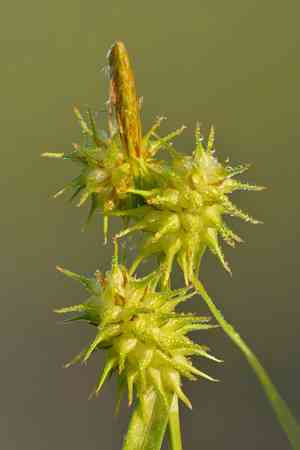
Cedar sedge, known for its clumped, grassy look, thrives with trimming to preserve its well-being and visual appeal. Perform pruning in early spring or winter to eliminate deceased or compromised stalks, encourage robust development, and avert excessive density. Routine cutting also aids in controlling its expansion and maintaining neatness. Trimming during these periods corresponds with its developmental rhythm, guaranteeing minimal strain on the plant. Persistent pruning boosts the plant's vigor and hardiness.
What Are the Benefits of Pruning Cedar Sedge?
What Are the Benefits of Pruning Cedar Sedge?
Pruning cedar sedge promotes vigorous growth and helps maintain its form. Regular trimming also manages its size and boosts resistance to pests and diseases, improving its overall look.
What Is the Best Time for Pruning Cedar Sedge?
What Is the Best Time for Pruning Cedar Sedge?
Pruning cedar sedge is best done in early spring or winter due to its growth cycle and dormant period. During these times, cedar sedge is less active, which reduces plant stress and encourages healthy regrowth. Early spring pruning also allows for the removal of winter-damaged leaves, preparing the plant for the upcoming growth season. Winter pruning ensures energy is conserved and directed to strengthen the root system during dormancy, leading to better overall health.
What Tools Do I Need to Prune Cedar Sedge?
Hand Pruners
For precise removal of dead or damaged culms, typically at the base. Hand pruners enable close cuts that minimize harm to nearby shoots.
Hedge Shears
Useful for shaping and trimming larger clumps of cedar sedge. These shears assist in managing overall height and form, ensuring uniformity.
Gloves
Essential for hand protection when handling cedar sedge, which can sometimes have sharp edges.
Pruning Saw
For cutting thicker stems or culms, if needed. This tool is less frequently required but useful for older, woodier growth.
How to Prune Cedar Sedge
Assessment
Thoroughly inspect cedar sedge to identify diseased and withered leaves that require removal.
Preparation
Gather necessary tools such as clean, sharp pruning shears to prevent damage to cedar sedge and ensure clean cuts.
Diseased leaves removal
Carefully remove any diseased leaves by cutting them at the base, ensuring no damage to healthy parts of cedar sedge. Dispose of these leaves immediately to prevent disease spread.
Withered leaves removal
Trim withered leaves close to their base or where they connect to healthy tissue. Be sure to avoid cutting into the living tissue of cedar sedge.
Aftercare
Verify that all diseased and withered leaves have been removed, and ensure the plant is adequately watered and maintained. Monitor cedar sedge for any new issues.
Common Pruning Mistakes with Cedar Sedge
Incorrect technique
Using unsuitable tools or methods can harm the plant. For instance, dull or dirty shears can cause tearing or bruising of foliage instead of clean cuts, potentially leading to disease and pest infestations.
Over-pruning
Removing too much foliage can weaken cedar sedge, disrupt its growth pattern, and reduce its ability to photosynthesize effectively, impacting overall health and vigor.
Neglecting dead or diseased parts
Failing to remove dead or diseased foliage can lead to the spread of infections and pests, hindering the plant's growth and health.
Common Pruning Tips for Cedar Sedge
Maintain sharp and clean tools
Always use sharp, sterilized tools to make clean cuts. This reduces the risk of infections and ensures healthy regrowth.
Target dead or damaged foliage
Focus on removing dead, damaged, or diseased parts first. This encourages healthier growth by allowing the plant to focus its energy on producing new, vigorous shoots.
Light trimming regularly
Regular, light trimming helps maintain an attractive shape and encourages dense, robust growth. It also helps prevent the plant from becoming too leggy.



