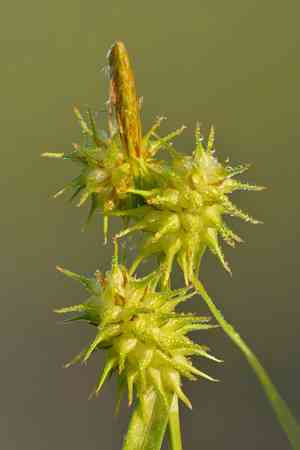
Cedar sedge (Carex planostachys)
Also known as: Cedar sedge, Flat sedge
Cedar sedge (Carex planostachys) is a perennial sedge with slender, arching leaves that create dense clumps. It features unique cylindrical seed spikes that appear in the spring, aiding in its identification. This plant prefers shaded, moist environments and has a robust root system that helps stabilize the soil, showcasing its importance in its native habitat beyond mere visual appeal.
In This Article
Attributes of Cedar sedge
Lifespan
Perennial
Plant Type
Grass
Plant Height
0 mm to 30 cm
Spread
Not applicable
Leaf Color
Green
Flower Size
Small, less than 1 cm
Flower Color
Greenish to brown
Images of Cedar sedge
Quickly Identify Cedar sedge
1
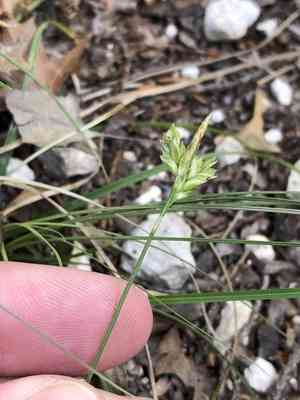
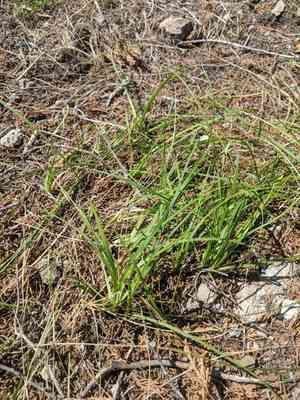
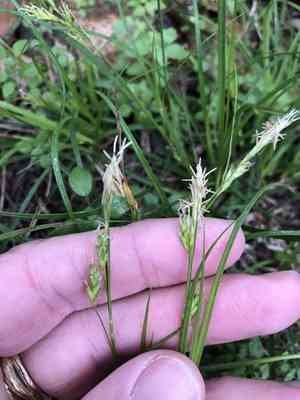
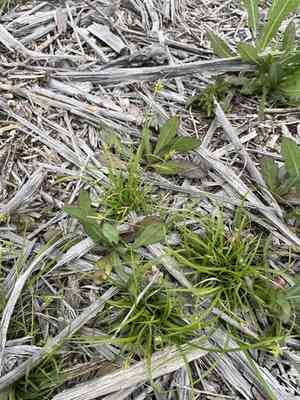
Carex planostachys can be identified by its flat, grass-like leaves and small, inconspicuous flower spikes. The plant forms dense tufts or mats and often grows in shaded, wooded areas. The leaves are rough to the touch and grow in clumps.
Scientific Classification of Cedar sedge
Phylum
Vascular plants
Class
Monocotyledons
Order
Poales
Family
Sedge
Genus
True sedges
Species
Cedar sedge
Planting and Growing of Cedar sedge
Care Difficulty
Moderate
Watering Schedule
Every 2 days
Sunlight Requirements
Partial sun
Sunshine Duration
6-8 hours
Ideal Temperature
60-75℉
Soil Type
Potting Mix, Peat Mix
Soil pH
6.5-7.5
Fertilizer Type
Balanced
Pruning Season
Spring, Summer
Pruning Area
Branches, Leaves
Pruning Frequency
2 times a year
Repotting Season
Spring
Pot Type
Plastic, Ceramic
 How to Water Cedar sedge?
The ideal watering amount for Carex planostachys is about 250 ml each time. When you water, ensure that the soil is evenly moist but not waterlogged. Let the excess water drain out completely to avoid root rot.
What are the symptoms of an underwatered Cedar sedge?
›
What should I do if my Cedar sedge is not getting enough water?
›
What are the symptoms of an overwatered Cedar sedge?
›
How to save an overwatered Cedar sedge?
›
 What Are the Sunlight Requirements for Cedar sedge?
Partial sunlight is optimal for Carex planostachys, ideally around 2-6 hours of diffused light. Adequate light promotes vigorous growth, enhances foliage color, and supports overall plant health by optimizing photosynthesis.
What is the ideal light condition?
›
How can the ideal light be achieved?
›
What benefits does the ideal light provide?
›
 What Is the Ideal Temperature Range for Cedar sedge?
The ideal temperature range for cultivating Carex planostachys is between 60 and 75 degrees Fahrenheit. This range allows the plant to thrive by providing optimal conditions for photosynthesis and growth. Sticking to this range ensures the plant maintains its hydration levels and facilitates nutrient uptake from the soil. It is crucial for achieving robust growth and healthy foliage.
 What Soil is Best for Cedar sedge?
Carex planostachys thrives best in well-drained soil because it prevents root rot and keeps the plant healthy by allowing excess water to drain easily. This ensures a balanced moisture level, crucial for its robust growth. This plant prefers moderately fertile soil, which provides essential nutrients without overwhelming the roots. A balanced fertility level supports vibrant foliage and healthy root development, aiding the plant's long-term vitality. Carex planostachys grows optimally in slightly acidic to neutral pH soils, which helps with nutrient uptake and promotes disease resistance. This pH balance is perfect for maintaining its health and ensuring lush growth.
 How to Fertilize Cedar sedge?
For Carex planostachys, a well-balanced approach is key. When using liquid fertilizer, a dilution of half the recommended strength is ideal, approximately 1 teaspoon per gallon of water. For slow-release fertilizer, apply about 2 to 3 pounds per 100 square feet, ensuring uniform distribution.
 How to Prune Cedar sedge?
Start by sterilizing your pruning shears to prevent any disease transmission. Trim back dead or damaged foliage at the leaf base, ensuring a clean cut. Remove any spent flower stalks to redirect the plant's energy towards growth. For large clumps, consider dividing them every few years to promote airflow and rejuvenate growth. Be mindful not to cut into the thick crown of the plant.
More About Pruning Techniques→
 How to Propagate Cedar sedge plant?
1
Collect seeds from mature Carex planostachys plants. Allow the seeds to dry in a cool, dry place to ensure they are ready for planting.
2
Use well-draining soil, ideally a mix of sand and potting soil. Ensure the planting area is free of weeds and debris to support healthy growth.
3
Carefully divide the clumps of Carex planostachys plants using a sharp knife or garden fork, making sure to leave adequate roots attached to each division.
 How to Repot Cedar sedge plant?
1
Repot Carex planostachys when you notice roots emerging from the drainage holes, indicating the plant has outgrown its current pot. Another sign is slowed growth despite favorable conditions. Ideally, tackle repotting in spring when the plant shifts into active growth, ensuring smooth acclimation to its new pot.
2
Select a pot that is 1-2 inches larger in diameter than the current one. This extends room for growth without excess moisture retention. Opt for containers with ample drainage holes to avert waterlogging and root rot. Materials like ceramic or plastic offer durability and stability.
3
Opt for a well-draining soil mix, which usually means a combination of potting soil, perlite, and sand. Such a mix enables excellent water removal and avoids waterlogged roots, offering the grasses a substrate where roots can comfortably expand.
Learn More About Cedar sedge Diseases
Anthracnose
Bacterial Leaf Spot
Bacterial Soft Rot
Bacterial Wilt
Black Spot
Chemical Injury
Crown Gall
Cyst Nematode
Damping-off
Downy Mildew
Drought Stress
Fusarium Wilt
Gray Mold
Leaf Spot
Mosaic
Nutrient Deficiency
Nutrient Toxicity
Powdery Mildew
Root Rot
Root-knot Nematode
Rusts
Sooty Mold
Spider Mites
Temperature Stress
Thrips Damage
White Mold



