How to Propagate Cedar sedge?
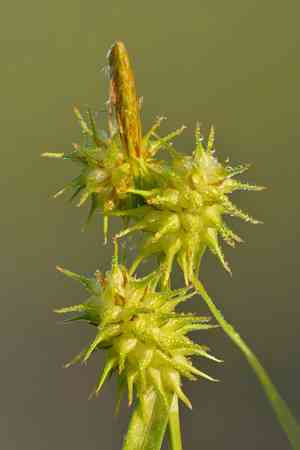
Cedar sedge is a perennial sedge that forms clumps and thrives in forested regions. For reproduction, it's beneficial to separate the root masses, making sure each segment possesses multiple robust roots and sprouts. Insert the segments into prepared earth, maintaining ample moisture at first to promote their settling. A balanced setting, steady hydration, and dappled sunlight foster optimal development for cedar sedge.
Optimal Period for Cedar Sedge Propagation
Propagation Method
Division
Propagation Period
Spring,Autumn
Tools for Cedar Sedge Propagation
Sharp Garden Spade
A keen garden spade is vital for separating cedar sedge clumps. It enables clean cuts through roots without excessive harm, which is key for the health of the divided portions.
Hand Trowel
A hand trowel is useful for excavating smaller cedar sedge sections for propagation. It allows for precise soil removal and minimizes root disturbance.
Garden Fork
A garden fork assists in carefully lifting and detaching cedar sedge clumps from the earth. Its tines are designed to loosen soil around roots without severing them, simplifying plant division.
Pruning Shears
Pruning shears are needed for trimming back cedar sedge foliage prior to division. Reducing foliage length can help the plant prioritize root establishment post-division.
Root Knife
A root knife is specialized for cutting through denser cedar sedge root masses. This tool provides a clean cut through tough, intertwined roots while minimizing plant damage.
Watering Can with Fine Rose Attachment
A watering can with a fine rose attachment ensures gentle post-division watering, crucial for helping new sections establish. The fine spray minimizes soil displacement and root disruption.
Labeling Stakes
Labeling stakes help track the various cedar sedge sections that have been divided and planted. This aids in monitoring growth and ensuring all sections are accounted for during propagation.
Compost or Organic Matter
Compost or organic matter is important for enriching the soil where new divisions will be planted. It provides essential nutrients and improves soil structure, promoting healthy root development.
How to Propagate Cedar Sedge?
Propagation Type
Simple
Caring for Your Newly Propagated Cedar Sedge
Caring for Your Newly Propagated Cedar Sedge
Post-propagation, keep the soil consistently moist but not waterlogged to aid establishment. Provide partial to full shade as cedar sedge prefers shadier spots. Monitor for pests and diseases, taking action as needed. Fertilize with a balanced, slow-release fertilizer once new growth appears. Regularly remove dead or damaged foliage to maintain plant health and appearance.
Common Mistakes to Avoid When Propagating Cedar Sedge
Overwatering
Excessive moisture can lead to root rot, harming the plant and potentially causing establishment failure or even death.
Improper Soil
Using poorly draining soil can trap water around roots, leading to poor root health and potential fungal issues.
Planting Depth
Planting too deep or shallow can stress the plant, hindering its ability to establish roots and absorb nutrients properly.
Neglecting Spacing
Failing to space plants adequately can result in overcrowding, leading to competition for resources like light, nutrients, and water, weakening each individual plant.
Tips For Propagating Cedar Sedge
Well-draining Soil
Utilize soil that drains efficiently to prevent waterlogging and encourage robust root development.
Moderate Watering
Maintain a balanced watering schedule; the soil should remain moist but not saturated to prevent root rot.
Correct Planting Depth
Ensure the plant is positioned at the appropriate depth, with the stem base level with the soil surface, to facilitate strong growth.
Adequate Spacing
Space plants appropriately to reduce competition and ensure each plant receives sufficient light, air, and nutrients.



