How to Prune Liddon's sedge?
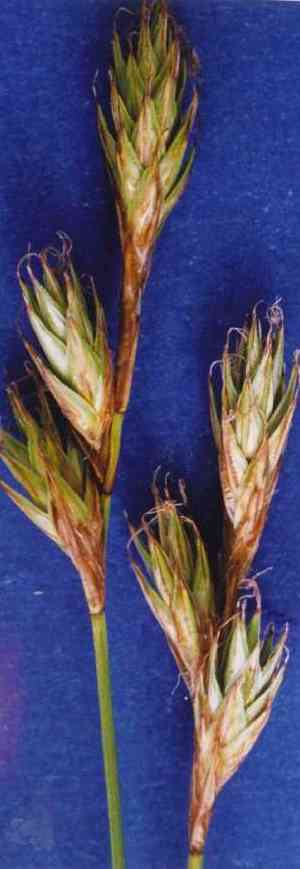
Recognized for its characteristic grass-like clusters, liddon's sedge flourishes with infrequent trimming. Essential methods involve cutting back deceased or excessive leaves in early spring or late winter to foster robust development and preserve its visual charm. This schedule capitalizes on liddon's sedge's inactive phase, stimulating strong spring emergence. Consistent trimming additionally aids in averting ailments by enhancing air movement within the groupings. These routines guarantee liddon's sedge stays vigorous and attractive across all seasons.
What Are the Benefits of Pruning Liddon's Sedge?
What Are the Benefits of Pruning Liddon's Sedge?
Trimming liddon's sedge promotes robust development and helps maintain its desired form. Regular cutting eliminates old leaves, fostering healthier, thicker growth and enhancing the plant's overall appearance.
What Is the Best Time for Pruning Liddon's Sedge?
What Is the Best Time for Pruning Liddon's Sedge?
Pruning liddon's sedge in early spring is beneficial as it coincides with the start of the plant's active growth period, allowing it to recover quickly and direct energy into new development. During this time, removing older, dead, or damaged foliage stimulates healthier and more vigorous growth. Additionally, winter is an ideal time for pruning because liddon's sedge is largely inactive. This season minimizes stress on the plant, preventing the depletion of vital energy reserves needed for spring growth. Trimming in winter also helps maintain the structure and aesthetics of liddon's sedge, preparing it for strong growth as temperatures rise.
What Tools Do I Need to Prune Liddon's Sedge?
Hand Pruners
Perfect for cutting through the fine, fibrous roots and leaves of liddon's sedge. Hand pruners provide precise cuts that help preserve the plantâs natural shape.
Grass Shears
These are excellent for shaping and trimming the grass-like foliage of liddon's sedge without harming the plant. Grass shears enable detailed work, especially around the plant's dense clumps.
Garden Scissors
Useful for snipping dead or overgrown foliage in liddon's sedge, particularly in confined spaces where larger tools might not fit. This ensures the plant's health and aesthetic appeal.
Pruning Saw
Recommended for older, thicker clumps of liddon's sedge that may have woodier stems at the base. A pruning saw assists in managing the plantâs size and effectively removing old growth.
How to Prune Liddon's Sedge
Identify
Identify and mark the diseased and withered leaves on liddon's sedge. Use small tags or simply note areas needing attention, ensuring you only target specific leaves showing signs of disease or wilting.
Disinfect
Disinfect your pruning tools. Before starting, clean your shears or scissors with a solution of 1 part bleach to 9 parts water to prevent the spread of any plant diseases.
Cut
Cut the identified diseased and withered leaves. Using the disinfected tools, make a clean cut at the base of each targeted leaf where it meets the stem or the plant's base. Ensure cuts are clean and avoid tearing the plant material.
Clean up
After pruning, remove all cut leaves from around liddon's sedge. This helps prevent any potential disease from spreading in the garden area and maintains a tidy environment for the plant.
Common Pruning Mistakes with Liddon's Sedge
Over-pruning
A common error is removing too much foliage from liddon's sedge, which can weaken the plant. It is crucial not to remove more than one-third of the plantâs total volume during a single pruning session, as this might hinder its ability to thrive.
Pruning too close
Cutting too close to the crown of liddon's sedge can damage the plant's growth points. It's important to leave a few inches of the foliage base intact to ensure the sedge remains healthy and resilient.
Incorrect tool use
Using dull or unsuitable tools can damage liddon's sedge's delicate fronds. Always use sharp, clean pruning shears or scissors to make clean cuts, which helps prevent injury to the plant and reduces the risk of disease.
Common Pruning Tips for Liddon's Sedge
Timing
While specific seasonal timing is not discussed here, ensuring the correct frequency of pruning throughout the season is crucial. Regular, light pruning is preferable over less frequent, intensive pruning sessions.
Technique
For liddon's sedge, use a technique called 'thinning'. Remove older, outer foliage to improve light and air penetration to the center of the cluster, which encourages healthier, denser growth.
Post-pruning care
After pruning liddon's sedge, apply a light layer of mulch around the base to help retain moisture and regulate soil temperature. Additionally, watering the plant after pruning helps it recover faster and resume vigorous growth.



