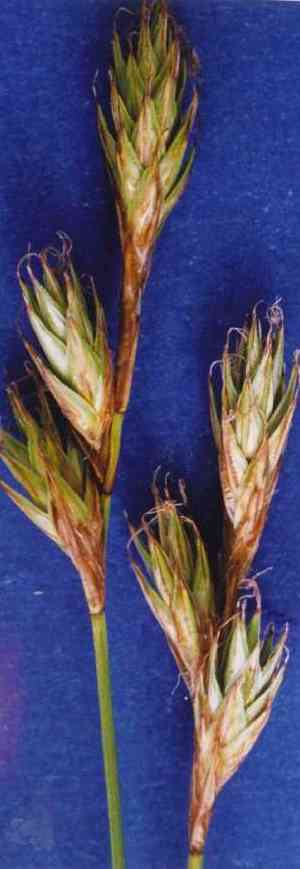
Liddon's sedge (Carex petasata)
Also known as: Umbrella Sedge
Liddon's sedge is a hardy, versatile herb capable of thriving in various climates. It serves as a host plant for several butterflies, notably the Umber Skipper, and moths like the Mountain Beauty. Despite its resilience, Liddon's sedge is especially vulnerable to human activities, leading to its rarity and endangered status in some areas, particularly in California.
In This Article
Attributes of Liddon's sedge
Lifespan
Perennial
Plant Type
Grass
Plant Height
91 cm
Spread
2 cm to 3 cm
Leaf Color
Green
Flower Size
1-3 mm
Flower Color
Yellow Green Brown
Images of Liddon's sedge
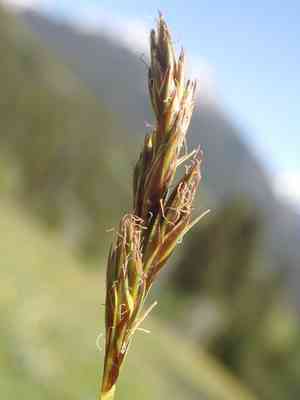
Quickly Identify Liddon's sedge
1
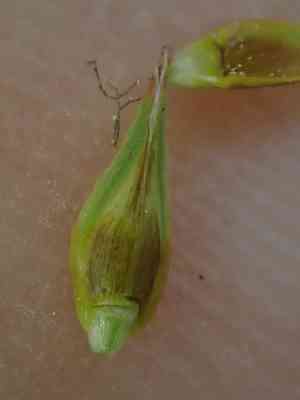
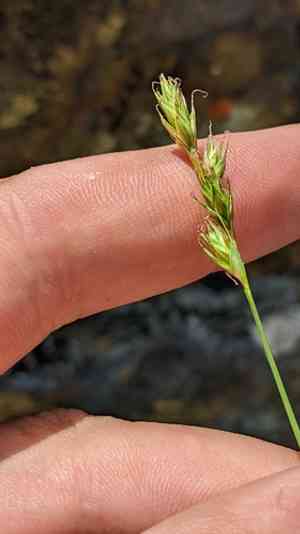
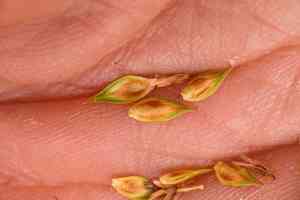
Carex petasata can be identified by its long, slender leaves and its flower spikes that are typically grouped in dense clusters. The plant often forms a dense clump and has a distinctive umbrella-like shape.
Scientific Classification of Liddon's sedge
Phylum
Vascular plants
Class
Monocotyledons
Order
Poales
Family
Sedge
Genus
True sedges
Species
Liddon's sedge
Planting and Growing of Liddon's sedge
Care Difficulty
Easy
Watering Schedule
Every 2 days
Sunlight Requirements
Partial sun
Sunshine Duration
6-10 hours
Ideal Temperature
60-75℉
Soil Type
Potting Mix, Peat Mix
Soil pH
6.5-7.5
Fertilizer Type
Balanced
Pruning Season
Spring, Summer
Pruning Area
Branches, Leaves
Pruning Frequency
2 times a year
Repotting Season
Spring
Pot Type
Plastic, Ceramic
 How to Water Liddon's sedge?
When watering Carex petasata, aim to soak the soil thoroughly but ensure it drains well. The soil should remain consistently moist without becoming waterlogged. This typically requires around 300 ml of water each session, covering the entire root zone evenly.
What are the symptoms of an underwatered Liddon's sedge?
›
What should I do if my Liddon's sedge is not getting enough water?
›
What are the symptoms of an overwatered Liddon's sedge?
›
How to save an overwatered Liddon's sedge?
›
 What Are the Sunlight Requirements for Liddon's sedge?
Partial sun exposure is ideal, such as morning sunlight with afternoon shade. This range helps balance moisture retention and energy production, vital for vibrant growth and resilience against environmental stress.
What is the ideal amount of sunlight for Carex petasata?
›
How can I ensure that Carex petasata receives its ideal lighting conditions?
›
What are the benefits of providing ideal lighting conditions for Carex petasata?
›
 What Is the Ideal Temperature Range for Liddon's sedge?
What is the ideal temperature range for growing Carex petasata? The ideal temperature range for Carex petasata is between 60°F and 75°F. Within this range, the plant can perform its physiological processes optimally, promoting healthy growth and vibrant foliage. Maintaining temperatures in this range helps the plant maintain its natural resilience against diseases and pests.
 What Soil is Best for Liddon's sedge?
Carex petasata prefers soil that maintains consistent moisture. This ensures the plant remains hydrated and supports robust growth, especially in drier climates. A loamy soil type is ideal, as it balances drainage and moisture retention efficiently. A nutrient-rich soil provides the essential nutrients necessary for Carex petasata's growth. Using compost or organic matter can enhance the soil's fertility, promoting healthier and more vigorous plants. Proper drainage is crucial to prevent root rot and other water-related issues in Carex petasata. Soils with good drainage, like sandy loam, allow excess water to escape, while still retaining enough moisture for plant health.
 How to Fertilize Liddon's sedge?
Carex petasata requires a balanced supply of nutrients. Use liquid fertilizer at half the recommended strength to prevent root burn. This plant benefits from a gentle but steady supply, so ensure not to overwhelm it. With slow-release fertilizer, apply a modest amount evenly across the soil surface. Bear in mind the plant's modest requirements and adjust for its specific growth stages.
 How to Prune Liddon's sedge?
Begin by inspecting the Carex petasata for any obvious dead or diseased stems. Cut these back to the base using sharp shears. Next, thin out the center to improve air circulation by removing cluttered growth. Finally, shape the plant by trimming back any excessively long stems to maintain its natural form.
More About Pruning Techniques→
 How to Propagate Liddon's sedge plant?
1
Collect seeds from mature Carex petasata plants once the seed heads have dried. Ensure seeds are fully mature to increase germination success.
2
Use a well-draining potting mix and fill seed trays or pots to just below the rim. Lightly firm the soil to ensure good contact with seeds for optimal germination.
3
During spring or early summer, carefully dig up the entire plant and gently separate root clumps. Ensure each clump has adequate roots and shoots before replanting.
 How to Repot Liddon's sedge plant?
1
The perfect time to repot Carex petasata is when you notice roots growing out of the drainage holes, a sign it's outgrown its current pot. Additionally, if the soil becomes overly compacted or nutrient-depleted, it's also time to consider repotting. It's best to do this in spring or autumn when the plant's growth activity makes it resilient.
2
Select a pot that is one size larger than the current one, offering enough room for the roots to expand and aiding in optimal growth. A pot with ample drainage holes is crucial to prevent waterlogging, which can lead to root rot. The material of the pot, be it ceramic, plastic, or metal, should retain some warmth, as it aids in maintaining suitable soil temperature.
3
Opt for well-drained loamy soil with beneficial organic matter to mimic its natural habitat, ensuring that the roots have access to essential nutrients. The balanced texture of loam helps retain moisture without becoming waterlogged, providing a stable nutrient reservoir while supporting air circulation essential for root health.



