The Liddon's sedge Plant Advantage: Maximizing Home and Office Appeal and Wellness
1
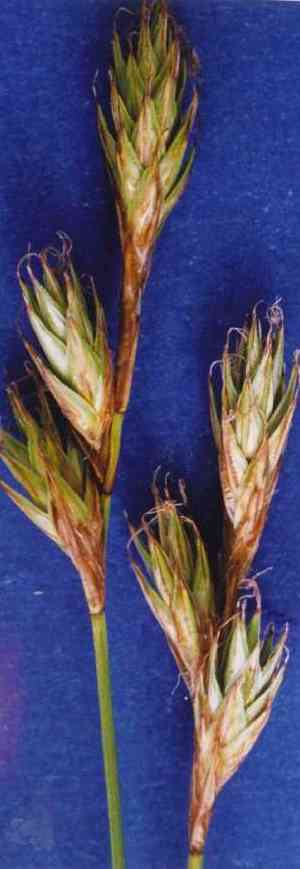
Liddon's sedge is recognized for its outstanding capacity to stop soil degradation.
2
This adaptable flora offers crucial living space for numerous animal types.
3
It flourishes in varied settings, making it a superb inclusion for any landscape.
Why Opt for Liddon's Sedge in Your Garden?
Adaptability and Growth Conditions
A key attribute of Liddon's sedge is its remarkable versatility. This plant flourishes across diverse settings, including both damp and arid environments. Whether your soil is sandy or clay-based, Liddon's sedge can take root with minimal effort. Its resilience to fluctuating weather patterns makes it a dependable option for gardeners facing unpredictable climates.
Minimal Upkeep Requirements
Liddon's sedge is an excellent choice for busy gardeners who lack extensive time for plant care. Once rooted, it demands little in terms of irrigation or nutrients. Its inherent toughness means it's less prone to pests and diseases, lessening the need for chemical treatments and fostering a more organic gardening approach.
Ecological Advantages of Liddon's Sedge
Preventing Soil Erosion
A primary environmental benefit of Liddon's sedge is its efficacy in preventing soil degradation. Its robust root system helps secure soil, especially on inclines or embankments. This not only stabilizes the land but also enhances water absorption and reduces runoff, making it valuable for areas susceptible to erosion.
Supporting Biodiversity
Liddon's sedge plays a vital role in fostering biodiversity. It offers crucial habitat for various wildlife, including insects, birds, and small mammals. By incorporating Liddon's sedge into your garden or local landscape, you contribute to maintaining a balanced ecosystem. Its foliage provides cover and nesting sites, while its seeds and leaves serve as food sources for diverse creatures.
How Liddon's Sedge Enhances Aesthetics and Landscaping
Versatile Landscape Design
Liddon's sedge is not only practical but also adds visual appeal to any landscape. Its elegant, arching leaves provide texture and movement, complementing other garden plants. It integrates well into various garden styles, from rustic to contemporary, and can be utilized in borders, as ground cover, and even in container gardening. Its subtle beauty elevates the overall visual charm of your outdoor space.
Seasonal Appeal
A prominent characteristic of Liddon's sedge is its capacity to offer year-round interest. Its foliage remains attractive through different seasons, providing a dynamic landscape element even during colder months. The plant's changing hues and textures can create a visually engaging garden that evolves with the seasons, keeping your outdoor area vibrant and inviting throughout the year.
What Are the Practical Uses of Liddon's Sedge?
Erosion Control Projects
Liddon's sedge is frequently employed in various erosion control initiatives, owing to its effective soil-stabilizing properties. Landscapers and environmental engineers often plant it along riverbanks, slopes, and construction sites to manage and prevent soil loss. Its deep root system not only helps bind the soil but also aids in the rehabilitation of disturbed areas.
Water Management
Liddon's sedge also assists in managing water catchments and wetlands. Its roots improve soil structure, boosting water retention and decreasing runoff. This makes it valuable for water purification projects and in developing sustainable drainage systems. By planting Liddon's sedge, you can contribute to improved water management practices on your property or in broader community projects.
How to Successfully Establish Liddon's Sedge in Your Garden?
Planting Guidelines
To successfully introduce Liddon's sedge into your garden, begin by selecting a location that meets its growth requirements. Prepare the soil by removing weeds and loosening it with a garden fork. Plant Liddon's sedge at the same depth it was in its container, and water it thoroughly after planting to help it settle. Applying mulch around the plant's base can help retain moisture and suppress weed growth.
Care and Maintenance
Once established, Liddon's sedge requires minimal attention. Water new plants consistently for the initial few months, then reduce frequency as they become rooted. Prune dead or damaged leaves to maintain its appearance and remove any competing weeds. While fertilization is generally not needed, a light application of compost in spring can encourage healthy growth.



