How to Propagate Liddon's sedge?
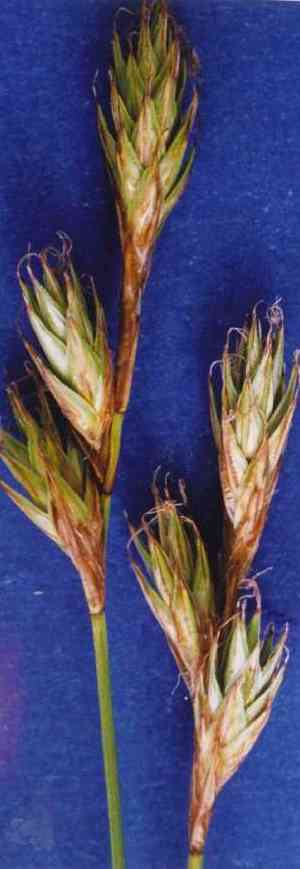
Liddon's sedge mainly reproduces via division, a straightforward approach that fosters its development and efficiently disperses its thick clusters. Gently divide the root masses in early spring when the root systems are robust. Confirm that every segment possesses sufficient roots and a part of the parent plant's leaves. This strategy aids in preserving the well-being and strength of current plants and is perfect for enlarging or regulating their footprint in a landscape.
When Is the Optimal Time to Propagate Liddon's Sedge?
Propagation Method
Separation
Propagation Period
Spring,Autumn
What Implements Are Utilized in Liddon's Sedge Propagation?
Garden Trowel
A garden trowel is vital for excavating around the root structure of liddon's sedge during the separation process. Its compact blade allows for precision when navigating through soil, minimizing harm to the roots. The curved edges and pointed tip facilitate cutting through the earth and effectively separating dense root clumps.
Root Pruning Shears
These shears are essential for cleanly severing the roots of liddon's sedge during division. Their sharp, precise blades ensure cuts are neat and smooth, which is crucial for the plant's recovery and post-propagation health. Smooth cuts help reduce stress and prevent the spread of potential root diseases.
Gardening Fork
A gardening fork is employed to gently lift and loosen the soil surrounding liddon's sedge, making it simpler to extract the plant with minimal root disturbance. Its tines are particularly useful for aerating the soil and carefully teasing apart root balls without causing extensive damage.
Watering Can with a Fine Rose
Following division, liddon's sedge requires gentle irrigation to help settle the soil and eliminate air pockets around the roots. A watering can with a fine rose attachment distributes water evenly and delicately, ensuring that newly planted divisions are not dislodged or buried by strong water flow.
Root Growth Hormone
Applying a root growth hormone to the severed ends of liddon's sedge's roots can significantly enhance root development and establishment in new locations. This hormone stimulates faster root growth, which is crucial for rapid adaptation and reducing transplant shock.
How to Propagate Liddon's Sedge?
Propagation Type
Simple
How to Nurture Your Newly Propagated Liddon's Sedge?
How to Nurture Your Newly Propagated Liddon's Sedge?
After propagation, continue to irrigate liddon's sedge regularly, especially during dry spells, to encourage robust growth. Fertilization is generally not needed as liddon's sedge thrive well in nutrient-poor conditions. Monitor the plants for signs of stress or pests and address them appropriately. Liddon's sedge prefer partial to full sunlight, so ensure they are positioned in optimal lighting conditions. With these care practices, liddon's sedge should establish and flourish in their new environment.
Common Errors to Avoid When Propagating Liddon's Sedge
Excessive watering during rooting
This can lead to root rot, diminishing the chances of successful establishment for liddon's sedge. Overly moist conditions may also encourage fungal diseases.
Utilizing non-sterile propagation mediums
This can introduce pathogens or pests that harm the delicate new starts of liddon's sedge, potentially resulting in poor growth or death.
Deep planting of divisions
Planting the divisions too deeply can cause liddon's sedge to suffer from insufficient air circulation around the root zone, leading to reduced growth and survival rates.
Advice For Propagating Liddon's Sedge
Employ sharp, clean tools
Ensuring all cutting instruments are sharp and sterilized will help prevent damage and infection, promoting healthier starts for liddon's sedge.
Maintain elevated humidity
Keeping the humidity high around the new cuttings or divisions of liddon's sedge helps prevent moisture loss and aids in better root development.
Select a well-draining medium
Opting for a propagation medium that drains effectively will support the healthy root growth essential for liddon's sedge, while preventing issues related to overwatering.



