How to Prune Greater tussock sedge?
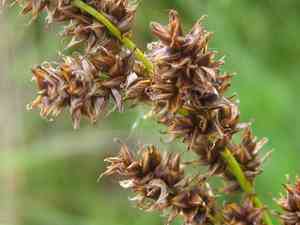
This enduring sedge, recognized for its cluster-forming nature and thick tufts, thrives with consistent trimming to sustain its well-being and strength. Essential trimming methods for greater tussock sedge include eliminating aged, discolored leaves. Trimming should occur in early spring prior to the emergence of new shoots or in winter while the plant is inactive. Removing deceased matter from the plant's foundation enhances air movement, thereby lowering the likelihood of decay. Trimming not only improves its look but can also stimulate more vigorous development.
What Are the Benefits of Pruning Greater Tussock Sedge?
What Are the Benefits of Pruning Greater Tussock Sedge?
Trimming greater tussock sedge encourages robust development and preserves its structural integrity. Regular removal of old or dead leaves promotes new, healthy shoots, ensuring greater tussock sedge continues to flourish while maintaining its inherent clump-like shape.
What Is the Best Time for Pruning Greater Tussock Sedge?
What Is the Best Time for Pruning Greater Tussock Sedge?
Trimming greater tussock sedge in early spring or winter is advantageous as it coincides with the plantâs inactive period. During dormancy, greater tussock sedge has finished its yearly growth cycle, and the reduced foliage makes its structure more visible, allowing for more precise cuts. This timing prevents undue stress on the plant and avoids stimulating new growth that could be harmed by cold temperatures. Additionally, removing dead or diseased material during dormancy helps prevent disease spread, as pathogens are less active. Pruning at these times helps maintain greater tussock sedge's vitality and form, encouraging healthy growth in the subsequent season.
What Tools Do I Need to Prune Greater Tussock Sedge?
Hand Pruners
Perfect for trimming and shaping smaller, accessible parts of greater tussock sedge, where precise cuts are necessary.
Garden Scissors
Useful for snipping through softer, thinner sections of greater tussock sedge, allowing for careful trimming without harming the plant.
Long-Handled Loppers
Effective for reaching into dense clumps of greater tussock sedge to remove thicker stems, while providing the leverage needed for clean cuts.
Pruning Saw
Essential for cutting through the thickest stems of greater tussock sedge, which may be too large for hand pruners or loppers to manage.
Shears
Good for trimming larger areas of greater tussock sedge's foliage quickly and evenly, especially during the thinning process.
How to Prune Greater Tussock Sedge
Prepare tools
Sanitize your pruning shears with rubbing alcohol to prevent the spread of disease when trimming greater tussock sedge.
Identify diseased leaves
Carefully inspect greater tussock sedge to locate diseased leaves, indicated by discoloration, spots, or signs of decay.
Remove diseased leaves
Use the pruning shears to cut diseased leaves at the base where they connect to the main plant, ensuring a clean cut without tearing.
Identify withered leaves
Look for withered or dead leaves on greater tussock sedge, which are typically dry, brown, and brittle.
Remove withered leaves
Trim the withered leaves at their base in the same manner as diseased leaves, ensuring not to damage new growth or green tissue.
Common Pruning Mistakes with Greater Tussock Sedge
Over-pruning
Removing too much foliage from greater tussock sedge can weaken the plant, as it relies on its leaves for photosynthesis and energy storage.
Inappropriate cutting technique
Using dull or unclean tools can damage greater tussock sedge's stems, potentially leading to disease and poor regrowth.
Neglecting dead or diseased material
Failing to remove dead or diseased foliage can hinder greater tussock sedge's growth and spread pathogens throughout the garden.
Pruning live material excessively
Cutting back too much live material can cause stress to greater tussock sedge, limiting its ability to thrive.
Ignoring the plant's natural shape
Pruning without considering greater tussock sedge's natural form can lead to an unsightly appearance and harm the plant's structure.
Common Pruning Tips for Greater Tussock Sedge
Sharp and clean tools
Always use sharp, clean pruning shears to ensure clean cuts and reduce the risk of disease transmission.
Selective pruning
Focus on removing only the dead or damaged foliage to maintain greater tussock sedge's health and natural form.
Taking care with new growth
Avoid cutting into the new growth of greater tussock sedge to prevent damage and to preserve the plantâs vigor.
Maintaining plant structure
Prune greater tussock sedge in a way that maintains its natural tussock shape and encourages airflow, which can help prevent disease.
Post-pruning care
After pruning, provide greater tussock sedge with appropriate care, such as watering and fertilization, to support recovery and robust growth.



