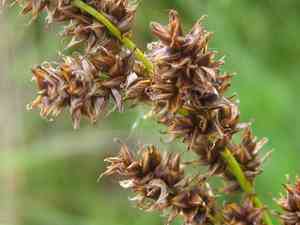
Greater tussock sedge (Carex paniculata)
Also known as: Panicled sedge
The common cattail is a perennial plant that thrives in wet, muddy environments. It is frequently chosen as a marginal plant for ponds. Once established, the common cattail is hardy and offers excellent habitat for aquatic wildlife.
In This Article
Attributes of Greater tussock sedge
Lifespan
Perennial
Plant Type
Grass
Plant Height
1.5 m
Spread
1 m
Leaf Color
Green
Flower Size
5 cm to 15 cm
Flower Color
Yellow Green Purple Brown Black
Images of Greater tussock sedge
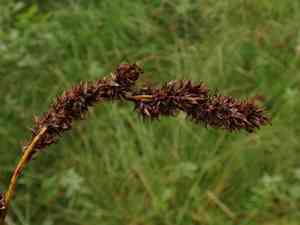
Quickly Identify Greater tussock sedge
1
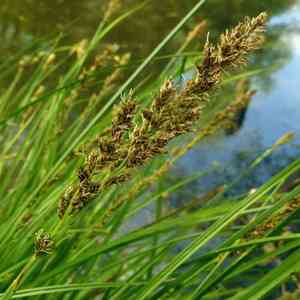
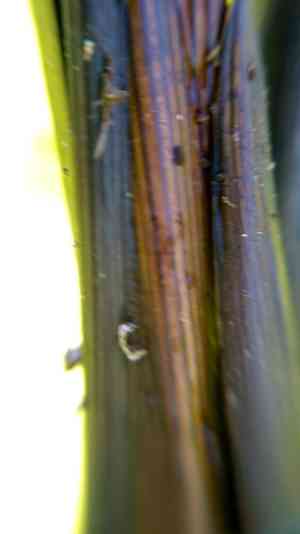
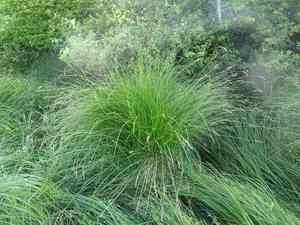
Carex paniculata can be identified by its tall, densely tufted clumps and sharp-edged, grass-like leaves. The stem is typically triangular in cross-section, and the plant produces drooping, branched inflorescences (flower clusters) during its flowering season.
Scientific Classification of Greater tussock sedge
Phylum
Vascular plants
Class
Monocotyledons
Order
Poales
Family
Sedge
Genus
True sedges
Species
Greater tussock sedge
Planting and Growing of Greater tussock sedge
Care Difficulty
Easy
Watering Schedule
Every 8 days
Sunlight Requirements
Partial sun
Sunshine Duration
4-6 hours
Ideal Temperature
60-75℉
Soil Type
Potting Mix, Peat Mix
Soil pH
6.5-7.5
Fertilizer Type
Balanced
Pruning Season
Spring, Summer
Pruning Area
Branches, Leaves
Pruning Frequency
2 times a year
Repotting Season
Spring
Pot Type
Ceramic, Plastic
 How to Water Greater tussock sedge?
For Carex paniculata, the watering amount should ensure that the soil is consistently moist but not waterlogged. It's crucial to water until excess starts to drain, ensuring the soil is saturated to a depth of around 10-15 centimeters. This mimics its natural marshy habitat.
What are the symptoms of an underwatered Greater tussock sedge?
›
What should I do if my Greater tussock sedge is not getting enough water?
›
What are the symptoms of an overwatered Greater tussock sedge?
›
How to save an overwatered Greater tussock sedge?
›
 What Are the Sunlight Requirements for Greater tussock sedge?
Carex paniculata enjoys a mix of partial sun and shade, thriving under 4 to 6 hours of filtered sunlight daily. Ideal lighting enhances foliage density, supports healthy growth, and enriches its ornamental appeal.
More About Sunlight Requirements Techniques→
How much sunlight does Carex paniculata need?
›
What are the solutions to ensure ideal lighting for Carex paniculata?
›
What benefits does ideal lighting provide to Carex paniculata?
›
 What Is the Ideal Temperature Range for Greater tussock sedge?
The ideal temperature range for growing Carex paniculata is between 60°F and 75°F. This range provides optimal conditions for growth, allowing the plant to photosynthesize efficiently without being stressed by excessive heat or cold. Maintaining these conditions ensures robust and healthy development, minimizing risks of diseases or structural weakness.
 What Soil is Best for Greater tussock sedge?
Carex paniculata thrives in soils that can retain moisture effectively. This is crucial as it helps maintain the plant's hydration, promoting robust growth and lush foliage. Loamy and peat soils are particularly good for achieving this balance. Ideal soil for Carex paniculata should be rich in organic matter, providing essential nutrients for growth. A nutrient-rich environment encourages healthy root development and vibrant plant color. While moisture retention is important, ensuring that excess water can drain away is crucial to prevent root rot. Sandy loam is a great choice, offering both drainage and moisture-holding capabilities.
 How to Fertilize Greater tussock sedge?
Carex paniculata, commonly known as greater tussock-sedge, benefits from balanced nutrient supply without the need for heavy fertilizer doses. Typically, a balanced 10-10-10 or a similar NPK formula is quite sufficient. Use about 5 grams of such a formula per square meter, which ensures steady growth without overwhelming the plant’s delicate roots.
 How to Prune Greater tussock sedge?
Start by removing any dead or damaged reeds at the base using sharp pruning shears. Follow the natural shape of the plant to maintain its ornamental appeal. Be careful to leave the central growing point intact for healthy regrowth. Every couple of years, cut back the entire plant to about 4-6 inches above ground level in early spring. This drastic method rejuvenates the plant, encouraging new, healthier growth and preventing the development of a tangled mass.
More About Pruning Techniques→
 How to Propagate Greater tussock sedge plant?
1
Collect Carex paniculata seeds in late autumn before the onset of winter. Clean the seeds and sow them in small pots or trays filled with seed-sowing compost.
2
Divide the parent plant by lifting it from the ground and carefully splitting the root ball into sections. Each division should have several leaves and roots for successful growth.
3
Once seedlings or divisions have established roots, transplant them to larger pots or their final location. Ensure the planting site has adequate drainage and is not prone to waterlogging.
 How to Repot Greater tussock sedge plant?
1
Observe for signs like overcrowded roots or poor drainage. If water seems to linger at the surface or roots start emerging from the drainage holes, it's time to repot. Spring and autumn are ideal times as the plant can recover easily.
2
Select a pot that is 1-2 inches larger in diameter than the current one. Ensure it has adequate drainage to prevent waterlogging. A correctly sized pot supports healthy root development and prevents root rot.
3
Opt for soil that retains moisture but drains well, such as a peat-based mix. This type of soil provides essential nutrients while allowing excess water to escape, preventing root suffocation.



