The Greater tussock sedge Plant Advantage: Maximizing Home and Office Appeal and Wellness
1
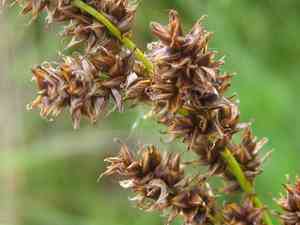
Greater tussock sedge flourishes in moist habitats, making it perfect for aquatic gardens.
2
This species is highly effective for securing soil and preventing erosion.
3
Greater tussock sedge offers vital refuge and sustenance for local fauna.
Why Greater Tussock Sedge is a Superb Garden Addition
Enhances Soil Stability
One of the most notable advantages of Greater tussock sedge is its capacity to stabilize soil. Its dense root system acts as a natural barrier, reducing erosion risk and keeping soil in place. This makes it an excellent choice for areas prone to runoff and soil degradation.
Flourishes in Moist Environments
Greater tussock sedge is well-suited to damp conditions such as ponds, marshlands, and water gardens. Unlike many plants that struggle in these settings, Greater tussock sedge thrives, bringing greenery and vitality to otherwise challenging landscapes.
How Greater Tussock Sedge Benefits Local Wildlife
Offers Sanctuary and Protection
Greater tussock sedge creates a natural habitat for various wildlife species. Its thick, tussock-forming growth pattern provides shelter and protection for small animals and birds, helping to maintain a balanced ecosystem.
Serves as a Nutritional Source
Beyond providing shelter, Greater tussock sedge acts as a food source for certain wildlife species. The plant's seeds and foliage are consumed by various insects and birds, contributing to the local food web and promoting biodiversity.
Can Greater Tussock Sedge Improve Water Quality?
Natural Purification
Greater tussock sedge possesses a unique ability to enhance water quality through natural filtration. Its roots can trap and absorb pollutants, sediments, and excess nutrients, contributing to cleaner water in the surrounding environment.
Algal Bloom Management
By absorbing surplus nutrients, Greater tussock sedge can help prevent algal blooms that degrade water quality and deplete oxygen levels. This makes it an excellent addition to ponds, lakes, and wetlands susceptible to nutrient overload.
What Are the Aesthetic Advantages of Greater Tussock Sedge?
Adds Texture and Form
Greater tussock sedge contributes unique texture and structure to garden designs. Its tall, graceful blades and dense clumps can serve as focal points or provide contrast when mixed with other plants.
Year-Round Visual Appeal
Greater tussock sedge offers continuous visual interest, with its changing colors and forms throughout the seasons. In spring and summer, the bright green blades are vibrant, while in fall and winter, the plant turns a golden-brown, adding beauty to the landscape even in colder months.
How to Grow Greater Tussock Sedge in Your Garden
Ideal Growing Conditions
Greater tussock sedge prefers wet, slightly acidic soils and can thrive in full sun to partial shade. These conditions mimic its natural habitat, promoting healthy growth and robust foliage.
Planting and Care Advice
When planting Greater tussock sedge, space the plants about 2 feet apart to allow for growth and spread. Regular watering is essential, especially in drier periods, to maintain the plant's health. Minimal maintenance is required once established, making it a low-effort yet rewarding addition to any outdoor space.



