How to Prune Chamisso sedge?
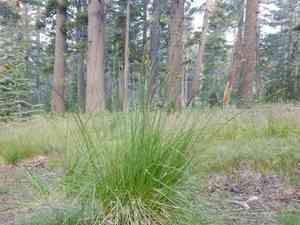
Chamisso sedge, a resilient perennial, flourishes with little upkeep yet greatly profits from deliberate trimming to preserve its vitality and look. The perfect times for pruning are in early spring or late winter, preparing it for fresh development. This process entails cutting back aged or lifeless leaves at the plant's base, which stimulates strong growth and prevents excessive density. Thoughtful removal improves air movement, lowers the chances of illness, and fosters sturdy well-being, boosting both its environmental worth and visual charm.
Advantages of Trimming Chamisso Sedge
Advantages of Trimming Chamisso Sedge
Trimming chamisso sedge promotes robust development and preserves its form. Consistent cutting helps revitalize chamisso sedge, ensuring thick, vibrant foliage and an attractive shape. This is vital for both visual appeal and the plant's overall health.
Optimal Time for Trimming Chamisso Sedge
Optimal Time for Trimming Chamisso Sedge
Trimming chamisso sedge in early spring is perfect as it readies the plant for new growth by eliminating dead or damaged leaves from winter, boosting both its health and aesthetic appeal. Furthermore, early spring trimming allows gardeners to shape the plant before the growth season begins, ensuring it can direct energy into new, healthy growth effectively. Winter trimming, when the plant is inactive, is beneficial for similar reasons; it's a period when cutting back the plant won't disrupt its growth cycles, as active growth is minimal. Additionally, the absence of foliage during this dormant period offers better visibility and access for thorough trimming.
Tools Required for Trimming Chamisso Sedge
Hand Pruners
Suitable for cutting thin stems and dead leaves of chamisso sedge. Their sharp blades create clean cuts, fostering healthy regrowth.
Grass Shears
Perfect for shaping and maintaining the dense, clumping habit of chamisso sedge. They allow precise control over the trimming process.
Gardening Scissors
Useful for detailed trimming and deadheading of chamisso sedge. Their fine blades are ideal for reaching tight spaces within clumps.
How to Trim Chamisso Sedge
Identify
Identify and assess the condition of chamisso sedge. Carefully examine the foliage to pinpoint parts showing signs of disease or visible wilting.
Prepare
Prepare appropriate tools for trimming chamisso sedge. Use sharp, clean scissors or shears to ensure precise cuts and prevent disease spread.
Trim
Trim diseased and withered leaves from chamisso sedge. Cut each unhealthy leaf back to the base near the plant's central crown, being careful not to harm healthy foliage.
Dispose
Properly dispose of the removed leaves to prevent disease recurrence in chamisso sedge. Do not compost diseased material; instead, remove it from the area and dispose of it securely.
Monitor
Regularly monitor chamisso sedge after trimming for signs of new growth or recurring health issues. Maintain consistent moisture and avoid water stress to encourage healthy development.
Common Trimming Errors with Chamisso Sedge
Over-trimming
Gardeners, both new and experienced, might mistakenly remove too much foliage from chamisso sedge, believing it stimulates new growth. However, excessive trimming can stress the plant, leading to poor growth and reduced vigor.
Improper tool use
Using dull or unclean trimming tools can create jagged cuts that harm chamisso sedge and attract pests or diseases. It's essential to use sharp, clean shears for clean cuts that heal quickly.
Trimming healthy tissue
Another common mistake is removing healthy foliage and stems instead of only targeting dead or damaged tissue. This not only weakens chamisso sedge, but it also diminishes its lush appearance and natural shape.
General Trimming Advice for Chamisso Sedge
Selective trimming
Focus on selectively removing dead or damaged foliage from chamisso sedge to help maintain its health and appearance. This method encourages a more natural growth form, enhancing both aesthetics and the plant's general well-being.
Annual thinning
Perform mild thinning of chamisso sedge's foliage annually to improve air circulation within the plant, which lowers the risk of fungal diseases. This is especially important in denser clumps and helps maintain vigor and promote healthy new growth.
Post-flowering care
After chamisso sedge has finished its flowering period, trim away spent flower stalks, encouraging it to redirect energy back to root and foliage development. This routine maintenance aligns with its growth cycle and aids in preparation for the next bloom cycle.



