How to Propagate Chamisso sedge?
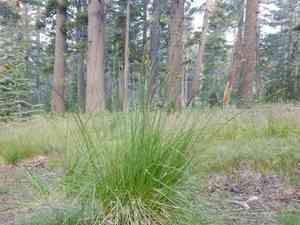
Chamisso sedge, a species within the Carex genus, flourishes when reproduced via separation. This technique entails meticulously dividing the root masses in either early spring or late fall, periods when robust development guarantees rapid integration. Verify that every segment possesses sufficient roots and foliage to facilitate successful re-establishment. Promptly embed the divisions at a depth comparable to their former cultivation environment, and sustain steady hydration to foster strong development.
Optimal Time for Chamisso Sedge Propagation?
Propagation Method
Splitting
Propagation Period
Spring,Autumn
Tools for Chamisso Sedge Propagation
Spade or Sharp Garden Knife
Utilized for cutting through the earth and root mass during the splitting of chamisso sedge. A precise, clean cut is vital to minimize root damage, encouraging faster recovery and post-division growth.
Garden Fork
Aids in gently lifting chamisso sedge from the ground without excessive root disturbance. The design of a garden fork, with its broad, flat tines, is perfect for loosening soil around the root zone, making division easier and safer.
Watering Can with a Fine Rose
Ensures gentle irrigation of chamisso sedge following transplantation. The fine rose attachment helps distribute water evenly without disrupting the soil or newly planted divisions, essential for initial root establishment in their new location.
Rooting Hormone (optional)
Though not mandatory, applying a rooting hormone to the cut root sections can boost root growth and establishment for chamisso sedge. This is especially helpful if divisions appear stressed or are propagated in suboptimal soil conditions.
Potting Mix or Soil Conditioner
Enhances soil structure and supplies vital nutrients needed for newly divided chamisso sedge to establish. Well-draining, nutrient-rich substrates support healthier root growth and overall plant vigor during the crucial post-propagation phase.
How to Propagate Chamisso Sedge?
Propagation Type
Simple
Caring for Newly Propagated Chamisso Sedge
Caring for Newly Propagated Chamisso Sedge
Post-propagation, maintain consistently moist but not waterlogged soil, as chamisso sedge thrives in well-drained environments. The plant prefers partial to full sun, so consider its placement when observing growth. During the active growing season, apply a balanced fertilizer to support healthy development. Monitor for pests and diseases, treating as needed to maintain plant health.
Common Errors to Avoid When Propagating Chamisso Sedge
Overwatering
Excessive watering can lead to root rot and fungal issues, severely impacting chamisso sedge's health. Too much moisture in the soil prevents roots from breathing, causing decay.
Using poor draining soil
Soil that drains poorly retains too much moisture, potentially causing root rot in chamisso sedge. Chamisso sedge requires well-draining soil to prevent water accumulation around its roots.
Deep planting
Planting chamisso sedge too deeply can suffocate its roots and hinder proper growth. The rhizomes of chamisso sedge need to be near the soil surface for effective establishment and spread.
Ignoring plant division timing
Dividing chamisso sedge at an inappropriate time can impede its recovery and growth. Division is crucial for propagation but must be timed correctly to ensure plant health.
Tips For Propagating Chamisso Sedge
Use well-draining soil
Plant chamisso sedge in a well-draining soil mixture to facilitate proper water drainage and prevent root rot.
Provide adequate moisture but not too much
While chamisso sedge needs moist conditions, it's vital to avoid overwatering. Ensure the soil is damp but not saturated to support healthy growth.
Surface planting for rhizomes
When propagating chamisso sedge via rhizomes, ensure they are not buried too deeply. Planting them just beneath the surface allows for easy sprouting and healthy root development.
Propagate through division in appropriate conditions
Divide chamisso sedge carefully to prevent damage to the root system, ensuring each division has a portion of the rhizome and some foliage to encourage quick recovery and growth.



