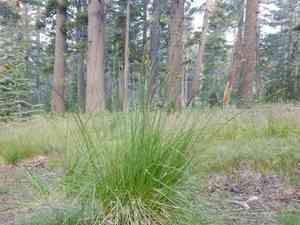
Chamisso sedge (Carex pachystachya)
Also known as: Thickspike Sedge
Chamisso sedge (Carex pachystachya) stands out as an ornamental plant ideal for arid conditions due to its superior drought resistance compared to many other sedge species. It forms dense clumps, making it perfect for use in mass plantings or as ground cover. Named after the German botanist Adelbert von Chamisso (1781-1838), this sedge is well-suited for dry environments.
In This Article
Attributes of Chamisso sedge
Lifespan
Perennial
Plant Type
Grass
Plant Height
1.07 m
Spread
30 cm to 61 cm
Leaf Color
Green
Flower Size
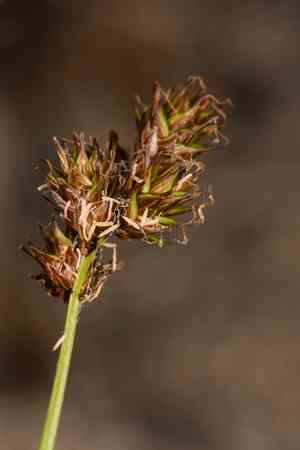
Flowers are small and form dense spikes, typically the spikes are 1-3 cm long
Flower Color
Yellow Green Brown
Images of Chamisso sedge
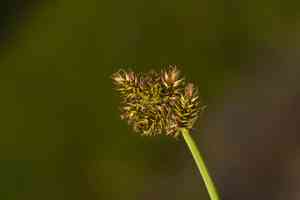
Quickly Identify Chamisso sedge
1
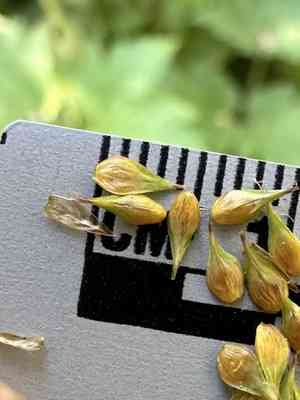
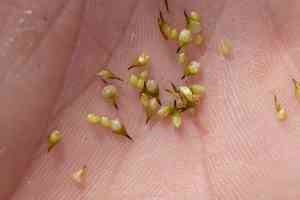
Identify Carex pachystachya by its dense, cylindrical spikes of flowers that form at the ends of its stems. The leaves are narrow and grass-like, often with a glossy appearance.
Scientific Classification of Chamisso sedge
Phylum
Vascular plants
Class
Monocotyledons
Order
Poales
Family
Sedge
Genus
True sedges
Species
Chamisso sedge
Planting and Growing of Chamisso sedge
Care Difficulty
Easy
Watering Schedule
Every 2 days
Sunlight Requirements
Partial sun
Sunshine Duration
6-10 hours
Ideal Temperature
65-75℉
Soil Type
Potting Mix, Peat Mix
Soil pH
6.5-7.5
Fertilizer Type
Balanced
Pruning Season
Spring, Summer
Pruning Area
Branches, Leaves
Pruning Frequency
2 times a year
Repotting Season
Spring
Pot Type
Plastic, Ceramic
 How to Water Chamisso sedge?
For Carex pachystachya, the watering amount should be consistent and moderate. Aim to keep the soil consistently moist, but not waterlogged. Pour approximately 250 ml of water gently onto the soil until it feels damp to the touch but ensure you avoid pooling of water on the surface.
What are the symptoms of an underwatered Chamisso sedge?
›
What should I do if my Chamisso sedge is not getting enough water?
›
What are the symptoms of an overwatered Chamisso sedge?
›
How to save an overwatered Chamisso sedge?
›
 What Are the Sunlight Requirements for Chamisso sedge?
Carex pachystachya ideally requires partial sun, which means moderate exposure to sunlight. Achieving this balance enhances its photosynthetic efficiency, allowing robust growth and vibrant foliage while avoiding the stress of sunburn.
How can Carex pachystachya achieve its ideal lighting conditions?
›
What are the specific measures to ensure ideal lighting for Carex pachystachya?
›
What benefits does Carex pachystachya gain from ideal lighting?
›
 What Is the Ideal Temperature Range for Chamisso sedge?
Carex pachystachya thrives best in temperatures ranging between 65°F and 75°F. This range allows the plant to effectively conduct photosynthesis, maintain its metabolic processes, and exhibit healthy growth patterns. Uniform warmth also ensures that the plant's physiological activities are not disrupted, contributing to overall plant vigor and resilience.
 What Soil is Best for Chamisso sedge?
Carex pachystachya thrives best in well-drained soils which prevent waterlogging, ensuring the roots get ample oxygen and nutrients leading to a healthier growth of this grass. Despite needing well-drained soils, Carex pachystachya prefers soils that can retain some moisture, as this helps maintain consistent hydration necessary for its lush green appearance. A nutrient-rich soil filled with organic matter benefits Carex pachystachya by promoting vigorous growth and enhancing its resilience against pests and diseases.
 How to Fertilize Chamisso sedge?
Carex pachystachya typically requires a balanced fertilizer application. For liquid fertilizers, use a half-strength solution to prevent over-fertilization. When using slow-release fertilizer, apply 2 teaspoons per square foot around the plant. These amounts ensure that the plant receives necessary nutrients without the risk of nutrient burns.
 How to Prune Chamisso sedge?
Inspect the plant and identify any brown or dead leaves and stems. Removing these will not only improve the plant's appearance but also help prevent pests and diseases. Using pruning shears, cut back any overgrown sections to maintain the desired size and shape of the plant. Focus on older growth to encourage new shoots. Collect and dispose of the clippings to prevent any potential pest infestations or disease spread in your garden. Composting is a good way to recycle the organic waste.
More About Pruning Techniques→
 How to Propagate Chamisso sedge plant?
1
To propagate Carex pachystachya from seeds, start by filling seed trays with a sterile potting mix. Sow the seeds on the surface and lightly cover them with a thin layer of soil. Keep the soil moist until the seeds germinate, usually within a couple of weeks.
2
For division propagation, water the plant a day before dividing to ease the process. Gently remove the plant from the ground and shake off excess soil. Cut the root mass into sections, ensuring each has viable roots and shoots.
3
Transplant the divisions into prepared garden beds or containers. Ensure the soil is well-draining and amend with organic matter. Water thoroughly after planting and keep the divisions moist until they establish new growth.
 How to Repot Chamisso sedge plant?
1
Carex pachystachya should be considered for repotting when its roots start crowding the pot. This often manifests as a noticeable bulging of the roots above the soil surface or roots growing out of the drainage holes. Additionally, reduced growth or yellowing leaves can also be signs that your plant needs more space and is due for a new pot.
2
Selecting the right pot is crucial for the health of Carex pachystachya. Choose a pot that's one size larger than the current one, ensuring it has proper drainage holes. This allows excess water to escape, preventing root rot. The material can be ceramic or plastic, but ensure it's sturdy enough to hold the soil and plant without tipping over.
3
For Carex pachystachya, a well-draining and slightly acidic soil mix is ideal. Using a blend of potting soil mixed with perlite or sand can ensure the roots get sufficient oxygen and prevent waterlogging. The right soil will promote healthy growth and adequate moisture retention without drowning the roots.



