How to Prune Mud sedge?
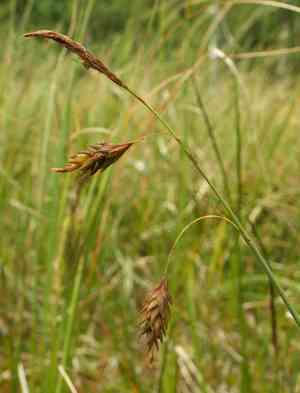
Carex limosa, recognized for its affinity for marshy environments, needs infrequent trimming to eliminate aged or compromised leaves. The most effective time for pruning is in early spring or during winter to sustain the plant's vitality and strength. Throughout these periods, meticulously cut back any discolored or withered foliage near the ground. This targeted trimming not only neatens Carex limosa but also stimulates fresh development, guaranteeing a vigorous specimen for the subsequent growing cycle. Consistently clearing away detritus from the plant's foundation helps avert fungal problems.
What Are the Benefits of Pruning Mud Sedge?
What Are the Benefits of Pruning Mud Sedge?
Trimming mud sedge encourages robust development and helps preserve its desired form. Strategic cuts can reallocate energy to healthier sections, fostering a strong structure for mud sedge.
What Is the Best Time for Pruning Mud Sedge?
What Is the Best Time for Pruning Mud Sedge?
Pruning mud sedge in early spring is advantageous as it aligns with the start of the plant's active growth phase, allowing mud sedge to quickly recover from cuts and promote vigorous new growth. Additionally, in early spring, the plant remains dormant, and without leaves, its structure is more visible for precise cuts. Winter pruning is also recommended during dormancy, significantly lowering the risk of stress and disease spread for mud sedge. Furthermore, trimming mud sedge before new growth emerges ensures the plant's energy is directed toward developing new shoots and flowers in the upcoming growing season.
What Tools Do I Need to Prune Mud Sedge?
Hand Pruners
Perfect for cutting thinner, softer stems of mud sedge. Their sharp blades create clean cuts that help prevent harm to the plant's delicate structure.
Gardening Scissors
These are useful for precise trimming and shaping of mud sedge, especially for reaching into thick clusters without damaging surrounding foliage.
Garden Shears
For tidying up larger clumps of mud sedge, garden shears enable quick, uniform trimming across the plant's grass-like leaves.
How to Prune Mud Sedge
Cleaning
Before pruning mud sedge, ensure your tools are clean and sharp to prevent disease transmission.
Identification
Carefully examine mud sedge to pinpoint diseased and withered leaves that require removal.
Removal
Using your pruning shears, snip diseased and withered leaves at their base where they emerge from the rhizome to encourage healthy growth.
Disposal
Dispose of removed foliage far from the garden area to prevent the spread of any potential diseases.
Inspection
After pruning, check mud sedge for any signs of stress and confirm it has adequate space for light and air circulation.
Common Pruning Mistakes with Mud Sedge
Over pruning
Removing too much foliage from mud sedge can stress the plant, leading to stunted growth or illness. Mud sedge requires only minimal pruning.
Cutting live growth
Pruning live or green foliage can harm mud sedge's growth. Focus on removing dead or damaged leaves only.
Uneven cuts
Making uneven or jagged cuts can leave mud sedge susceptible to diseases. Use sharp tools to make clean cuts.
Using dirty tools
Pruning mud sedge with dirty tools can introduce pathogens. Clean and disinfect tools before use.
Neglecting pruning
Although mud sedge is low-maintenance, completely neglecting to remove dead or decaying matter can lead to fungal issues and poor plant health.
Ignoring plant structure
Failure to understand mud sedge's growing patterns may result in improper pruning that fails to encourage its natural shape and vigor.
Common Pruning Tips for Mud Sedge
Minimal pruning
Since mud sedge thrives with minimal interference, prune sparingly to maintain its natural shape and remove only dead or damaged leaves.
Dead leaf removal
Regularly check for and gently remove dead leaves from mud sedge, which will help maintain its appearance and health without extensive pruning.
Sharp tools
Always use sharp, clean pruning shears or scissors to ensure quick healing and reduce the risk of disease transmission to mud sedge.
Prune for airflow
When pruning mud sedge, aim to thin out dense areas subtly, which can improve airflow and reduce the chance of disease.
Post-pruning care
After pruning mud sedge, provide it with suitable care, such as watering and a proper substrate, to support recovery and continued growth.
Recognition of growth
Understand the growth habit of mud sedge to prune in a way that complements its natural tendencies, enhancing both aesthetic and health.



