How to Propagate Mud sedge?
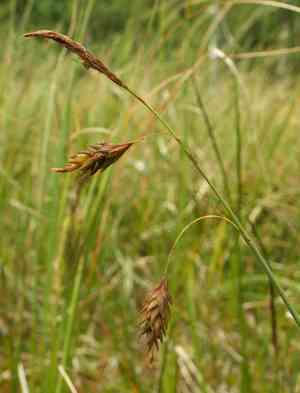
Mud sedge flourishes in damp, marshy environments, characteristic of its native regions. Its most effective propagation method involves division, a technique beneficial for preserving the vitality and robustness of the cluster. Gently separate the root mass, making certain that every segment possesses sufficient roots and sprouts for successful regrowth. Immediately place the divided portions into moisture-holding soil to foster rapid root formation and lessen the impact of transplantation. This strategy facilitates the healthy development and spread of mud sedge in an appropriate garden environment or ecological restoration endeavor.
When Is the Best Time to Multiply Mud Sedge?
Method of Reproduction
Division
Reproduction Period
Spring,Autumn
What Tools Are Needed for Mud Sedge Propagation?
Sharp Gardening Knife
A keen gardening blade is vital for cleanly severing the root mass of mud sedge during division, minimizing harm and stress to the plant. It ensures precise cuts, boosting the propagation success rate by encouraging faster recovery and root establishment in individual sections.
Garden Fork
Utilized for gently lifting mud sedge from the ground without causing extensive root damage. Its tines help penetrate and loosen the soil around the plant, aiding the division process without harming delicate roots. This tool is essential for maintaining plant health during division.
Watering Can with a Fine Rose
Following division and replanting, a watering can equipped with a fine rose attachment is perfect for delivering a gentle spray of water that won't disturb the newly planted mud sedge divisions. This supports adequate moisture levels necessary for recovery and root development in their new setting.
Potting Mix
A premium potting mix suitable for bog plants offers the required soil structure and nutrients for mud sedge after division. This specialized growing medium supports healthy root growth and water retention, crucial for the adaptation and thriving of the newly propagated plants.
Labels and Markers
These are employed for identifying and tracking new mud sedge divisions. Proper labeling assists in monitoring growth and development, enabling effective care and maintenance of each propagated segment.
How to Propagate Mud Sedge?
Propagation Type
Easy
How to Care for Your Newly Propagated Mud Sedge?
How to Care for Your Newly Propagated Mud Sedge?
After propagating mud sedge, continue to maintain high soil moisture and provide partial shade to mimic its natural environment. Avoid over-fertilization which can harm the sensitive roots. As a slow-growing species, mud sedge may take some time to establish fully, so patience is key. Regularly check the plant for signs of stress and adjust care accordingly to ensure health and vitality.
Common Mistakes to Avoid When Propagating Mud Sedge
Overwatering during Establishment
Excessive watering of mud sedge during the initial propagation phases can lead to root rot and fungal diseases, as mud sedge naturally thrives in moist, but not waterlogged, conditions. Too much water eliminates crucial air pockets in the soil needed for root growth, resulting in poor plant development or death.
Using Dense Soil
Propagating mud sedge in very compact or clay-rich soil can impede its growth. This soil type obstructs proper water drainage and aeration, which are critical for mud sedge roots to develop effectively and absorb nutrients.
Ignoring pH Levels
Failure to maintain slightly acidic to neutral soil conditions can impact the survival rate of mud sedge. This plant prefers specific pH levels, and not adjusting the soil accordingly can hinder its growth and nutrient uptake.
Tips For Propagating Mud Sedge
Use a Suitable Substrate
It is crucial to use a substrate that imitates mud sedge's natural boggy habitat. A blend of sand, peat, and loamy soil not only ensures good drainage but also supports moisture retention, creating an ideal environment for root formation.
Provide Optimal Humidity
Maintaining high humidity around mud sedge during propagation can boost rooting success. This can be achieved by covering the propagation area with a plastic sheet or using a humidity dome that traps moisture in the air.
Regular Check on Moisture Level
Consistently checking the soil moisture helps ensure that mud sedge is growing under optimal conditions. The soil should remain moist but not waterlogged, aligning with the plantâs natural wetland habitat.



