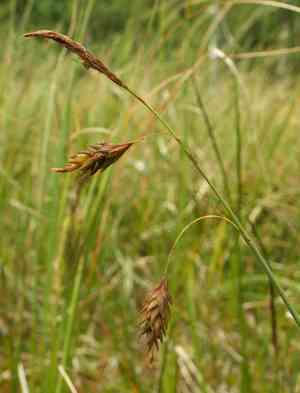
Mud sedge (Carex limosa)
Also known as: None
Mud sedge is a perennial plant commonly found in temperate zones. It thrives in wet, open environments, particularly favoring peat bogs and higher elevations. Additionally, it serves as a host for various butterflies and moths, such as the Umber Skipper and Mountain Beauty moth.
In This Article
Attributes of Mud sedge
Lifespan
Perennial
Plant Type
Grass
Plant Height
20 cm to 61 cm
Spread
N/A
Leaf Color
Green
Flower Size
N/A
Flower Color
White Yellow Green Brown
Images of Mud sedge
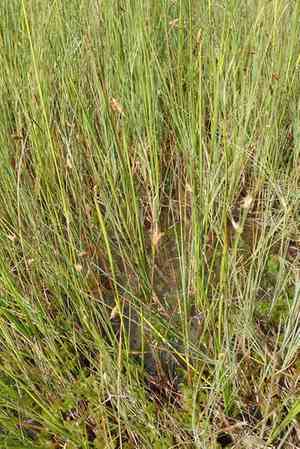
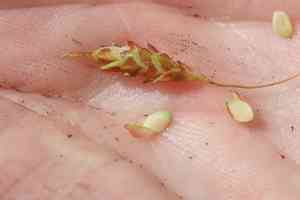
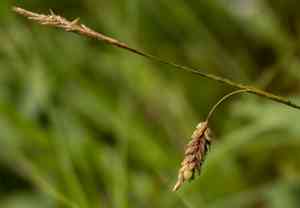
Quickly Identify Mud sedge
1
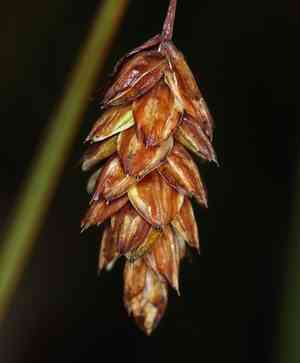
To identify Carex limosa, look for its distinctive triangular stem and grass-like leaves. The plant has a loose inflorescence with drooping spikes. The perigynia, which are the urn-like structures surrounding the seeds, are oblong and taper to a beak.
Scientific Classification of Mud sedge
Phylum
Vascular plants
Class
Monocotyledons
Order
Poales
Family
Sedge
Genus
True sedges
Species
Mud sedge
Planting and Growing of Mud sedge
Care Difficulty
Hard
Watering Schedule
Every 4 days
Sunlight Requirements
Partial sun
Sunshine Duration
4-6 hours
Ideal Temperature
59-77℉
Soil Type
Potting Mix, Peat Mix
Soil pH
3.5-6
Fertilizer Type
Balanced
Pruning Season
Spring, Summer
Pruning Area
Branches, Leaves
Pruning Frequency
2 times a year
Repotting Season
Spring
Pot Type
Plastic, Ceramic
 How to Water Mud sedge?
For Carex limosa, the watering amount should be substantial enough to maintain consistently moist soil, as this plant thrives in wetland conditions. Water until the soil is thoroughly moistened, allowing excess water to drain out to avoid waterlogging, which can lead to root rot.
What are the symptoms of an underwatered Mud sedge?
›
What should I do if my Mud sedge is not getting enough water?
›
What are the symptoms of an overwatered Mud sedge?
›
How to save an overwatered Mud sedge?
›
 What Are the Sunlight Requirements for Mud sedge?
Partial sun conditions, receiving around 4-6 hours of light, are ideal. This balance helps Carex limosa maintain its lush appearance and robust structure without exposure to harsh elements.
More About Sunlight Requirements Techniques→
Question 1
›
Question 2
›
Question 3
›
 What Is the Ideal Temperature Range for Mud sedge?
The ideal temperature range for cultivating Carex limosa is between 59°F and 77°F. This range ensures optimal growth and health of the plant, providing balanced warmth and moisture conditions that mimic its natural habitat. Maintaining temperatures within this range supports vigorous foliage development and proper root function. The specified range helps minimize stress and maximizes the plant's photosynthetic efficiency. By keeping within this optimal temperature range, you can enhance the plant's resilience against pests and diseases.
 What Soil is Best for Mud sedge?
Carex limosa thrives in soil that has high moisture retention capabilities. This enhances its growth since it mimics the natural wetland habitats where it originates, ensuring the plant remains hydrated and healthy. This plant benefits from soil rich in organic matter. Such soil provides the essential nutrients that fuel its growth, ensuring that Carex limosa develops robustly and maintains its vibrant green foliage. Carex limosa prefers acidic soil conditions. The acidity helps in the proper uptake of nutrients necessary for its growth, promoting lush and vigorous plant development.
 How to Fertilize Mud sedge?
For Carex limosa, the recommended amount of liquid fertilizer is approximately 1 tablespoon per gallon of water. When using slow-release fertilizers, evenly distribute about 1/4 cup of fertilizer granules around the root zone. Be cautious not to exceed these amounts to prevent nutrient overload.
 How to Prune Mud sedge?
Start pruning Carex limosa by checking the plant for dead or brown leaves. Use sharp shears to remove these at the base. Trim back the foliage by a third to encourage denser growth. Ensure even pruning for a symmetrical appearance. After pruning, water the plant to help it recover and incorporate a light layer of mulch around the base to retain moisture. For best results, prune Carex limosa in early spring before new growth emerges, and again in early summer. Avoid pruning too late in the autumn as this can limit the plant’s ability to harden off before winter sets in.
More About Pruning Techniques→
 How to Propagate Mud sedge plant?
1
Begin by filling seed trays with a well-draining soil mix. Scatter the seeds of Carex limosa evenly on the surface, then lightly cover them with a thin layer of soil. Water the trays gently to keep the soil moist, but avoid waterlogging.
2
Choose a healthy, mature Carex limosa plant for division. Water the plant the day before to make the process easier. Carefully dig up the entire root ball using a garden spade and gently separate the clumps into smaller sections with healthy roots.
3
For division propagation, plant each section into individual pots or directly into the ground. Ensure each division has a sufficient section of the root system. Firm the soil around the divisions and water thoroughly to help settle the soil.
 How to Repot Mud sedge plant?
1
Carex limosa signals the need for repotting through yellowing leaves, slowed growth, or when roots emerge from drainage holes. These signs indicate that the plant has outgrown its pot, creating a confined environment that can restrict its optimal health and hydration.
2
Select a pot that is at least 1-2 inches larger in diameter than the current one. This ensures adequate room for root expansion and helps prevent waterlogging by providing sufficient drainage space, supporting healthier root development and overall plant vitality.
3
Opt for a soil mix rich in organic matter and with good moisture retention, such as a peat-based blend. This type of soil provides necessary nutrients and maintains constant moisture, mimicking the plant's natural habitat and fostering robust growth and resilience.
Learn More About Mud sedge Diseases
Anthracnose
Bacterial Leaf Spot
Bacterial Soft Rot
Bacterial Wilt
Chemical Injury
Cyst Nematode
Damping-off
Downy Mildew
Drought Stress
Fusarium Wilt
Gray Mold
Leaf Spot
Mosaic
Nutrient Deficiency
Nutrient Toxicity
Powdery Mildew
Root Rot
Root-knot Nematode
Rusts
Sooty Mold
Spider Mites
Temperature Stress
Thrips Damage
White Mold



