The Mud sedge Plant Advantage: Maximizing Home and Office Appeal and Wellness
1
Perfect for wetland rehabilitation efforts as it flourishes in damp environments.
2
Enhances ecological diversity by offering shelter and sustenance to diverse animal life.
3
Superb for preventing soil degradation because of its strong root network.
What Defines Mud Sedge?
Visuals and Growth Habits
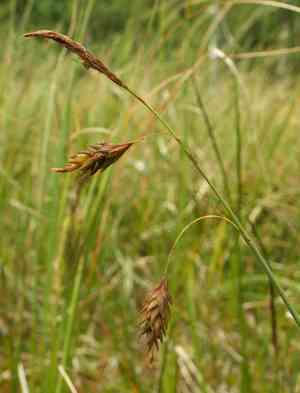
Mud sedge is a perennial plant recognized for its distinct look and growth patterns. It typically displays slender, grass-like stems and leaves, making it an appealing option for naturalizing damp areas. This plant thrives in wet environments, often found in wetlands, bogs, and marshes, reaching heights of up to 60 centimeters.
Adaptability and Durability
A key characteristic of Mud sedge is its adaptability. It can endure various environmental conditions, from full sun to partial shade. Its robust nature makes it a low-upkeep choice for gardeners aiming to incorporate sustainable plants into their landscapes.
How Does Mud Sedge Benefit the Environment?
Improving Soil Quality
The strong root system of Mud sedge plays a vital role in enhancing soil health. It stabilizes soil, preventing erosion and improving its structure. Over time, the plantâs roots aid in natural soil aeration, encouraging the growth of beneficial microorganisms.
Supporting Biodiversity
Mud sedge is crucial in supporting local biodiversity. Its presence in wetlands provides a habitat for insects, amphibians, and birds. Additionally, the plant offers shelter and sustenance for various wildlife, contributing to a balanced and flourishing ecosystem.
Why Select Mud Sedge for Garden Landscaping?
Aesthetic Appeal
Beyond its ecological advantages, Mud sedge adds significant visual value to gardens and landscapes. Its elegant, grass-like appearance offers a naturalistic look, complementing other wetland plants and creating a tranquil setting around ponds and water features.
Minimal Upkeep Requirements
Gardeners value Mud sedge for its low maintenance needs. Once established, it requires minimal care, making it an ideal choice for those seeking to create sustainable and easy-to-manage garden spaces. Its natural resistance to pests and diseases further reduces the need for chemical interventions.
How to Plant and Care for Mud Sedge?
Location Selection
To plant Mud sedge, choose a site with moist, well-drained soil. Ideally, this plant should be placed in wetland areas, alongside ponds, or in rain gardens where it can fully benefit from the damp conditions.
Planting and Maintenance Advice
When planting Mud sedge, ensure the roots are thoroughly covered with soil and water generously to help the plant establish. Mulching can assist in retaining soil moisture. Regular observation for the initial few weeks ensures the plant acclimates well to its new surroundings.
Can Mud Sedge Be Used in Wetland Restoration?
Role in Wetland Restoration
Mud sedge is frequently used in wetland restoration projects due to its ability to thrive in moist conditions and stabilize soil. Its presence helps to rebuild natural habitats, promote water filtration, and foster a diverse ecosystem.
Case Studies and Examples
Numerous wetland restoration projects have successfully incorporated Mud sedge. For instance, in many North American wetlands, this plant has been instrumental in revitalizing ecosystems and supporting wildlife, demonstrating its effectiveness and reliability.



