How to Prune Bottlebrush sedge?
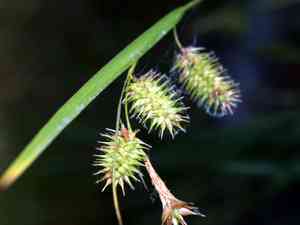
This enduring grass, recognized for its spiky, extended seed heads, needs infrequent trimming to preserve its structure. For bottlebrush sedge, trimming ought to occur in early spring or during winter to eliminate deceased leaves, making space for fresh development. Well-timed snips guarantee the clusters sustain vigor and deter self-propagation if preferred. Trimming additionally diminishes refuge for unwanted organisms, sustaining the well-being of bottlebrush sedge. Keen, sanitized cutting tools are advised for accurate incisions without harming the vegetation.
What Are the Benefits of Pruning Bottlebrush Sedge?
What Are the Benefits of Pruning Bottlebrush Sedge?
Trimming bottlebrush sedge promotes robust development and helps preserve its desired form. Consistent cutting encourages thicker leaves, ensuring bottlebrush sedge stays attractive and well-structured.
What Is the Best Time for Pruning Bottlebrush Sedge?
What Is the Best Time for Pruning Bottlebrush Sedge?
Trimming bottlebrush sedge in early spring is advantageous as the plant awakens from dormancy, reducing stress and allowing it to recover quickly from cuts before the active growth period begins. This timing also enables bottlebrush sedge to establish new growth that will define its shape for the year. Furthermore, the absence of foliage at this time offers better visibility, simplifying selective cuts. Pruning during winter can be beneficial since bottlebrush sedge is dormant, minimizing the risk of damaging new growth or active tissues. This period also helps prevent the spread of diseases that are more prevalent during warmer, wetter seasons. By removing dead or diseased material in winter, the plant's health improves, setting the stage for vigorous spring growth.
What Tools Do I Need to Prune Bottlebrush Sedge?
Hand Pruners
For snipping individual blades of bottlebrush sedge that might be damaged or brown, a sharp pair of hand pruners is most suitable. Hand pruners, also known as secateurs, enable precise cuts without harming nearby foliage.
Grass Shears
Bottlebrush sedge plants feature slender, grass-like leaves where grass shears are especially useful. They allow for accurate snips and are perfect for shaping and maintaining the neat appearance of bottlebrush sedge.
Garden Scissors
For more refined control when thinning or shaping bottlebrush sedge, garden scissors can be employed. They facilitate detailed work, particularly helpful in dense clumps of bottlebrush sedge.
How to Prune Bottlebrush Sedge
Diagnose
Examine bottlebrush sedge for any diseased or withered leaves that need trimming. Look for discoloration, spots, or signs of wilting indicating poor health or dead tissue.
Sanitize
Clean and disinfect your pruning shears before cutting bottlebrush sedge to prevent disease transmission. Use a solution of 1 part bleach to 9 parts water, or rubbing alcohol to sterilize the tools.
Trim diseased leaves
Carefully remove the diseased leaves of bottlebrush sedge by cutting at the leaf's base, where it connects to the main plant. Avoid tearing or harming adjacent healthy tissue.
Trim withered leaves
Prune withered leaves from bottlebrush sedge by snipping them at their base, similar to diseased leaves. Ensure a clean cut to encourage healthy regrowth and maintain the plant's look.
Dispose
Properly discard the removed leaves from bottlebrush sedge by placing them in a compost bin or trash. Do not leave them on the ground as they can harbor pests or diseases.
Common Pruning Mistakes with Bottlebrush Sedge
Overpruning
Removing excessive foliage from bottlebrush sedge not only diminishes its natural shape and beauty but can also stress the plant and impede its vitality.
Pruning too close
Cutting bottlebrush sedge stems too near the ground can harm the crown, potentially leading to poor growth or even plant demise.
Uneven pruning
Trimming bottlebrush sedge unevenly can result in an unnatural look and hinder the plantâs ability to produce a balanced display of foliage.
Using blunt tools
Pruning bottlebrush sedge with dull blades can cause jagged cuts that are more vulnerable to disease and pest infestation.
Ignoring dead material
Failing to remove dead or diseased foliage from bottlebrush sedge can impede new growth and may spread decay to healthier parts.
Common Pruning Tips for Bottlebrush Sedge
Sharp tools
Utilize sharp, clean pruning shears to make precise cuts on bottlebrush sedge, which helps prevent potential entry points for disease.
Prune for shape
Shape bottlebrush sedge by uniformly trimming around the plant to preserve its natural appearance and encourage denser growth.
Remove dead foliage
Regularly remove dead or yellowed foliage from bottlebrush sedge to enhance air circulation and promote healthier, more vigorous growth.
Thin out
Thin out dense clumps of bottlebrush sedge to allow light and air to reach the plant's inner parts, which can prevent rot and encourage more robust growth.
Preserve plant structure
When pruning bottlebrush sedge, maintain the integrity of the plant's natural form, avoiding deep cuts that could alter its growth pattern or reduce its foliage display.



