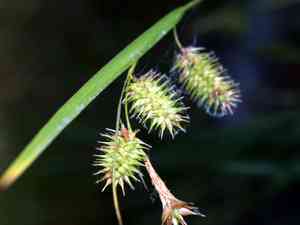
Bottlebrush sedge (Carex hystericina)
Also known as: Porcupine Sedge, Bottlebrush Sedge
Bottlebrush sedge (Carex hystericina) is a notable wetland grass that has demonstrated the ability to suppress the invasive reed canary grass (Phalaris arundinacea). However, it should be noted that under specific conditions, Carex hystericina can exhibit weedy tendencies. Despite this, it is considered a valuable pioneer species for initiating the restoration of sedge meadows.
In This Article
Attributes of Bottlebrush sedge
Lifespan
Perennial
Plant Type
Grass
Plant Height
25 cm to 1.02 m
Spread
30 cm to 60 cm
Leaf Color
Green
Flower Size
2.5 cm to 5 cm
Flower Color
Brownish-green
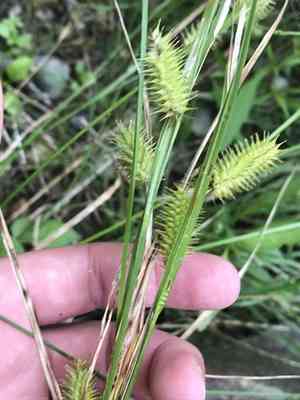
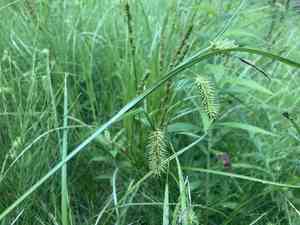
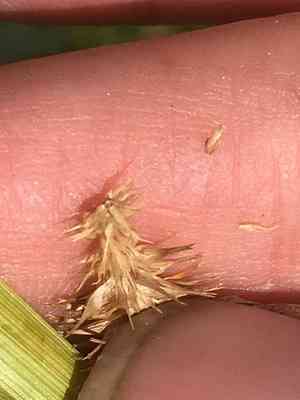
Images of Bottlebrush sedge
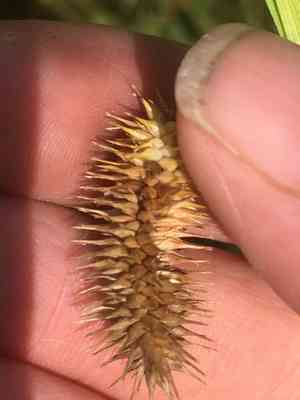
Quickly Identify Bottlebrush sedge
1
The plant can be identified by its narrow, grass-like leaves and unique cylindrical seed heads that resemble a bottlebrush. It typically grows in dense clumps, and the seed heads are spiked and bristly.
Scientific Classification of Bottlebrush sedge
Phylum
Vascular plants
Class
Monocotyledons
Order
Poales
Family
Sedge
Genus
True sedges
Species
Bottlebrush sedge
Planting and Growing of Bottlebrush sedge
Care Difficulty
Easy
Watering Schedule
Every 6 days
Sunlight Requirements
Full sun
Sunshine Duration
6-10 hours
Ideal Temperature
60-75℉
Soil Type
Potting Mix, Peat Mix
Soil pH
6.5-7.5
Fertilizer Type
Balanced
Pruning Season
Spring, Summer
Pruning Area
Branches, Leaves
Pruning Frequency
2 times a year
Repotting Season
Spring
Pot Type
Plastic, Ceramic
 How to Water Bottlebrush sedge?
For Carex hystericina, ensure the soil is consistently moist but not waterlogged. Aim for around 250 mL of water per session to maintain even moisture. The goal is to keep the soil damp to the touch without pooling water at the bottom.
What are the symptoms of an underwatered Bottlebrush sedge?
›
What should I do if my Bottlebrush sedge is not getting enough water?
›
What are the symptoms of an overwatered Bottlebrush sedge?
›
How to save an overwatered Bottlebrush sedge?
›
 What Are the Sunlight Requirements for Bottlebrush sedge?
Carex hystericina thrives best with a mix of full and partial sun, promoting healthy, vigorous growth, vibrant foliage, and improved resistance against environmental stressors.
More About Sunlight Requirements Techniques→
What is the best location for Carex hystericina?
›
How can I ensure Carex hystericina receives ideal lighting?
›
What benefits does ideal lighting provide to Carex hystericina?
›
 What Is the Ideal Temperature Range for Bottlebrush sedge?
The ideal temperature range for Carex hystericina is between 60°F and 75°F. This range allows for optimal growth and ensures the plant can carry out photosynthesis effectively, ensuring healthy foliage and root system development. Maintaining this temperature range is crucial for the prevention of any temperature-related stress, thus promoting robust plant health.
 What Soil is Best for Bottlebrush sedge?
Carex hystericina thrives in well-drained soil, which prevents waterlogging and root rot. Well-drained soils ensure that the plant's roots receive adequate oxygen and nutrients, promoting healthy growth and vitality. This plant prefers consistently moist soil, which mimics its natural wetland habitat. Consistent moisture availability supports the plant's lush growth and helps it maintain its vibrant, green foliage. Nutrient-rich soils provide essential minerals and nutrients that facilitate robust growth and development in Carex hystericina. A fertile substrate supports vigorous tillering and optimal plant health.
 How to Fertilize Bottlebrush sedge?
Carex hystericina benefits from moderate fertilizer application. Use a balanced, water-soluble fertilizer at half the recommended strength. Avoid over-fertilization to prevent nutrient burn. A small, measured amount of dosage encourages healthy growth.
 How to Prune Bottlebrush sedge?
Before you start pruning, take a look at the overall health of the Carex hystericina. If the plant appears too stressed or weak, it might be best to postpone heavy pruning until the plant has regained its strength. Avoid pruning your Carex hystericina during extremely hot or cold weather. Pruning during cooler parts of the day in milder temperatures will minimize stress and promote healthier regrowth. After pruning, monitor the plant regularly for any signs of pests or diseases. Fast intervention can prevent minor issues from becoming major problems, ensuring robust growth and health of your Carex hystericina.
More About Pruning Techniques→
 How to Propagate Bottlebrush sedge plant?
1
Harvest the seeds from mature Carex hystericina plants once the seed heads turn brown and begin to dry. Store the seeds in a cool, dry place until you are ready to plant them.
2
For seed propagation, prepare a well-draining soil mix and fill the seed trays. Ensure the soil is moist but not waterlogged for optimal seed germination.
3
For division propagation, use a garden spade to dig around the base of a mature Carex hystericina clump. Gently separate the plant into sections, ensuring each section has a healthy root system.
 How to Repot Bottlebrush sedge plant?
1
Look for signs such as overcrowded roots, slow growth, or reduced water absorption. These signals indicate it's time to give your Carex hystericina a fresh start with more room and nutrients.
2
Select a pot that is 1-2 inches larger in diameter than the current one. This prevents overwatering and allows for moderate root expansion, which helps in maintaining the plant's health.
3
Opt for a soil mix that retains moisture without waterlogging. A mix of peat moss, perlite, and garden soil works well, ensuring proper drainage and aeration for healthy root growth.



