How to Prune Shortbeak sedge?
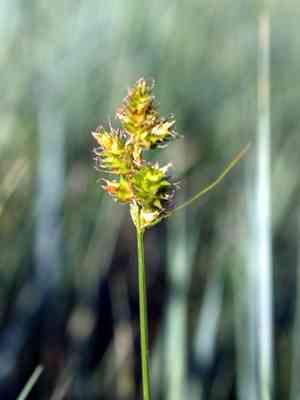
Distinguished by its compact, beak-shaped seed structures, shortbeak sedge flourishes with regular trimming. The most opportune time for pruning is in early spring or during the winter months, as this practice boosts its development and preserves its form. Eliminate any deceased or excessively grown leaves to avert congestion. This action not only encourages more robust, thicker growth but also aids in managing its expansion within garden settings, guaranteeing that shortbeak sedge stays lively and controllable.
What Are the Benefits of Pruning Shortbeak Sedge?
What Are the Benefits of Pruning Shortbeak Sedge?
Trimming shortbeak sedge promotes robust development and maintains its form, enhancing its visual appeal while ensuring peak health and density.
What Is the Best Time for Pruning Shortbeak Sedge?
What Is the Best Time for Pruning Shortbeak Sedge?
Pruning shortbeak sedge during early spring or winter is optimal due to its dormant state in these periods. In early spring, before new growth emerges, trimming can stimulate vigorous development as temperatures rise. During winter, the plant's active growth ceases, making it a safe time to cut without harming its vitality. These seasons prevent stress on shortbeak sedge, ensuring it retains health and vigor for upcoming growth cycles.
What Tools Do I Need to Prune Shortbeak Sedge?
Hand shears
These are perfect for precise cutting and shaping of shortbeak sedge, allowing careful trimming without harming the delicate grass blades.
Grass clippers
Useful for refining and tidying the edges of shortbeak sedge, especially near borders and pathways where exactness is crucial.
Sharp scissors
Effective for detailed work on shortbeak sedge, particularly when dealing with smaller or hard-to-reach areas, ensuring a neat look.
How to Prune Shortbeak Sedge
Identify
Locate and mark the diseased and withered leaves on shortbeak sedge. Carefully examine the foliage to differentiate healthy, vibrant leaves from those that are discolored, damaged, or dry.
Prepare
Get the necessary tools ready for pruning shortbeak sedge. Use sharp, clean shears or scissors to ensure clean cuts and prevent disease spread. Disinfect tools before and after use.
Trim
Cut off the diseased and withered leaves at their base, close to the ground. Make clean cuts and avoid tearing, which can cause additional stress to shortbeak sedge.
Dispose
Promptly discard the removed leaves to prevent any disease from spreading in the garden. Do not compost diseased material as it might contaminate the compost.
Inspect
Regularly check shortbeak sedge after pruning to ensure it remains healthy and free from further disease. Monitor new growth, which should be vibrant and healthy.
Common Pruning Mistakes with Shortbeak Sedge
Over-pruning
Removing too much foliage from shortbeak sedge can severely stress the plant, hindering its ability to photosynthesize effectively and ultimately impacting its health and vigor.
Improper technique
Using dull or unsanitized tools can cause jagged and infected cuts that can damage shortbeak sedge and invite disease. Clean cuts are vital for the plant's health.
Pruning at the wrong angle
Cutting shortbeak sedge too close to the crown or too far above the crown can impede new growth and potentially lead to pest infestations or rot.
Common Pruning Tips for Shortbeak Sedge
Sanitization
Before pruning shortbeak sedge, always sanitize your pruning tools. This can be done using bleach or alcohol solutions to prevent the spread of pathogens.
Correct technique
Make cuts at a slight angle a few millimeters above the plant's crown. This technique encourages healthy regrowth and helps water runoff away from the cut, reducing disease risk.
Conservational cutting
When pruning shortbeak sedge, aim to remove only dead or dying tissue initially, especially if you are new to pruning this species. This minimizes stress on the plant and helps maintain its natural shape.



