How to Propagate Shortbeak sedge?
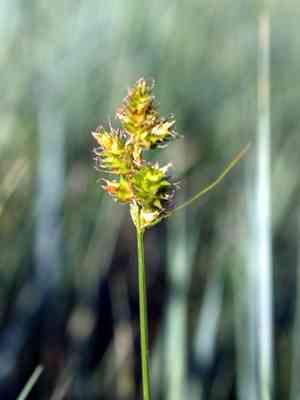
Shortbeak sedge thrives in adequately drained soil with average humidity. A simple method for multiplying this plant is through separation, typically most effective in the initial part of spring. Gently divide the clusters, making sure every new segment possesses roots. Immediately replant in suitable spots, preserving the initial planting depth. Consistent irrigation and limited nutrient application after division will foster vigorous development.
Optimal Time for Shortbeak Sedge Propagation
Propagation Method
Division
Propagation Period
Spring,Autumn
Tools for Shortbeak Sedge Propagation
Garden Spade
A robust garden spade is vital for dividing shortbeak sedge. It's used to carefully dig around the plant, allowing the root ball to be removed without excessive harm. Its sharp, flat blade is perfect for cutting through soil and can cleanly sever thicker roots if needed, which is beneficial for shortbeak sedge's dense root system.
Root Pruning Shears
Specialized root pruning shears facilitate clean cuts through shortbeak sedge roots during division. Precise cuts are essential for encouraging healthy regrowth and minimizing plant stress. These shears should be sharp and resistant to soil and moisture to prevent rust, ensuring durability and effectiveness.
Transplanting Trowel
A transplanting trowel is employed for lifting and relocating shortbeak sedge divisions to new spots. Its narrow blade offers greater control during replanting, simplifying the handling of root balls with minimal disruption to the plant and surrounding earth. The ergonomic handle provides comfort and a better grip, aiding efficient handling during propagation.
Watering Can with a Fine Rose
After propagating shortbeak sedge, it's crucial to ensure new plantings receive adequate water to help them establish. A watering can with a fine rose attachment delivers a gentle spray that won't disturb the soil or newly planted divisions. This tool helps maintain soil moisture levels, critical for shortbeak sedge's root development.
Rooting Hormone Powder
Applying rooting hormone powder to the freshly cut surfaces of shortbeak sedge roots can significantly boost root development. This product stimulates root growth, increases division success rates, and aids in quicker plant establishment. The hormone should be used as per manufacturer instructions for best results.
How to Propagate Shortbeak Sedge?
Propagation Type
Easy
Caring for Newly Propagated Shortbeak Sedge
Caring for Newly Propagated Shortbeak Sedge
After propagation, it's vital to maintain consistent moisture for shortbeak sedge, especially during its initial growing season. Mulching around the base helps retain soil moisture and suppress weeds. Avoid high-nitrogen fertilizers; a balanced, slow-release type is preferred. Monitor for pests or diseases and manage them as needed. Allow shortbeak sedge to establish and spread naturally, which also helps stabilize the soil in its growing area.
Common Propagation Mistakes for Shortbeak Sedge
Overwatering
Excessive watering can lead to root rot, which is detrimental to shortbeak sedge's overall health and growth. Ensuring proper drainage is crucial to prevent waterlogged soil conditions.
Incorrect Soil Choice
Using soil that doesn't mimic shortbeak sedge's natural environment can impede its growth. Shortbeak sedge prefers moist, well-draining soil, and unsuitable soil can result in poor root development.
Neglecting Light Requirements
Insufficient light can hinder shortbeak sedge's growth and prevent it from thriving. Providing the appropriate light conditions specific to shortbeak sedge's needs is critical.
Improper Spacing
Crowding shortbeak sedge can lead to competition for nutrients, light, and water, weakening the plants and reducing propagation success.
Ignoring Pests and Diseases
Failing to monitor and treat pests and diseases can compromise shortbeak sedge's health, limiting its ability to propagate effectively.
Tips for Propagating Shortbeak Sedge
Ensure Adequate Drainage
Use pots with drainage holes or add gravel to the bottom of planting beds to prevent water from accumulating.
Match Soil to Natural Habitat
Utilize a soil mix that replicates shortbeak sedge's natural moist, well-draining environment to support healthy root growth.
Provide Appropriate Light
Position shortbeak sedge in an area where it receives the correct amount of sunlight or partial shade as required. Adjust lighting conditions to optimize growth.
Maintain Proper Spacing
Space out plants to ensure they have sufficient room for root expansion and access to resources. Proper spacing reduces competition and enhances overall development.
Regular Pest and Disease Monitoring
Regularly inspect shortbeak sedge for signs of pests or diseases. Promptly address any issues with appropriate treatments to maintain plant health.



