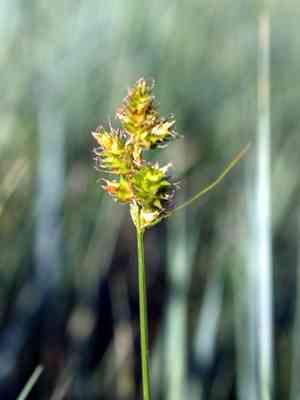
Shortbeak sedge (Carex brevior)
Also known as: Shorter Sedge
Carex brevior forms dense clumps with short rhizomes, sometimes giving a slightly elongated appearance. The flowering culms typically stand between 15 and 120 cm tall and bear 3 to 5 leaves each. Vegetative culms are sparse and do not display the prominent 3-ranked arrangement seen in some other sedges. The leaf sheaths are white, papery, and feature a ligule that measures between 2 and 3.5 mm in length.
In This Article
Attributes of Shortbeak sedge
Lifespan
Perennial
Plant Type
Grass
Plant Height
30 cm to 1.02 m
Spread
Not applicable for sedges
Leaf Color
Green
Flower Size
Small, not typically measured
Flower Color
Green to brown
Images of Shortbeak sedge
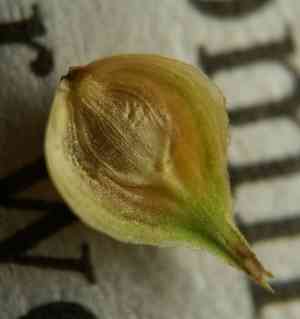
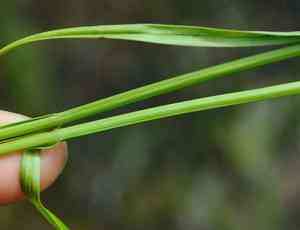
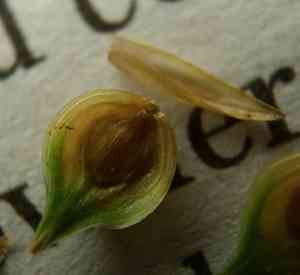
Quickly Identify Shortbeak sedge
1
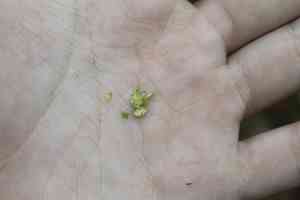
Carex brevior can be identified by its tufted growth habit, narrow leaves, and distinctive, rounded seed heads.
Scientific Classification of Shortbeak sedge
Phylum
Vascular plants
Class
Monocotyledons
Order
Poales
Family
Sedge
Genus
True sedges
Species
Shortbeak sedge
Planting and Growing of Shortbeak sedge
Care Difficulty
Easy
Watering Schedule
Every 3 days
Sunlight Requirements
Partial sun
Sunshine Duration
6-10 hours
Ideal Temperature
60-75℉
Soil Type
Potting Mix, Peat Mix
Soil pH
6.5-7.5
Fertilizer Type
Balanced
Pruning Season
Spring, Summer
Pruning Area
Branches, Leaves
Pruning Frequency
2 times a year
Repotting Season
Spring
Pot Type
Ceramic, Plastic
 How to Water Shortbeak sedge?
For Carex brevior, it's essential to keep the soil consistently moist, but not waterlogged. You should aim to soak the soil until water drains from the bottom of the pot or soil surface. Providing around 250ml per watering session ensures that moisture reaches the roots effectively.
What are the symptoms of an underwatered Shortbeak sedge?
›
What should I do if my Shortbeak sedge is not getting enough water?
›
What are the symptoms of an overwatered Shortbeak sedge?
›
How to save an overwatered Shortbeak sedge?
›
 What Are the Sunlight Requirements for Shortbeak sedge?
Partial sun is the ideal light condition for Carex brevior. It benefits from 4 to 6 hours of sunlight, which helps maintain strong growth and lush foliage, balancing light needs and minimizing stress.
How can Carex brevior achieve ideal lighting?
›
Why is proper lighting important?
›
What happens if it receives the right lighting?
›
 What Is the Ideal Temperature Range for Shortbeak sedge?
The ideal temperature range for Carex brevior is between 60°F and 75°F. This range allows the plant to thrive and ensures optimal growth and development. Within this temperature range, the physiological processes of the plant function efficiently, promoting robust foliage and a healthy root system.
 What Soil is Best for Shortbeak sedge?
Carex brevior thrives in well-drained soils that prevent water-logging and root rot. These conditions allow the roots to access oxygen effectively, promoting healthy growth and lush foliage. While drainage is crucial, the soil should also retain some moisture. This balance ensures that the plant receives consistent hydration, which is especially beneficial during dry periods. A nutrient-rich soil supports the vigorous growth of Carex brevior. Organic matter or compost can be added to enhance soil fertility, resulting in robust and green foliage.
 How to Fertilize Shortbeak sedge?
When fertilizing Carex brevior, use a balanced, diluted fertilizer mix. For liquid fertilizers, a dilution to half strength is recommended, ensuring gentle nourishment without overwhelming the plant. Solid fertilizers, on the other hand, should be used in smaller pinches, approximately one frost-free tablespoon per application. This ensures the roots receive nutrients without risk of excess accumulation.
 How to Prune Shortbeak sedge?
Start by removing any dead or damaged leaves, which can often harbor disease. Use sharp, clean scissors to snip away these parts at the base, ensuring not to damage the surrounding healthy foliage. Carex brevior naturally forms a neat clump, but light trimming along the edges can help maintain its shape and prevent it from spreading uncontrollably. Cut back to the desired size, taking care to follow the natural contour of the plant. Once a year, ideally in early spring, consider more aggressive pruning by cutting the plant down to half its height. This will rejuvenate the plant, encouraging lush new growth and a burst of healthy leaves.
More About Pruning Techniques→
 How to Propagate Shortbeak sedge plant?
1
Begin by filling seed trays with a well-draining potting mix. Sow the seeds evenly and cover them lightly with soil. Keep the soil consistently moist until germination occurs.
2
Using a sharp spade, divide the plant into sections during the spring or early summer. Each section should have a healthy root system. Replant immediately in prepared soil.
3
Ensure that divided sections are planted at the same depth they were growing previously. This promotes stability and supports healthy growth in their new location.
 How to Repot Shortbeak sedge plant?
1
Repotting Carex brevior is usually needed when you notice its roots protruding from the drainage holes, indicating that it has outgrown the current pot. You should also consider repotting if the plant shows signs of poor health due to depleted soil nutrients, such as yellowing leaves or stunted growth.
2
Selecting the right pot for Carex brevior is crucial. Opt for a pot that is just one size larger than the current one to prevent excessive water retention. Good drainage is critical, so choose a container with several drainage holes. This will help prevent root rot by ensuring excess water flows out easily.
3
Carex brevior prefers a well-draining soil mix that can retain some moisture without becoming waterlogged. A mixture of peat, perlite, and standard potting soil works well. This combination provides necessary aeration and retains moisture, which helps sustain plant health during and after repotting.



