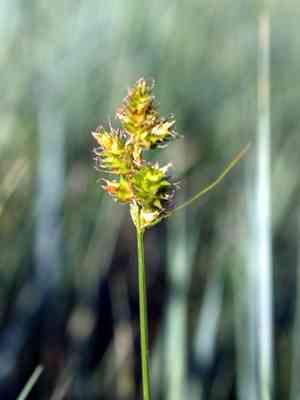
The Shortbeak sedge Plant Advantage: Maximizing Home and Office Appeal and Wellness
1
Flourishes in a range of environmental settings, making it adaptable for different terrains.
2
Offers superior erosion prevention, aiding in soil stabilization.
3
Benefits native fauna by supplying refuge and sustenance.
Why Select Shortbeak Sedge for Your Outdoor Space?
Adaptable Growth in Various Environments
Shortbeak sedge thrives across a range of conditions, from arid fields to damp marshlands. This flexibility makes it ideal for diverse landscaping needs, ensuring success in different soil types and climates. By incorporating Shortbeak sedge, you gain a resilient, low-maintenance plant that boosts your area's visual appeal.
Erosion Prevention and Ground Stabilization
A key advantage of Shortbeak sedge is its capacity to prevent erosion and stabilize soil. Its dense root system effectively stops soil movement, making it perfect for erosion-prone spots like riverbanks and slopes. Planting Shortbeak sedge aids in soil conservation, reducing loss and fostering healthier landscapes. Its root network also improves soil structure and fertility, supporting other plant growth.
Ecological Advantages of Shortbeak Sedge
Supporting Local Fauna
Shortbeak sedge is vital for local wildlife, providing both refuge and sustenance. Various birds, insects, and small mammals depend on it for habitat and food. Including Shortbeak sedge in your garden or landscape creates a mini-ecosystem that promotes biodiversity. This not only enriches your outdoor area but also helps conserve native wildlife, fostering ecological balance.
Improving Water Purity
Beyond its physical benefits, Shortbeak sedge also enhances water quality. It functions as a natural filter, capturing and breaking down pollutants from runoff before they reach water bodies. This filtration process helps lessen water pollution, safeguarding aquatic ecosystems and ensuring cleaner water for wildlife and human communities. Planting Shortbeak sedge in areas prone to runoff, such as near streams and ponds, can significantly boost water quality and overall environmental health.
Integrating Shortbeak Sedge into Your Landscaping Projects
Optimal Planting Locations
Knowing the best places to plant Shortbeak sedge is crucial for maximizing its benefits. It can be placed in garden beds, along paths, or in constructed wetlands. Its adaptability allows it to flourish in full sun to partial shade, offering options for various planting designs. Consider using Shortbeak sedge where soil stabilization or erosion control is needed, and in pollinator-friendly gardens to attract beneficial insects.
Caring for Shortbeak Sedge
Maintaining Shortbeak sedge is simple, making it suitable for both experienced and novice gardeners. Consistent watering during establishment is key, but once settled, it's quite drought-tolerant. Occasional trimming might be needed to manage growth and maintain its look. Fertilization is usually minimal, as Shortbeak sedge thrives in diverse soil conditions. Following these basic care practices ensures your Shortbeak sedge remains a healthy, vibrant part of your landscape.
What Are the Visual Benefits of Shortbeak Sedge?
Enhancing Garden Aesthetics
Shortbeak sedge offers unique visual appeal with its distinct foliage and growth habit. Its fine texture and graceful form add depth and interest to garden designs. Whether used as ground cover, in mixed borders, or as an accent, Shortbeak sedge blends seamlessly with other garden elements, creating harmonious and attractive landscapes. Its design versatility suits both formal and naturalistic garden styles.
Seasonal Allure and Visual Interest
Throughout the growing season, Shortbeak sedge provides seasonal appeal with its changing foliage colors and textures. In spring and summer, its bright green leaves offer a fresh, lively look. As autumn nears, the foliage may shift to yellow or brown, adding a touch of fall charm. These visual changes ensure Shortbeak sedge remains an engaging garden element year-round. Combining it with other seasonal plants can further enhance your outdoor space's dynamic visual appeal.



