How to Prune Constance's bittercress?
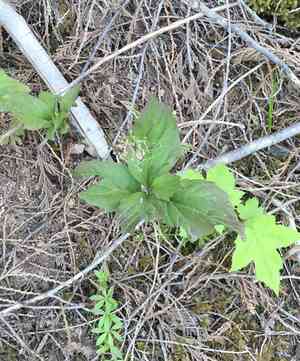
Characterized by its intricate, deeply lobed foliage and groupings of white blossoms, constance's bittercress flourishes with judicious trimming. The most effective periods for pruning are late winter or early spring, prior to the emergence of new shoots. Cut away any deceased or compromised stalks to foster vigorous development and improve air circulation. Consistent pruning aids in averting excessive density and encourages a more prolific blooming period. This method guarantees strong growth and may potentially prolong the plant's existence.
What Are the Benefits of Pruning Constance's Bittercress?
What Are the Benefits of Pruning Constance's Bittercress?
Pruning Constance's bittercress encourages robust development and helps maintain its form, improving its overall look and vitality. Regular trimming also enhances air circulation, lowering the risk of pests and illnesses.
What Is the Best Time for Pruning Constance's Bittercress?
What Is the Best Time for Pruning Constance's Bittercress?
Trimming constance's bittercress in early spring or late winter aligns with its natural growth pattern, minimizing stress on the plant. During these periods, constance's bittercress is typically dormant or just starting to emerge, reducing damage risk and promoting healthy new growth. Additionally, pruning before the active growing season allows for optimal shaping and encourages a more robust flowering or fruiting period, enhancing the plant's overall health and appearance.
What Tools Do I Need to Prune Constance's Bittercress?
Hand Pruners
Essential for precise cuts on small branches and maintaining plant shape. Ideal for constance's bittercress's delicate stems.
Sharp Scissors
Perfect for detailed trimming and deadheading. They help in avoiding damage to constance's bittercress's tender foliage.
Bypass Pruners
Useful for slightly thicker stems while ensuring clean cuts without crushing. They are gentle on constance's bittercress's structures.
Sanitizing Solution
Crucial for disinfecting tools between cuts to prevent disease. This helps maintain constance's bittercress's health and vigor.
How to Prune Constance's Bittercress
Inspection
Examine constance's bittercress closely for any signs of diseased or withered leaves. Diseased leaves may show discoloration, spots, or other visible symptoms.
Sterilize Tools
Before beginning to prune, sterilize your cutting tools using rubbing alcohol or a bleach solution to prevent the spread of disease.
Remove Diseased Leaves
Carefully trim away any diseased leaves at their base, making clean cuts. Dispose of these leaves away from your garden to avoid contamination.
Remove Withered Leaves
Identify any withered or dead leaves and remove them in a similar manner to the diseased leaves. Ensure clean cuts to promote healthy growth.
Review Cut Sites
After pruning, review all cut sites for any signs of residual disease and ensure clean, precise cuts were made. Apply a suitable fungicide if needed to prevent further issues.
Common Pruning Mistakes with Constance's Bittercress
Improper technique
Novice and experienced gardeners alike may sometimes use improper tools or techniques, like using dull or dirty pruning shears, which can damage the plant.
Over-pruning
Removing too much of the plant at once can weaken it and lead to stunted growth or even plant death.
Wrong timing
Pruning at the incorrect times (excluding seasonal timing) can interrupt the plant's natural growth cycle and flowering process.
Ignoring the plantâs structure
Failing to consider the natural shape and growth habits of constance's bittercress can result in an unattractive plant form and reduced health.
Common Pruning Tips for Constance's Bittercress
Use the right tools
Ensure you are using clean, sharp pruning shears to make precise cuts without damaging the plant.
Prune gradually
Trim the plant gradually, removing only small amounts at a time to avoid stressing constance's bittercress. This approach helps in monitoring the plantâs response to pruning.
Focus on dead or diseased parts
Start by removing any dead, diseased, or damaged parts of constance's bittercress to promote overall health and prevent the spread of disease.
Maintain natural shape
Always try to preserve the natural shape and growth pattern of constance's bittercress by making thoughtful cuts just above a bud or a leaf node.
Sanitation
Clean your pruning tools before and after use to prevent the spread of pathogens. This practice is especially important when dealing with multiple plants.



