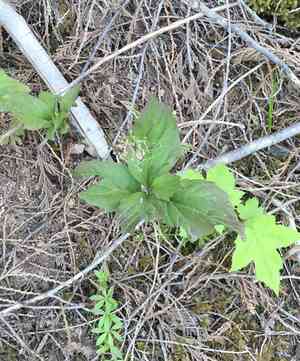
Constance's bittercress (Cardamine constancei)
Also known as: Constance's Bittercress
Constance's bittercress is a perennial plant that flourishes in damp, shaded areas like stream banks, wet meadows, and forested wetlands. This species displays small, white or pale pink flowers on thin stems, each flower comprising four petals. Its pinnate leaves form a rosette, adding to its graceful appearance. Known for its subtle beauty, Constance's bittercress prospers in the protective shade of tree canopies and is relatively rare.
In This Article
Attributes of Constance's bittercress
Lifespan
Perennial
Plant Type
Herb
Plant Height
0.2 to 0.5 meters
Spread
Typically not applicable as it is a herbaceous plant.
Leaf Color
Green
Flower Size
Approximately 1 cm
Flower Color
White
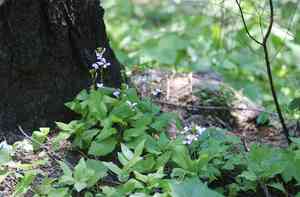
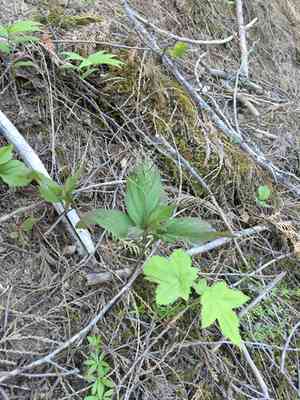
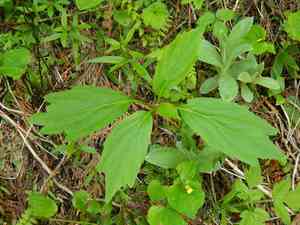
Images of Constance's bittercress
Quickly Identify Constance's bittercress
1
It can be identified by its pinnate leaves with several pairs of leaflets and small white flowers. Typically found in moist and shaded areas.
Scientific Classification of Constance's bittercress
Phylum
Vascular plants
Class
Dicotyledons
Order
Brassicales
Family
Cruciferae
Genus
Bittercresses
Species
Constance's bittercress
Planting and Growing of Constance's bittercress
Care Difficulty
Moderate
Watering Schedule
Every 2 days
Sunlight Requirements
Partial sun
Sunshine Duration
6-10 hours
Ideal Temperature
60-75℉
Soil Type
Potting Mix, Peat Mix
Soil pH
6.5-7.5
Fertilizer Type
Balanced
Pruning Season
Spring, Summer
Pruning Area
Branches, Leaves
Pruning Frequency
2 times a year
Repotting Season
Spring
Pot Type
Plastic, Ceramic
 How to Water Constance's bittercress?
When watering Cardamine constancei, provide about 150 ml of water per session. This ensures the soil remains moist but not waterlogged. Aim for even moisture throughout the soil, penetrating deep to the roots without excess pooling.
What are the symptoms of an underwatered Constance's bittercress?
›
What should I do if my Constance's bittercress is not getting enough water?
›
What are the symptoms of an overwatered Constance's bittercress?
›
How to save an overwatered Constance's bittercress?
›
 What Are the Sunlight Requirements for Constance's bittercress?
Cardamine constancei prefers partial sun, ideally four to six hours of filtered light daily. This lighting maintains robust foliage and supports flowering.
What is the best way to provide light?
›
How can I ensure optimal light levels throughout the day?
›
What benefits will this ideal lighting provide?
›
 What Is the Ideal Temperature Range for Constance's bittercress?
Cardamine constancei thrives best within an optimal temperature range of 60°F to 75°F. Within this range, the plant's physiological processes such as photosynthesis, respiration, and water uptake are balanced, promoting robust growth and healthy development. Ensuring the environment remains within these temperatures minimizes stress, preventing potential damage or stunted growth.
 What Soil is Best for Constance's bittercress?
Cardamine constancei thrives in well-drained soil, which prevents root rot by allowing excess water to flow away. This condition ensures healthy root growth and optimal nutrient absorption. While the soil should be well-draining, it must also retain some moisture for steady growth. This balance aids in keeping the plant hydrated and supports its lush foliage. A soil rich in organic matter and nutrients provides the ideal foundation for Cardamine constancei. These nutrients promote vigorous growth and vibrant flowering, enhancing the plant’s ornamental appeal.
 How to Fertilize Constance's bittercress?
For Cardamine constancei, a moderate amount of fertilizer is required. Use half-strength liquid fertilizer during its growing season and ensure not to over-fertilize, as this can harm the plant. A diluted concentration of nutrients helps the plant establish a robust root system without overwhelming it.
 How to Prune Constance's bittercress?
Begin by sterilizing your pruning tools to prevent disease spread. Trim back any dead or damaged leaves, cutting just above a node to stimulate new growth. Focus on removing crossing or congested stems to maintain the plant's shape and airflow.
More About Pruning Techniques→
 How to Propagate Constance's bittercress plant?
1
Select healthy stems and use pruning shears to cut 4-6 inch segments. Ensure each segment has several nodes as roots typically shoot from these points. Remove leaves from the bottom half to reduce water loss.
2
Prepare a well-draining, loose potting mix. A blend of perlite and peat moss can work effectively. Ensure the soil is moist but not overly wet to provide optimal conditions for root growth.
3
Insert the cuttings into the soil, ensuring that at least one node is buried. Firm the soil around them to provide support and eliminate air pockets which can impede root development.
 How to Repot Constance's bittercress plant?
1
Cardamine constancei signals its need for repotting by exhibiting slower growth, roots emerging from drainage holes, or a noticeable decline in soil quality. Early spring or autumn is the ideal time, allowing the plant ample opportunity for recovery and growth.
2
Select a potting container that is 1-2 inches larger in diameter than the current one. Opt for a pot with ample drainage holes, preferably made of breathable material like terracotta, ensuring the roots have enough space and oxygen to thrive.
3
The ideal soil should be a well-draining mix that retains moisture but does not become waterlogged. A mix containing compost, sand, and a bit of loam provides the necessary nutrients while supporting delicate roots.
Learn More About Constance's bittercress Diseases
Anthracnose
Bacterial Leaf Spot
Bacterial Soft Rot
Clubroot
Crown Gall
Cyst Nematode
Damping-off
Downy Mildew
Drought Stress
Fusarium Wilt
Gray Mold
Leaf Curl
Leaf Spot
Mosaic
Nutrient Deficiency
Nutrient Toxicity
Powdery Mildew
Root Rot
Root-knot Nematode
Rusts
Sooty Mold
Spider Mites
Temperature Stress
Thrips Damage
White Mold



