How to Propagate Constance's bittercress?
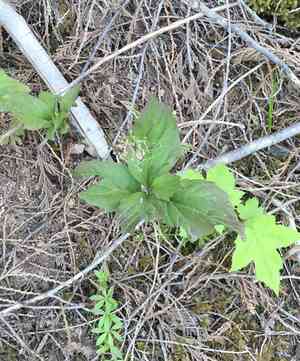
Cardamine constancei, a species within the Brassicaceae family, flourishes in moist, shaded conditions. For reproduction, disperse seeds directly into adequately draining substrate, maintaining continuous hydration. Select a location with filtered sunlight to replicate its native surroundings. Employ a delicate spray to prevent dislodging the soil. Young plants are ready for relocation once they are robust. Consistent observation for infestations and guaranteeing appropriate humidity levels are vital for effective propagation.
Optimal Time for Propagating Constance's Bittercress
Propagation Method
Seeding
Propagation Period
Spring
Tools for Constance's Bittercress Propagation
Seed Tray
A seed tray is vital for offering a controlled setting for constance's bittercress seeds to sprout. It helps keep seeds organized and ensures uniform moisture distribution in the soil.
Fine Sieve
Employing a fine sieve aids in creating a finely textured growing medium, which is crucial for the delicate seeds of constance's bittercress to achieve good soil contact and ensure proper germination.
Seed Compost
Specialized seed compost delivers the essential nutrients and the appropriate soil texture required for constance's bittercress seeds to sprout and develop into robust seedlings.
Spray Bottle
A spray bottle is utilized to maintain consistent moisture levels in the seed tray without disturbing the fragile seeds, which is critical for the successful germination of constance's bittercress.
Clear Propagation Lid
A clear propagation lid assists in retaining humidity and moisture within the seed tray, creating an ideal microenvironment for constance's bittercress germination.
Heating Mat
A heating mat can be employed to maintain optimal soil temperature, ensuring quicker and more even germination of constance's bittercress seeds, especially in cooler climates.
Seed Labeling Stakes
Labeling stakes are necessary to track different seed varieties and sowing dates, ensuring that constance's bittercress seedlings are correctly identified and timed for optimal growth stages.
How to Propagate Constance's Bittercress?
Propagation Type
Simple
Caring for Your Newly Propagated Constance's Bittercress
Caring for Your Newly Propagated Constance's Bittercress?
After propagation, ensure constance's bittercress receives consistent watering to maintain soil moisture, while avoiding waterlogged conditions. Provide partial shade to mimic their natural woodland habitat. Regularly check for pests and ensure good air circulation to prevent fungal infections. Once established, constance's bittercress requires minimal fertilization, usually benefiting from a light compost mulch annually.
Common Mistakes to Avoid When Propagating Constance's Bittercress
Overwatering
Excessive watering leads to root rot and fungal infections, impeding plant development.
Incorrect Soil Mixture
Using heavy or poorly draining soil suffocates the roots, reducing aeration and increasing the risk of root diseases.
Improper Light Levels
Providing too little or too much light can hinder growth and stress the plant, affecting its health and propagation success.
Neglecting Sanitation
Failing to sterilize tools and containers can introduce diseases and pests, which can severely impact the plant's establishment.
Tips For Propagating Constance's Bittercress
Use Well-Draining Soil
Choose a light, well-draining soil mix to ensure proper aeration and prevent root rot.
Moderate Watering
Maintain consistent moisture without overwatering to support healthy root development.
Provide Filtered Light
Place constance's bittercress in a location with filtered or indirect light to avoid stress from direct sunlight while ensuring adequate light exposure.
Sterilize Tools
Regularly clean and sterilize propagation tools and containers to prevent disease transmission and keep constance's bittercress healthy.



