How to Prune Giant mountain aster?
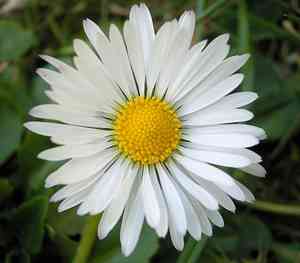
Giant mountain aster, a sturdy perennial recognized for its impressive daisy-like blossoms, flourishes with particular trimming methods. The perfect times for pruning are spring and summer, following the blooming period, to foster vigorous growth and flowering. Removing faded flowers improves aesthetics and stops unwanted seed dispersal. Trimming back the leaves in late summer encourages a neater shape. Consistent pruning not only preserves the giant mountain aster's attractive look but also encourages more robust, lively plant progression.
What Are the Benefits of Pruning Giant Mountain Aster?
What Are the Benefits of Pruning Giant Mountain Aster?
Trimming giant mountain aster encourages robust development and maintains its form, improving its overall garden appeal. Regular cutting promotes dense, rich foliage, maximizing its decorative value while keeping it manageable and thriving.
What Is the Best Time for Pruning Giant Mountain Aster?
What Is the Best Time for Pruning Giant Mountain Aster?
Pruning or trimming giant mountain aster during spring is optimal as it is the initial growth phase. This timing allows the plant to recover and fosters stronger, healthier development throughout the growing season. Summer pruning, specifically post-blooming, is advantageous for removing faded flowers and stimulating a second bloom, enhancing the overall vigor and aesthetic charm of giant mountain aster. These periods ensure giant mountain aster maintains peak health and displays its characteristic blossoms without hindering its natural growth cycle.
What Tools Do I Need to Prune Giant Mountain Aster?
Hand Pruners
Perfect for making clean cuts on the thinner, softer stems of giant mountain aster. Since giant mountain aster typically lacks very thick or woody stems, a sharp pair of hand pruners will provide precise cuts that help prevent damage to the plant tissues.
Pruning Shears
Most suitable for cutting back larger sections of soft growth or for deadheading. The scissor-like action of pruning shears allows for quick, clean cuts on giant mountain aster's stems without causing undue stress on the plant.
Garden Scissors
These are useful for more delicate, detailed tasks such as shaping or thinning out small, congested areas of giant mountain aster. Garden scissors offer greater control over each cut, which is especially beneficial for preserving the aesthetic appeal of giant mountain aster.
How to Prune Giant Mountain Aster
Identify
Locate and assess any diseased or withered leaves, as well as affected stems on giant mountain aster.
Sanitize
Disinfect your pruning tools with a solution of one part bleach to nine parts water to prevent the spread of disease during pruning.
Cut
Carefully remove diseased and withered leaves at their base, close to the main stem of giant mountain aster, using sharp, sanitized pruning shears. Ensure cuts are clean and angled to facilitate water runoff from the wounds.
Prune stems
Cut out diseased stems of giant mountain aster by trimming them back to the base. If the issue is minor and localized, cut to healthy tissue at least 2-3 inches below the affected part. Dispose of all removed materials in a sealed bag to prevent spreading pathogens.
Clean up
After pruning, clear the area around giant mountain aster to remove any fallen debris which could harbor pests or disease. Wash and re-sanitize the pruning tools.
Common Pruning Mistakes with Giant Mountain Aster
Over pruning
A frequent error is removing too much foliage from giant mountain aster, which can stress the plant and lead to reduced flowering. It's crucial to prune no more than one-third of the total growth.
Improper cutting technique
Using dull or unclean tools can damage the stems of giant mountain aster, leading to jagged cuts that heal poorly and increase susceptibility to disease.
Pruning at wrong angle
Cuts made at an incorrect angle can prevent water runoff and invite fungal infections. Always angle cuts so that water drains off the stem rather than collecting on the cut surface.
Common Pruning Tips for Giant Mountain Aster
Use sharp tools
Ensure pruning tools are sharp and clean to make precise cuts. This helps prevent damage to the tissues of giant mountain aster and promotes quicker healing.
Prune for shape
Focus on shaping giant mountain aster by removing wayward or crossed branches. This not only maintains the aesthetic appearance but also improves light penetration and air circulation within the foliage.
Thin out elapsed flowers
Removing spent flowers encourages giant mountain aster to produce new blooms and can extend the flowering period. Deadhead the flowers regularly to keep the plant looking tidy and to boost further flowering.
Cut back to strong buds
When pruning giant mountain aster, always cut back to just above a strong bud. This helps direct the growth of new branches outward rather than inward, enhancing the plant's structure and health.



