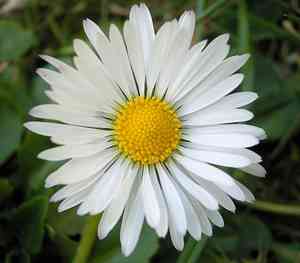
Giant mountain aster (Canadanthus modestus)
Also known as: None
Canadanthus modestus, the sole species in its genus, is found in northern North America. Its range includes regions such as Alaska, Yukon, British Columbia, Alberta, Manitoba, Saskatchewan, New Brunswick, Quebec, Ontario, Washington, Oregon, Idaho, Montana, North Dakota, South Dakota, Minnesota, Wisconsin, and Michigan.
In This Article
Attributes of Giant mountain aster
Lifespan
Perennial
Plant Type
Herb
Plant Height
30 cm to 1.2 m
Spread
40-60 cm
Leaf Color
Green
Flower Size
2-3 cm
Flower Color
Purple, pale lavender
Images of Giant mountain aster
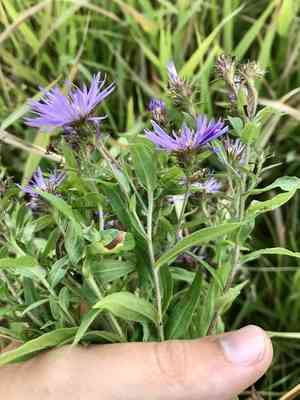
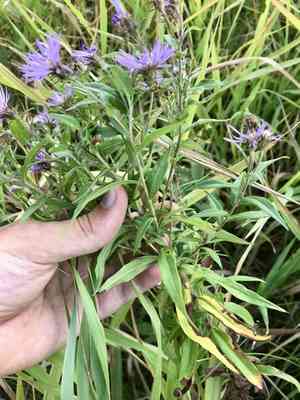
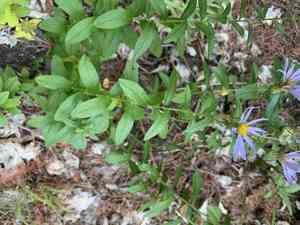
Quickly Identify Giant mountain aster
1
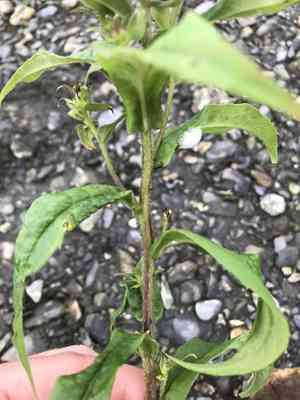
Canadanthus modestus can be identified by its tall, erect stems which are topped with clusters of purple or pale lavender flowers. The leaves are lance-shaped and alternately arranged along the stem.
Scientific Classification of Giant mountain aster
Phylum
Vascular plants
Class
Dicotyledons
Order
Asterales
Family
Daisy
Genus
Mountain aster
Species
Giant mountain aster
Planting and Growing of Giant mountain aster
Care Difficulty
Moderate
Watering Schedule
Every 2 days
Sunlight Requirements
Partial sun
Sunshine Duration
4-8 hours
Ideal Temperature
60-75℉
Soil Type
Potting Mix, Peat Mix
Soil pH
6.5-7.5
Fertilizer Type
Balanced
Pruning Season
Spring, Summer
Pruning Area
Branches, Leaves
Pruning Frequency
Once a year
Repotting Season
Spring
Pot Type
Plastic, Ceramic
 How to Water Giant mountain aster?
Canadanthus modestus is a plant that thrives in moderately moist soil. The ideal watering amount is about 150 ml per session. Ensure the water penetrates the soil deeply enough to reach the roots but avoids waterlogging. This not only keeps the soil optimally moist but also prevents root rot.
What are the symptoms of an underwatered Giant mountain aster?
›
What should I do if my Giant mountain aster is not getting enough water?
›
What are the symptoms of an overwatered Giant mountain aster?
›
How to save an overwatered Giant mountain aster?
›
 What Are the Sunlight Requirements for Giant mountain aster?
The ideal light range for Canadanthus modestus is partial sun, benefiting greatly from dappled light. This condition enables robust growth, vibrant leaf color, and prevents stress-related leaf issues.
How much sunlight does Canadanthus modestus ideally need?
›
What solutions exist to provide ideal lighting?
›
What are the benefits of ideal lighting for Canadanthus modestus?
›
 What Is the Ideal Temperature Range for Giant mountain aster?
The ideal temperature range for Canadanthus modestus is between 60°F and 75°F. This range provides optimal growing conditions by delivering the right amount of warmth without causing heat stress. Within this temperature band, the plant can photosynthesize effectively and use available nutrients for growth and development.
 What Soil is Best for Giant mountain aster?
Canadanthus modestus thrives best in well-drained soil which prevents waterlogging that could lead to root rot. This preference ensures healthy root development, boosting plant vitality and enhancing its flowering potential. The plant benefits from a nutrient-rich soil which provides essential elements for growth and flowering. This soil characteristic supports robust growth and vibrant foliage, allowing the plant to exhibit its full ornamental potential. While Canadanthus modestus requires well-drained soil, it also appreciates moderate moisture retention to sustain its growth during dry periods, ensuring a consistent supply of water and preventing drought stress.
 How to Fertilize Giant mountain aster?
For Canadanthus modestus, an ideal amount of liquid fertilizer is about 1/4 teaspoon per gallon of water. This ensures the plant receives adequate nutrition without the risk of burning the roots.
 How to Prune Giant mountain aster?
Begin by carefully examining the plant to identify any dead or diseased branches. These sections should be removed first to promote healthier growth and prevent the spread of disease. Trim back overgrown sections to maintain the desired shape and size of your Canadanthus modestus. Use sharp, clean shears to make precise cuts just above a healthy bud or node.
More About Pruning Techniques→
 How to Propagate Giant mountain aster plant?
1
Start by filling seed trays with a light and well-draining potting mix. Moisten the mix thoroughly and make shallow indentations for seed placement. Ensure even spacing between seeds for optimal growth.
2
Select healthy stems from the parent plant and cut them using clean gardening scissors. Remove lower leaves and dip the cut end in rooting hormone powder to promote root development before planting in a suitable potting mix.
3
For division, carefully dig up a mature plant and gently separate its root ball into several sections with intact roots and foliage. Replant each section promptly to reduce stress and maintain health.
 How to Repot Giant mountain aster plant?
1
One of the primary signals that Canadanthus modestus needs repotting is roots emerging from the drainage holes. Additionally, if you notice slow growth or the plant is tipping over easily, it may be time to consider repotting. The best time to tackle this task is during its growing seasons, specifically in spring or early summer, when the plant can adapt more readily to a new pot.
2
Selecting the right pot for Canadanthus modestus is crucial for its health. Opt for a pot with a diameter 2-3 inches larger than the current one, providing ample space for root growth. Ensure it has proper drainage holes to prevent waterlogging. A terracotta pot could be beneficial as it allows moisture evaporation, reducing the risk of root rot. This careful selection helps ensure your plant thrives, providing a stable and nurturing environment.
3
Choosing the appropriate soil is key when repotting Canadanthus modestus. A well-draining soil mix, preferably cactus or succulent mix, is ideal to ensure proper aeration and to prevent water accumulation. Incorporating perlite or sand will enhance drainage capabilities. Using the right soil mix reduces the risk of root diseases and helps maintain stability, allowing the plant to flourish in its new pot.
Learn More About Giant mountain aster Diseases
Anthracnose
Bacterial Leaf Spot
Bacterial Soft Rot
Bacterial Wilt
Black Spot
Chemical Injury
Crown Gall
Cyst Nematode
Damping-off
Downy Mildew
Drought Stress
Fusarium Wilt
Gray Mold
Leaf Curl
Leaf Spot
Mosaic
Nutrient Deficiency
Nutrient Toxicity
Powdery Mildew
Root Rot
Root-knot Nematode
Rusts
Sooty Mold
Spider Mites
Temperature Stress
Thrips Damage
White Mold



